When Is the Right Time to Get Skin Tightening Procedures?
Introduction
After reducing fat and losing weight, reduced skin elasticity may be observed in certain areas of the body, especially around treated areas. This is a common and natural occurrence. Fortunately, keeping the body sculpted well is easy after reaching the ideal weight. In the Philippines, one such method is undergoing a skin tightening procedure. Offered by slimming and wellness clinics, this method helps stimulate collagen and elastin production, which then enhances the bodyÔÇÖs silhouette.
How Do Skin Tightening Procedures Work? 
Skin tightening procedures in the Philippines involve both non-surgical and surgical methods. Health professionals use these methods in areas where sagging skin is common, including the arms, neck, and abdomen.
This treatment is helpful in addressing any of the following:
- Sagging skin due to weight loss
- Crepey skin due to aging
- Need to enhance skin elasticity 
Types of Procedures
Skin tightening can be done either surgically or non-surgically. For surgical procedures, the common options are lipectomy or a tummy tuck. For non-surgical treatments, weight management professionals use radiofrequency, ultrasound, or skin-smoothing actives, applying them to target areas.
Light Results
Before undergoing professional treatment, try skin-firming creams or lotions first. When trying these products, itÔÇÖs important to choose those displayed in licensed drugstores and wellness shops to help ensure product quality and safety. This ensures that the ingredients being applied to the skin are safe. However, note that these products may help more with moisturizing than tightening the skin, and even those results may only be subtle.┬á
Modest Results
More visible results are achievable with a non-surgical skin tightening procedure, but they may be modest. That’s because results typically appear gradually over multiple sessions; often, one would see improvements at the third or so session. Heat-based treatments, in particular, require at least 2 to 6 sessions before changes become noticeable. Other procedures, such as radiofrequency therapy, may yield the best results only after 6 months.┬á
ThatÔÇÖs not to say these non-surgical options are ineffective; the key is to be more patient and committed to attending the recommended appointments.┬á
More Noticeable Results 
A level below a surgical body lift or tummy tuck, minimally invasive procedures involve injections or incisions (e.g., fibroblast skin tightening) and the use of local anesthesia in the target areas. These methods are considered ÔÇ£subdermalÔÇØ as they target deeper tissues. Of course, the results of this method become noticeable much more quickly than those from non-invasive procedures, but the downtime can last a few days.┬á
When to Get a Skin Tightening Procedure
Before trying any skin tightening procedure in the Philippines, whether that be non-surgical or surgical, you should consider these important factors to help yield the best results.
After Weight Loss
Losing weight, especially if it’s rapid, can lead to sagging skin. The percentage of weight loss, age, and even genetics can affect how much a personÔÇÖs loose skin appears after weight loss. However, while results from diet, physical activity, or weight management procedures may include lower elasticity of the skin, it’s also the perfect time to accurately determine the areas to target for a skin tightening procedure.
At a Certain Age
Starting a procedure when there’s already visible sagging skin is the logical course of action. For many women, that may start in their early 30s. Sometimes, though, clients only start in their 40s or 50s. Many factors come into play when deciding when to start: skin condition, budget, time, and priorities. That said, itÔÇÖs important to seriously consider this procedure when itÔÇÖs most necessary, as undergoing treatment too early may not be practical for an individualÔÇÖs time and budget.┬á
Need for a Confidence Boost
Skin tightening procedures may also be worth considering if loose or wrinkled skin affects how one feels about their appearance. It’s one of the many ways in which a person can boost their confidence without changing their entire look or silhouette. Moreover, these procedures help foster a holistic change, from the body to the mind.┬á
Upcoming Special Occasions
Sometimes, the right time for skin tightening is when one reaches a milestone, such as a wedding, recital, or presentation. Being more confident about physical appearance during these important events helps, especially with the presence of other people. Additionally, it will help them feel at their most confident self. 
WhoÔÇÖs a Good Candidate for Skin Tightening Procedures?
To determine eligibility for a non-surgical skin tightening procedure in the Philippines, a doctor’s advice, skin condition, and goals are among the most important factors to consider. These factors should all align to increase their chances of getting the best results, no matter their choice of method.
- Doctor’s Advice – Consulting a doctor would ensure that a patient is healthy enough to undergo any treatment. Assurance and clearance are essential, especially for those choosing the surgical method. When seeking a doctorÔÇÖs advice, itÔÇÖs essential to remain as honest as possible with regard to medical history to prevent unexpected risks.
- Skin Condition – How loose the skin is will determine the appropriate procedure. If it’s mild or moderate, non-surgical methods will be enough to help stimulate collagen production and improve tone.┬á┬á┬á
- Treatment Goals – Non-invasive skin tightening can indeed help improve firmness and support contouring, but the results are not as dramatic as those from a complete surgical procedure. So if the goal is to transform appearance as quickly as possible, the non-surgical option may not be a good fit. However, for those who are after holistic results, non-invasive techniques help change oneÔÇÖs appearance without going too overboard, which ultimately boosts self-confidence.
Are There Tailored Skin Tightening Treatments?
Yes, tailored skin tightening treatments are offered at Marie France. Each person has unique needs, and a reliable clinic that understands that would not offer a one-size-fits-all procedure. The details of the contouring treatment for each client will depend on several factors, including:
- Target Areas – While loose skin commonly starts on the arms and stomach, the specific target areas will vary from person to person. Additionally, the approach for improving skin elasticity sometimes differs depending on the treatment area. For instance, radiofrequency may be applied best to tighten skin around the belly, while laser-based treatments are more commonly used for contouring the arms.
- Timeline and Schedule – A dependable slimming clinic will take its clientÔÇÖs goal and schedule into consideration. That way, the sessions will not be spaced too far apart, but will still accommodate comfort.┬á
Frequently Asked Questions About Skin Tightening Procedures in the Philippines
What Procedure Is Best for Skin Tightening?
The best procedure depends on the degree of skin laxity and treatment goals. For mild to moderate looseness, non-surgical skin tightening procedures like radiofrequency or ultrasound treatments may be appropriate. These methods can stimulate collagen production and require minimal downtime, making them ideal for those with busy schedules.
If skin laxity is more advanced, consider minimally invasive or surgical options. Note, though, that consulting a doctor first is essential, as it can help determine the procedure that poses the least health risk.
Is Skin Tightening Permanent?
Results from a skin tightening procedure aren’t permanent. Fortunately, the firmness and tone improvement can last with continued treatment. Several factors, such as natural aging, sun exposure, hydration, and weight fluctuations, can contribute to skin laxity, but they can be addressed with maintenance sessions. How long or how frequently to book an appointment is best determined by the consultant.
What’s the Best Age for Skin Tightening?
There is no single ideal age to undergo a skin tightening procedure. Some women may notice early signs of skin laxity in their 30s, prompting them to consider treatment. Others may explore treatments later due to age-related changes or after significant weight loss. The key is to get a doctor’s approval before undergoing any procedure, no matter how old a person is.
Conclusion
Deciding whether to pursue skin tightening procedures in the Philippines depends on oneÔÇÖs goals, skin condition, and where they are in their body transformation journey.
For some women, the right time may be after weight loss. For others, it may be due to age-related changes, a desire to improve confidence, or preparation for a special occasion. What matters is that they understand their options and seek guidance based on their specific needs.
From non-invasive technologies to tailored treatment plans, skin tightening procedures can complement broader slimming and body contouring efforts when approached thoughtfully.
If you are exploring whether a non-surgical treatment may be right for you, a professional consultation with Marie France is a good start. Our experts can help you identify suitable options and develop a personalized plan so you can take the next step toward firmer, more sculpted results.
Love your body by booking a Marie France consultation today!
How To Find the Best Weight Loss Doctors for a Lifestyle Change
Introduction
Maintaining a healthy weight is not just about appearance. It plays a crucial role in reducing the risks of chronic conditions, including diabetes, heart disease, joint problems, and hormonal imbalances. However, some body types and conditions make lifestyle efforts alone ineffective in producing lasting results.
Fortunately, seeking professional guidance is also an option. Consulting weight loss doctors in the Philippines, specifically, can help clients move forward with assurance and confidence.
That said, it is important to understand what qualified medical support looks like. For instance, established clinics like Marie France work with a full team of doctors and health professionals who guide individuals through a safe, structured, and personalized weight management program.
To get started, find out more about the medical professionals to turn to for guidance in this article.
Why Consult a Weight Loss Specialist for Lifestyle Changes?
A weight loss journey will not be the same for everyone. OneÔÇÖs lifestyle, hormones, and medical history all influence how the body responds to diet and physical activity designed to shed some pounds. A qualified weight loss specialist evaluates these factors before recommending a plan, ensuring the program is medically sound rather than based on trends or guesswork.
Professional guidance also protects long-term health. Weight loss doctors will not recommend programs that cause rapid, unnatural weight loss, protecting clients from nutritional deficiencies, muscle loss, or hormonal disruption. 
Additionally, doctors help monitor progress, adjust treatment as needed, and address potential complications early. This helps clients focus on building healthier habits, knowing that their body is supported by expert care.
Which Doctors Do People Consult for Medical Weight Loss?
Effective medical weight loss often involves collaboration between different healthcare professionals. Each specialist addresses specific aspects, ensuring the program supports the client as a whole. 
To choose the right medical team for weight loss, consider consulting these doctors in the Philippines: 
Primary Care Physicians
A primary care physician (PCP) is often the first professional to consult when starting a weight loss journey. They review the clientÔÇÖs medical history, assess current medications, and screen for underlying conditions that may affect weight management.
PCPs can identify issues such as high blood pressure, cholesterol imbalances, or early signs of metabolic disease. They may recommend lifestyle changes, prescribe medication if necessary, and suggest a weight loss specialist for more targeted care. Their guidance ensures that the weight loss plan aligns with the clientÔÇÖs overall health profile.
Endocrinologists
Endocrinologists specialize in hormones and metabolism. For those experiencing unexplained weight gain, difficulty losing weight despite effort, or symptoms such as fatigue and irregular cycles, hormonal factors may be involved. To confirm the cause, an endocrinologist conducts laboratory testing and then designs a treatment strategy to address the underlying issue.
These medical professionals can specifically help if the client is dealing with hormonal imbalances that make weight loss more challenging. They can prescribe medication to correct the imbalance and prepare their body to respond more effectively to lifestyle and non-invasive slimming treatments.
Gastroenterologists
Digestive health plays a major role in how the body absorbs nutrients and regulates weight. Gastroenterologists can help with this aspect by evaluating digestive concerns, gut health, and gastrointestinal disorders that may affect an individualÔÇÖs ability to manage weight safely.
For example, chronic bloating, nutrient malabsorption, or persistent abdominal discomfort may signal underlying digestive issues. Addressing these concerns helps optimize nutritional status and improves the bodyÔÇÖs efficiency in metabolizing food. In some cases, coordinated care between a gastroenterologist and a weight loss specialist leads to better long-term results.
Obesity Medicine Specialists
Obesity medicine specialists focus specifically on diagnosing and treating excess weight and related conditions. They are trained in comprehensive medical weight loss approaches that combine nutrition planning, physical activity guidance, behavioral support, and evidence-based treatments.
These doctors evaluate body composition, metabolic markers, and lifestyle factors before creating an individualized program. Rather than promoting extreme restrictions, they prioritize gradual, sustainable changes. If appropriate, they may integrate non-invasive body contouring or muscle-strengthening technologies as part of a broader strategy to improve a clientÔÇÖs body composition and overall wellness.
Other Health Professionals
A well-rounded weight loss program in the Philippines often includes professionals beyond medical doctors. Registered dietitians provide structured nutrition plans tailored to the clientÔÇÖs caloric needs and health conditions. Meanwhile, physical therapists or exercise specialists design safe movement programs, especially if joint pain or injury limits activity.
At established clinics, wellness mentors and slimming consultants monitor progress and support behavioral changes. This collaborative model ensures that the treatment plan addresses medical, nutritional, and lifestyle factors, creating a foundation for long-term weight management success.
How to Find the Best Doctors for Weight Loss?
When searching for a weight loss specialist, clients often find a long list of medical professionals and clinics promising great results. But how should they find the best doctors for their weight management consultation in the Philippines? Here are some steps to consider during the search.
Seek Referrals and Recommendations
Start by asking primary care physicians for referrals. Also, consider recommendations from trusted healthcare providers or from individuals who have undergone medical weight loss programs.
Furthermore, online searches using phrases like ÔÇ£weight loss specialist near meÔÇØ can help locate clinics in the area. However, reviews should complement professional vetting. To ensure booking a reliable doctor, look for consistent feedback regarding safety, professionalism, and results rather than relying on isolated testimonials.
Check Expertise and Credentials
Verify that the doctor is licensed and has relevant training in weight management or obesity medicine. Board certifications, continuing education, and affiliations with reputable medical organizations indicate a commitment to evidence-based practice.
It is also helpful to review the clinicÔÇÖs multidisciplinary capabilities. A full team of doctors and health professionals can address hormonal, metabolic, and lifestyle factors more comprehensively than a single specialist can. Clinics that integrate medical evaluation with structured programs often provide a more cohesive experience, increasing chances of success with weight loss.
Evaluate the Treatment Approach
A responsible weight loss program should begin with a thorough consultation. During this assessment, the doctor evaluates medical history, lifestyle habits, body composition, and specific concerns. If a clinic recommends treatment without conducting proper screening, consider it a warning sign.
Ask about the methods offered. Are they focused on balanced nutrition, sustainable habits, and medically supervised treatments? Reputable providers explain how each procedure works, what results to expect, and how it complements lifestyle changes. For instance, Marie FranceÔÇÖs programs combine medical guidance with non-invasive body contouring technologies to safely support fat reduction and muscle strengthening.
Look Out for Red Flags
Be cautious of clinics that promise dramatic weight loss in unrealistic timeframes or guarantee specific numerical outcomes. Excessive marketing claims, vague explanations of technology, or pressure to purchase large treatment packages immediately are also concerning.
A qualified weight loss specialist prioritizes their clientÔÇÖs health over sales targets. They discuss risks, set realistic expectations, and encourage informed decision-making. Clients always have the freedom to opt out if any of the clinicÔÇÖs offerings or procedures make them uncomfortable. Always remember to prioritize weight loss clinics that uphold transparency and ethical medical practice.
Consider Reevaluating Choices
Individuals who feel rushed, unheard, or uncertain about a recommended plan have the right to seek a second opinion. Their comfort and trust in the medical team, after all, are essential for long-term commitment.
The hallmark of high-quality weight management programs is their emphasis on continuous evaluation. Doctors and consultants regularly assess progress, adjust treatments when necessary, and refine strategies based on measurable outcomes. This ongoing collaboration ensures the plan evolves alongside the clientÔÇÖs lifestyle changes.
Frequently Asked Questions About Weight Loss Doctors in the Philippines
What Is a Doctor Who Specializes in Weight Loss Called?
A doctor who specializes in weight management may be referred to as an obesity medicine specialist or a weight loss specialist. Some primary care physicians and endocrinologists also provide medical weight loss services, particularly when weight concerns are linked to metabolic or hormonal conditions. Meanwhile, a bariatric surgeon performs surgical weight loss procedures.
The title may vary, but the key factor is training and experience in comprehensive weight management. These professionals evaluate medical history, conduct necessary testing, and create plans that combine nutrition, physical activity, and medically supervised treatments.
When to See a Weight Loss Doctor?
Individuals should consider consulting a weight loss doctor if they struggle to lose weight despite consistent effort, experience unexplained weight gain, or have health conditions that are affected by excess weight. Individuals with diabetes, hypertension, thyroid disorders, or joint pain often benefit from medical supervision during weight loss.
Seeking professional guidance early can prevent complications and improve outcomes. Instead of repeatedly trying restrictive diets, medical consultation provides a structured pathway grounded in clinical evaluation and measurable progress.
What Is the Best Treatment for Weight Loss?
There is no single ÔÇ£bestÔÇØ treatment for everyone. The most effective strategy depends on the clientÔÇÖs medical history, lifestyle, metabolic profile, and personal goals. Sustainable weight management typically combines balanced nutrition, physical activity, behavioral support, and, when appropriate, non-invasive technologies.
Clinics that offer integrated programs can tailor treatments to the clientÔÇÖs needs. For example, medically supervised body contouring, muscle stimulation therapies, and fat-reduction technologies may complement dietary and lifestyle changes. The goal is not rapid transformation but steady, safe progress guided by experienced professionals.
Conclusion
Finding the right medical support is a strategic step in achieving sustainable lifestyle change. When guided by qualified doctors and supported by a multidisciplinary team, the weight loss journey becomes structured, informed, and aligned with overall health.
Looking for a clinic? Marie France offers comprehensive programs led by experienced weight-loss doctors and health professionals in the Philippines, focusing on safe, non-invasive solutions tailored to your needs. Love your body by booking a Marie France consultation today!
Top 8 Questions You Need to Ask Before an Aesthetic Treatment
Introduction
Thinking about finally treating yourself to that aesthetic upgrade? Trying something new often comes with a lot of questions. We will guide you through every question, ensuring your experience is smooth, comfortable, and thoughtfully guided. 
As one of the top aesthetic clinics in the Philippines, Marie France has put together a curated list of questions to help you understand your treatment program and its benefits. These questions will also guide you on how to prepare for your sessions.
Top Questions to Ask Before Your Aesthetic Treatment
Aesthetic treatments can affect everyone differently, so itÔÇÖs important to set realistic expectations. Asking the right questions before your procedure helps you feel confident and prepared. Here are some questions you can ask wellness professionals before jumping into the procedure.┬á┬á
What Is a Treatment Plan?
A clear treatment plan is the foundation of a successful aesthetic journey. Ask your consultant how your specific needs will be addressed and what outcomes you can realistically expect. Women with PCOS, post-pregnancy body changes, or those going through peri-menopause may have different responses to treatments, so a personalized plan is crucial.
A top aesthetic clinic in Manila or anywhere in the Philippines should not offer a one-size-fits-all approach. Instead, they should assess your medical history, lifestyle, and body composition to create a plan tailored to your unique goals. Understanding this roadmap helps you feel empowered and confident in your choices.
What is the Step-by-Step Process of the Treatment?
Knowing what happens during each session can ease anxiety and help you mentally prepare. Ask about the technologies used, the sequence of procedures, and how many sessions are recommended. For example, non-invasive treatments like Fat Mobilization System (FMS) or energy-based therapies can help stimulate calorie burn and support weight loss over multiple sessions.
At a reputable top aesthetic clinic in the Philippines, consultants should explain the treatment in approachable terms, demystifying the science behind the procedure. When every step is discussed from the start, your experience stays smooth, predictable, and results-focused.
How Can I Prepare for the Treatment?
Preparation can make a difference in your bodyÔÇÖs response to treatments. Ask about lifestyle adjustments, routine changes, or dietary considerations that may optimize outcomes. Women taking medications that increase appetite or affect metabolism may need special guidance to ensure results are maximized.
The best aesthetic clinic in the Philippines offers advice, ranging from hydration and nutrition to exercise tips, ensuring your body is primed for success. Preparation is not just a precaution; itÔÇÖs part of the journey that makes transformations smoother and more noticeable.
How Much Does the Treatment Cost?
Understanding costs upfront prevents surprises and allows you to plan your investment wisely. Treatment pricing varies based on the procedure, number of sessions, and any add-on therapies. Ask whether the clinic offers packages that combine multiple treatments, which can often provide more comprehensive results than single procedures alone.
While cost is important, prioritize value. At a leading aesthetic center in the Philippines, your investment should translate into trusted guidance, customized plans, and lasting results, not just a one-time fix.
When Can I See Results?
Understanding the timeline is an important part of the process. Non-invasive treatments are designed to work with your bodyÔÇÖs natural functions. Results may appear gradually over several sessions. Ask your consultant what typical results look like for someone with your profile, and how progress will be tracked.
For women balancing motherhood, work, or hormonal changes, realistic timelines prevent frustration and encourage consistent follow-through. A top aesthetic clinic in the Philippines, like Marie France, can set achievable benchmarks and celebrate progress along the way, keeping motivation high.
Is It Pain-Free?
Aesthetic treatments today are designed with comfort in mind, but itÔÇÖs natural for them to sound a little intimidating. Ask about sensations during the procedure, including any discomfort or temporary effects. Non-invasive solutions, such as electromagnetic pulse therapies or vacuum-assisted fat reduction, are generally gentle and require little to no downtime, making them ideal for women with busy lifestyles.
Knowing what to expect can help calm nerves and ensure you approach your session with confidence. A professional aesthetic clinic in the Philippines will prioritize your comfort while delivering effective results.
Are There Any Side Effects?
Even non-invasive treatments can have temporary effects like mild redness, swelling, or tingling. Ask your consultant about potential side effects, how long they might last, and how the clinic monitors clients afterward. This is especially important for women with sensitive skin, hormonal fluctuations, or underlying health conditions.
The top aesthetic clinics in the Philippines do not shy away from discussing side effects; they provide transparency and guidance to manage them, helping you feel informed and secure throughout your journey.
How Can I Maintain the Results?
Achieving transformation is one thing; maintaining it is another. Ask about post-treatment routines, lifestyle recommendations, and follow-up sessions that help extend results. Sustainable aesthetic improvements often involve a combination of healthy habits, periodic treatments, and experienced support.
Marie France, for instance, emphasizes holistic care that goes beyond the procedure itself. By combining science-based treatments, lifestyle guidance, and ongoing consultations, clients are empowered to maintain results long-term while feeling confident and supported.
Book a Consultation With Marie FranceÔÇÖs Consultants Today!
As a pioneer in non-invasive slimming and aesthetic treatments in the Philippines since 1985, Marie France has become one of the most trusted wellness centers in the country. With a holistic, client-centered approach, we turn every consultation into an opportunity to understand your unique body, set realistic expectations, and co-create a plan that aligns with your lifestyle and goals.
From the moment you walk in, you are guided by trained consultants who combine professionalism with empathy, ensuring your journey is safe, empowering, and effective. Whether itÔÇÖs post-pregnancy body sculpting, managing weight changes due to PCOS or hormonal shifts, or helping smooth the appearance of cellulite and contours, Marie France offers personalized solutions backed by decades of experience.
Booking a consultation is the first step in unlocking your transformation. Here, science meets personalization, and your goals are met with actionable, reliable solutions.
Conclusion
Your aesthetic journey is a personal, empowering adventure. Asking the right questions to the top aesthetic clinic in the Philippines before undergoing treatment ensures that your decisions are informed, safe, and aligned with your unique needs. From understanding the treatment plan and process to knowing costs, timelines, and maintenance strategies, preparation is key to a successful and fulfilling experience.
Now that you are equipped with the right questions, it is time to get started on a life-changing journey toward a better you! Love your body by booking a Marie France consultation today!
Understanding Waist-to-Hip Ratio Results and its Health Implications

The waist-to-hip ratio (WHR) is a simple but effective measurement used to assess body fat distribution and its potential impact on your overall health. By comparing the circumference of your waist to that of your hips, you can gain valuable insights into your risk for certain health conditions and understand more about your weight management needs.
In this article, we’ll discuss how to interpret WHR results, its effects on your health, and its connection to fat reduction and body contouring treatments.
What Is the Waist-to-Hip Ratio?
Your WHR is calculated by dividing the measurement of your waist by the measurement of your hips. This ratio helps determine where your body stores fat, primarily around your abdomen or hips and thighs. The distribution of fat is important because it can be an indicator of any health risk for conditions such as heart disease, diabetes, and other metabolic disorders.
How to Measure WHR
- Waist Measurement: Measure the circumference of your waist at the narrowest part, typically just above the belly button.
- Hip Measurement: Measure the circumference of the widest part of your hips, usually around the buttocks.
Then, use the formula:
WHR= waist circumference / hip circumference 
Interpreting Your Results
The World Health Organization (WHO) provides the following WHR classifications based on health risk:
- For women:
- Low risk: WHR of 0.80 or lower
- Moderate risk: WHR between 0.81 and 0.85
- High risk: WHR of 0.86 or higher
- For men:
- Low risk: WHR of 0.90 or lower
- Moderate risk: WHR between 0.91 and 0.99
- High risk: WHR of 1.0 or higher
A higher WHR suggests more fat is stored around the waist (apple-shaped body) has been linked to higher risks of heart disease and metabolic issues. A lower WHR (pear-shaped body) indicates more fat around the hips and thighs carries a lower risk of these conditions.
Health Implications of Waist-to-Hip Ratio
1. Increased Risk of Heart Disease and Diabetes
Carrying excess fat around your midsection, which results in a higher WHR, is associated with a greater risk of cardiovascular diseases and type 2 diabetes. This is because abdominal fat, or visceral fat, surrounds your internal organs can lead to increased inflammation, insulin resistance, and cholesterol imbalances.
2. Understanding Body Composition
A higher WHR doesnÔÇÖt necessarily mean you need to lose weight overall but may indicate a need for fat reduction around the abdomen for better health. On the other hand, a lower WHR suggests fat is more concentrated around the hips, which may not carry the same level of health risk, but could still be a cosmetic or physical concern for some people who want body contouring treatments.
3. Hormonal Influence
For women, changes in estrogen levels, particularly during menopause, can lead to an increase in abdominal fat, resulting in a higher WHR. This is why women often notice a shift in body fat distribution as they age, moving from a pear-shaped to an apple-shaped figure. Hormonal balance through proper wellness & nutrition, can help mitigate these changes.
How to Improve Your Waist-to-Hip Ratio
If your WHR suggests a higher health risk, making changes to your lifestyle can improve you results.. Here are some tips to help improve your WHR and overall well-being:
1. Prioritize Wellness & Nutrition
Eating a balanced diet is very important in improving your WHR. Focus on nutrient-dense foods such as fruits, vegetables, lean proteins, and whole grains, while limiting processed foods high in sugar and unhealthy fats. The right weight management strategy will not only help with fat reduction but also support your overall health.
2. Engage in Regular Physical Activity
Exercise is essential for reducing visceral fat and improving your WHR. Incorporate a combination of cardiovascular exercises, such as brisk walking, running, or cycling and strength training to burn fat and build lean muscle. Core-strengthening exercises, such as planks or Pilates, can also tone the abdominal area for a healthier waistline.
3. Consider Body Contouring Treatments
For individuals struggling with stubborn fat despite a healthy lifestyle, body contouring treatments like RF slimming and non-invasive liposuction can target fat in the abdominal area. These treatments can help refine your shape and reduce your WHR, especially when combined with a personalized weight management plan.
At Marie France, we offer advanced fat reduction treatments that can complement your efforts in improving your WHR and achieving a more balanced figure. Whether itÔÇÖs through radio frequency slimming or other non-surgical options, these treatments can help you get closer to your health and wellness goals.
4. Manage Stress
Chronic stress can elevate your cortisol levels, which are linked to increased fat storage around the midsection. Incorporating stress management techniques like yoga, meditation, or breathing exercises can help lower cortisol levels and prevent further fat accumulation in the waist area.
Take the Next Step
Your waist-to-hip ratio (WHR) is an important indicator of how fat is distributed in your body and the potential health risks associated with it. By prioritizing a holistic and balanced approach that includes proper nutrition, regular exercise, and fat reduction treatments, you can work towards improving your WHR and supporting your long-term health.
At Marie France, our holistic weight management programs are tailored to help you achieve both your aesthetic goals and health objectives, empowering you to feel your best, inside and out.
Book a consultation today and receive a personalized plan that’s designed For Every Body!
Hormonal Shifts and Metabolism: What It Means for Your Weight

Our hormones play a role that regulates our metabolism, energy levels, and even our appetite! And when our hormones are out of balance, it greatly affects oneÔÇÖs weight management efforts, making it challenging to lose weight or maintain a healthy body weight.┬á
LetÔÇÖs explore how we can make informed decisions to restore balance and maintain effective ways for weight management!┬á
Understanding Hormonal Imbalances and Metabolism
Hormones are our chemicial messengers that control various bodily functions such as metabolism. Key hormones like insulin, cortisol, thyroid hormones, and sex hormones (estrogen and testosterone) are important as these store body fat and burn calories. 
And when these hormones are out of balance, metabolism slows down, making it more difficult to burn caloriesÔÇôleading to unexplained weight gain, difficulty losing weight, and fatigue.┬á
1. Insulin Resistance and Weight Gain
Insulin is a hormone that helps regulate blood sugar levels by allowing glucose to enter your cells for energy. When insulin levels are too high or your body becomes resistant to its effects (a condition known as insulin resistance), excess glucose is stored as fat, particularly around the abdominal area.
This imbalance can result in weight gain, even if youÔÇÖre eating the same amount of food. In the long term, insulin resistance can also lead to more serious health issues like type 2 diabetes. If you’re struggling with weight gain due to insulin resistance, managing your wellness and nutrition is crucial. A diet rich in whole grains, lean proteins, and healthy fats can help stabilize blood sugar levels and support weight loss.
2. Cortisol and Stress-Related Weight Gain
Cortisol, often referred to as the “stress hormone,” is released when your body is under stress. While cortisol is essential for the “fight or flight” response, chronically elevated cortisol levels can lead to increased fat storage, particularly around the midsection.┬á
Stress-related eating is also a common side effect of elevated cortisol, which can lead to overeating or cravings for unhealthy, high-calorie foods. To curb down cortisol-induced weight gain, incorporating stress management techniques such as meditation, deep breathing, and regular exercise can be beneficial for both mental health and weight management.
3. Thyroid Hormones and Slowed Metabolism
The thyroid gland produces hormones that regulate metabolism. When the thyroid is underactive (hypothyroidism), it can result in a slower metabolic rate, leading to weight gain and difficulty losing weight. Common symptoms of hypothyroidism include fatigue, sluggishness, and sensitivity to cold.
If you suspect your thyroid is affecting your weight loss efforts, it’s important to seek medical advice. Proper treatment can restore normal thyroid function, helping you regain control over your metabolism and energy levels.
4. Estrogen Imbalance and Weight Fluctuations
For women, estrogen levels fluctuate throughout life, particularly during menstruation, pregnancy, and menopause. When estrogen levels drop (as seen during menopause), it can lead to weight gain, particularly in the abdominal area.
Estrogen also influences how your body stores fat, and low levels can cause your body to hold onto more fat. Maintaining a balanced diet rich in fruits, vegetables, and whole grains, as well as engaging in regular exercise, can help counteract estrogen-related weight gain and support healthy weight management. 
5. Testosterone and Muscle Mass
Testosterone plays a vital role in maintaining muscle mass and a healthy metabolic rate for both men and women. As testosterone levels decrease with age, it can lead to reduced muscle mass and a slower metabolism. This results in fewer calories burned at rest and can contribute to gradual weight gain.
Resistance training and strength-building exercises can help maintain muscle mass and combat the effects of low testosterone on weight management. Incorporating protein-rich foods into your diet can also support muscle growth and metabolism.
How to Lose Weight Despite Hormonal Imbalance
If youÔÇÖre dealing with hormonal imbalances, weight loss may seem like an uphill battle, but with the right strategies, itÔÇÖs still possible to achieve your weight management goals. Here are some tips to help:
1. Focus on Wellness & Nutrition
A balanced diet is key to managing hormonal imbalances and supporting metabolism. Aim to incorporate whole foods such as vegetables, fruits, lean proteins, and healthy fats, while reducing refined sugars and processed foods that can exacerbate hormonal issues. Prioritizing foods rich in omega-3 fatty acids, like fish and flaxseeds, can help regulate hormones and reduce inflammation in the body.
2. Get Enough Sleep
Sleep is crucial for hormone regulation. Lack of sleep can increase cortisol levels, leading to weight gain, and disrupt hormones that control hunger and appetite. Aim for 7-9 hours of quality sleep each night to help maintain a healthy hormonal balance.
3. Incorporate Regular Exercise
Physical activity can help regulate hormones, reduce stress, and boost metabolism. A combination of cardio exercises, strength training, and flexibility exercises like yoga or Pilates can aid in hormone balance and improve overall weight management.
4. Consider Professional Support
If hormonal imbalance continues to hinder your weight loss efforts, seeking professional help from a health and wellness clinic like Marie France can provide you with personalized guidance. Non-invasive treatments such as RF slimming, cryolipolysis, and other weight loss treatments can complement your lifestyle changes and help you achieve a more balanced physique.
By understanding the role hormones play in your body and adopting a holistic approach to wellness & nutrition, regular exercise, and stress management, you can regain control over your health and achieve long-term weight loss success.
If you’re struggling with hormonal imbalance and its effects on your metabolism, donÔÇÖt hesitate to seek professional advice. With the right support, you can restore balance and optimize your body’s ability to manage weight effectively.
Weight Loss Tips for People with Chronic Fatigue Syndrome

Losing weight can be particularly challenging for those with Chronic Fatigue Syndrome (CFS). The conditionÔÇÖs debilitating fatigue, metabolic disruptions, and emotional toll make traditional weight loss methods difficult to follow. However, with the right strategies, managing CFS weight gain is possible. Here are some tips on how to lose weight with CFS while managing the unique challenges of this condition.
1. Start with Gentle Physical Activity
Intense workouts are often not feasible and recommended for people with chronic fatigue syndrome. However, gentle physical activities like walking, stretching, or low-impact yoga can help maintain muscle tone and support overall health. Start with short, manageable sessions, and gradually increase the duration as your energy allows. The goal is consistency, not intensity!
2. Focus on Nutrient-Dense Foods
Diet plays a critical role in CFS weight management. Eat nutrient-dense foods that provide essential vitamins and minerals without overwhelming your system. Incorporate whole grains, lean proteins, fruits, and vegetables in your diet. Avoid processed foods and sugar, which can lead to energy crashes and hinder weight loss!
3. Manage Stress and Sleep
Stress and poor sleep can worsen CFS symptoms and cause weight gain.! Establish a consistent sleep routine and incorporate relaxation techniques such as deep breathing or meditation into your daily life. Proper rest and stress management are essential for supporting your bodyÔÇÖs ability to lose weight.
4. Eat Small, Balanced Meals
Instead of large meals that can drain your energy, opt for frequent, smaller, and balanced meals throughout the day. This approach helps stabilize blood sugar levels and prevents energy crashes, making it easier to manage fatigue and maintain a healthy diet.
5. Stay Hydrated
Dehydration can worsen fatigue and interfere with weight loss efforts. Ensure youÔÇÖre drinking enough water throughout the day to support your bodyÔÇÖs metabolic processes and overall health.
6. Track Your Progress
Keep a journal to track your food intake, physical activity, and energy levels. This can help you identify patterns and make adjustments to your routine that better accommodate your CFS symptoms. Also remember to celebrate small progress, as they add up over time!
In CFS weight management, it involves a combination of gentle physical activity, a nutrient-rich diet, stress management, and adequate hydration. Most importantly, it requires holistic efforts to have a sustainable weight loss and consulting with experts to create a holistic plan tailored to your needs is highly recommended! 
Consult with our Marie France experts to support you on your weight management journey with the help of a holistic and sustainable plan For Every Body. Book your consultation with us today!
Conquer Hypothyroidism and Lose Weight

Losing weight has always been challenging for all of usÔÇôbut, for those who deal with hypothyroidism, it requires a more holistic approach due to its impact on metabolism. HereÔÇÖs how managing hypothyroidism weight gain and losing weight with hypothyroidism works!┬á
1. Drink your Thyroid Medication
The first step in hypothyroidism weight management is ensuring that your thyroid hormone levels are properly regulated. Regularly consult with your doctors to make sure your medication dosage is optimized. Proper thyroid function can significantly improve your metabolism, making weight loss more attainable.
2. Focus on a Balanced Diet
A nutrient-rich diet is important for those with hypothyroidism. Emphasize whole foods that support thyroid health, such as fruits, vegetables, lean proteins, and whole grains. Foods rich in selenium, zinc, and iodine can help support thyroid function. Reduce consuming highly processed foods and those that can interfere with thyroid hormone absorption, like soy products and foods high in refined sugars.
3. Do Regular Exercise
Physical activity is essential for boosting metabolism and promoting weight loss. For those with hypothyroidism, a combination of aerobic exercises, such as walking or swimming, and strength training can be particularly effective. Strength training, in particular, helps build muscle mass, which can increase your resting metabolic rate. 
4. Manage Stress Levels
Stress can amplify hypothyroidism symptoms and contribute to weight gain by increasing cortisol levels, which in turn can slow down metabolism. Add stress-reducing practices such as yoga, meditation, or deep breathing exercises into your daily routine. Adequate sleep is also vital for managing stress and supporting overall health.
5. Monitor Caloric Intake and Portion Sizes
Due to a slower metabolism, people with hypothyroidism need to be mindful of their caloric intake. Keep track of what you eat and be aware of portion sizes to avoid overeating. ItÔÇÖs important to find the right balanceÔÇöconsuming too few calories can further slow your metabolism, while too many can contribute to weight gain.
6. Stay Hydrated
Staying hydrated helps support digestion, flush out toxins, and maintain energy levels, all of which are important for weight loss. Aim to drink at least 8 glasses of water a day.
7. Regularly Monitor Your Progress
Do regular check-ups with your doctors to monitor thyroid levels, weight, and overall health are crucial. Adjustments to your diet, exercise routine, or medication may be necessary as you progress in your weight loss journey.
While managing hypothyroidism weight gain can be challenging, these strategies can help make hypothyroidism weight management more effective. Consistency and patience are key, as results may take time, but with the right approach, healthy weight loss is possible.
Worn Out and Weighing In: Chronic Fatigue’s Role in Your Weight Loss Journey

Chronic Fatigue Syndrome (CFS) is an often misunderstood condition that poses significant challenges for those trying to lose weight. The persistent fatigue that characterizes CFS can have an impact on a person’s ability to engage in physical activity, which is important when starting the journey to a healthy weight loss.┬á
Unlike typical fatigue that improves with rest, CFS-related fatigue is unrelenting and can worsen with even minimal exertion. This makes it incredibly difficult to maintain a regular exercise routine, which is essential for burning calories and managing weight. 
How Chronic Fatigue Syndrome Affects Metabolism
One of the less obvious ways in which CFS affects weight loss is through its impact on metabolism. The condition is often associated with hormonal imbalances, including disruptions in thyroid function, which can slow down metabolic rate. A slower metabolism means that the body burns calories less efficiently, leading to weight gain or difficulty in losing weight. Even with a controlled diet, those with CFS may find that their efforts to reduce caloric intake are not enough to offset the metabolic slowdown, making weight loss an uphill battle.
The Psychological Effect of CFS on Weight Loss Efforts
The mental and emotional strain of living with CFS also plays a critical role in weight management. Chronic fatigue can lead to feelings of frustration, hopelessness, and depression, all of which can contribute to emotional eating or poor dietary choices. The lack of energy often associated with CFS can make meal preparation and planning difficult, leading to a reliance on convenience food that are typically higher in calories and lower in nutritional value. This cycle of fatigue, poor diet, and weight gain can be incredibly challenging to break.
The Vicious Cycle of Fatigue and Weight Gain
The relationship between CFS and weight gain can create a vicious cycle. As weight increases, the physical strain on the body can exacerbate fatigue, further limiting the ability to engage in physical activity. This, in turn, can lead to additional weight gain, creating a self-perpetuating loop that is difficult to escape. Moreover, the societal pressure to maintain a certain body weight or appearance can add to the psychological burden, making the weight loss journey even more daunting for those with CFS.
Chronic Fatigue Syndrome has a profound impact on weight loss efforts, complicating both the physical and psychological aspects of CFS weight management. 
Understanding these challenges is crucial for developing realistic expectations and strategies for managing weight while living with CFS. ItÔÇÖs important to acknowledge that weight loss with CFS may be slower and more difficult, but with patience, paired with the right weight management treatments at Marie France, it is still possible to achieve and maintain a holistic approach to healthy weight.
The Challenge of Losing Weight with Hypothyroidism
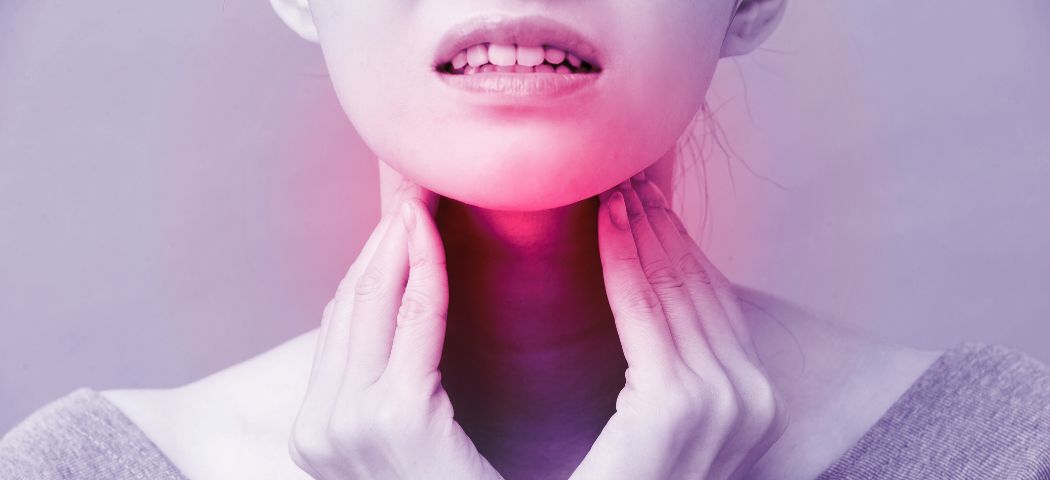
For people with hypothyroidism, losing weight can be a difficult thing to achieve. Hypothyroidism is a condition characterized by an underactive thyroid gland which affects the body’s metabolism. The thyroid gland is responsible for producing hormones that regulate metabolic processes and when it doesnÔÇÖt produce enough of these hormones, the bodyÔÇÖs metabolism slows down. This slower metabolism means that the body burns fewer calories, making it much harder to lose weight. In this article, we’ll explore the impact of hypothyroidism on weight loss!
The Impact of Hypothyroidism on Weight Loss
The impact of hypothyroidism on weight loss is extensive. With a slowed metabolism, the bodyÔÇÖs efficiency in converting food into energy is reduced and this often leads to weight gain. Additionally, hypothyroidism can cause the body to retain water and salt, which leads to bloating and further weight gain. This can be incredibly frustrating for those trying to lose weight, as the usual methods of dieting and exercise may not yield the expected results.
The Complexity of Weight Gain with Hypothyroidism
Hypothyroidism doesnÔÇÖt just slow down the metabolism, it also affects energy levels, mood, and overall motivation, all of which are critical factors in weight management. People with hypothyroidism often experience fatigue and depression, which can reduce their motivation to exercise and make it harder to stick to a healthy diet. This combination of a slowed metabolism and decreased physical activity creates a perfect storm for weight gain and makes it more challenging to achieve weight loss goals.
The Psychological Toll of Hypothyroidism on Weight Management
Beyond the physical challenges, hypothyroidism can also take a toll on your mental health. The conditionÔÇÖs impact on mood and energy levels can lead to feelings of frustration, hopelessness, and low self-esteem, particularly when efforts to lose weight seem unsuccessful. This emotional burden can further intensify the struggle with weight loss which creates a cycle that is difficult to break.
The impact of hypothyroidism on weight loss is significant, and its challenges extend beyond mere calorie counting and exercise. Understanding these challenges is essential for setting realistic weight loss goals. While the journey may be more complex with hypothyroidism, acknowledging these obstacles is the first step toward  finding effective solutions. With expert guidance, you can overcome these hurdles. 
Consult our Marie France specialists for a personalized weight loss plan tailored to your body’s needs. Book a consultation today!
Diet No-Nos for Chronic Fatigue Weight Loss

Dealing with Chronic Fatigue Syndrome (CFS) and managing weight loss can be quite a challenge. CFS is a condition where persistent fatigue is not relieved by restÔÇôoften requiring careful dietary management to maintain energy levels and overall health. Certain food can heighten symptoms or hinder weight loss efforts, making it important to choose smart dietary choices.┬á
LetÔÇÖs find out these dietary choices you can avoid or as much as possible reduce.┬á
1. Refined Sugars and Simple Carbohydrates
Food high in refined sugars and simple carbohydrates can cause rapid spikes in blood sugar levels followed by sharp drops, leading to increased fatigue and cravings. These fluctuations can be especially problematic for those with CFS, who need to maintain stable energy levels. It’s best to avoid or lessen sweets, pastries, white bread, and sugary drinks, opting instead for carbohydrates like whole grains, which provide sustained energy.┬á
2. Caffeine
While caffeine may offer a temporary boost in energy, it can also lead to energy crashes, disrupt sleep, and increase anxiety, all of which can worsen CFS symptoms. Moreover, reliance on caffeine can mask the bodyÔÇÖs natural signals of fatigue, potentially leading to overexertion. Limiting or avoiding caffeinated beverages such as coffee, tea, and energy drinks is advisable for better management of the condition.
3. Processed Foods
Processed food are often high in unhealthy fats, sugars, and additives, which can contribute to inflammation and heighten CFS symptoms. These food also tend to be low in essential nutrients, providing little benefit while adding unnecessary calories that can hinder weight loss efforts. Choosing whole, unprocessed foods like fresh vegetables, fruits, and lean proteins is a healthier option. 
4. Alcohol
Alcohol can interfere with sleep quality, which is crucial for those managing CFS. It also has a depressant effect on the central nervous system, which can increase fatigue and other symptoms associated with CFS. Additionally, alcohol contains empty calories that can contribute to weight gain. Reducing or eliminating alcohol intake can help improve overall health and support weight loss.
5. Gluten and Dairy (for sensitive individuals)
Some individuals with CFS may experience sensitivities to gluten or dairy, which can lead to digestive discomfort, increased inflammation, and exacerbation of CFS symptoms. While not everyone with CFS is sensitive to these food, it’s worth noting any adverse reactions and considering an elimination diet to identify potential triggers.
6. Artificial Sweeteners and Additives
Artificial sweeteners and additives found in many diet foods and beverages can cause digestive issues and may also impact energy levels and mood. These substances can trigger inflammatory responses in some people, potentially worsening CFS symptoms. Natural sweeteners like honey or maple syrup, in moderation, are better alternatives.
7. High-Sodium Food
High sodium intake can lead to water retention and increased blood pressure, which can exacerbate symptoms of CFS, including dizziness and fatigue. Processed meats, canned soups, and fast food are often high in sodium. Opt for fresh, minimally processed food and use herbs and spices for flavoring to keep sodium intake in check. 
8. High-Fat Food
While healthy fats are essential for overall health, excessive consumption of unhealthy fats found in fried foods, processed snacks, and fast food can lead to weight gain and sluggishness. These food are often calorie-dense and has less nutrients. 
Managing Chronic Fatigue Syndrome requires careful attention to diet, as certain food can significantly impact symptoms and overall well-being. Avoiding food high in refined sugars, caffeine, processed ingredients, and unhealthy fats can help manage CFS symptoms and support weight loss efforts. 
Once you know which food to avoid or lessen, focus on a balanced diet rich in whole foods, lean proteins, and healthy fats. As always, consulting with a healthcare professional or nutritionists can provide personalized dietary guidance tailored to your specific needs and health conditions. 
Let Marie France help you start on your weight loss journey! Book a consultation!