The Link Between Hormonal Imbalance and Weight Gain: Causes and Effects
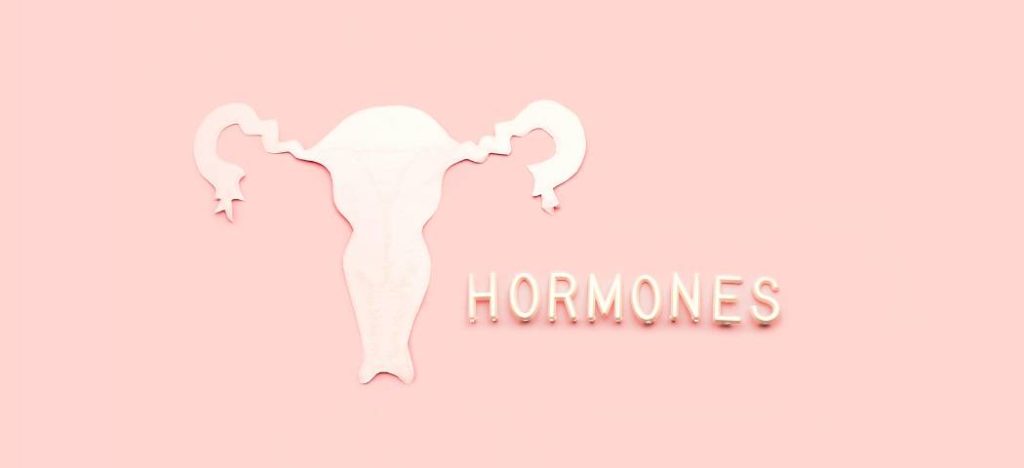
Hormonal imbalances can lead to weight gain due to factors like increased appetite, slowed metabolism, and fat storage. Achieve sustainable weight loss by better understanding what youÔÇÖre dealing with.
You already know that hormonal imbalance can slow your weight loss efforts, but do you know how? If not, donÔÇÖt worry, as we’re here to help you understand the link between hormonal imbalance and weight gain, so you can take control and finally reach your goals!
What’s the Deal with Hormones and Weight?
Hormones are chemical messengers that regulate various bodily functions, including appetite, metabolism, and fat storage.
When these hormones are out of whack, it can lead to effects that make losing weight a real challenge. Here’s how hormonal imbalances can contribute to weight gain:
Increased appetite and cravings, often for high-calorie, high-carb foods
Slowed metabolism, making it harder to burn calories effectively
Increased fat storage, particularly around the abdomen and waist area
Disrupted sleep patterns, which can impact hunger hormones and metabolism
Mood changes and emotional eating tendencies
Common Culprits of Hormonal Imbalance
Several factors can throw your hormones out of balance, including:
Stress (hello, cortisol!)
Thyroid disorders
Polycystic ovarian syndrome (PCOS)
Menopause and andropause
Certain medications
Poor diet and lifestyle choices
Tackling Hormonal Weight Gain
While hormonal imbalances can make weight loss more challenging, it’s not impossible. Here are some actionable strategies to help get your hormones back on track:
Manage stress through mindfulness, exercise, and self-care.
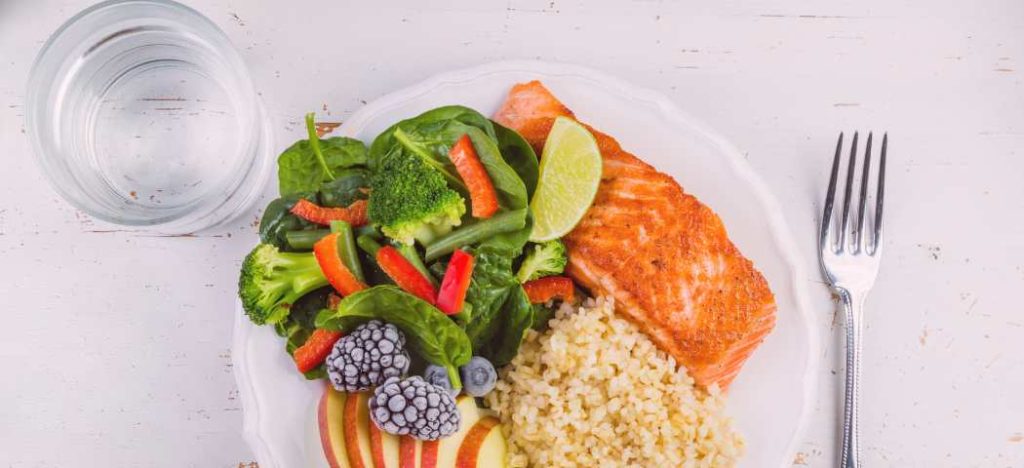
Eat a balanced diet rich in whole foods and fiber.
Get enough quality sleep and practice good sleep hygiene.
Incorporate strength training to build muscle and boost metabolism.
Consider supplements or medications (under medical guidance).
Take Control with Marie France
At Marie France, our team of experts specializes in helping individuals achieve their weight loss goals through a holistic approach that addresses hormonal imbalances.
Book a consultationtoday, and let us create a personalized plan that combines dietary adjustments, lifestyle modifications, and targeted treatments to balance your hormones and kickstart your weight loss journey. Bid goodbye to hormonal hurdles and say hello to a happier, healthier you!
Cracking The Code: Hormones, Metabolism, and Weight
Hormonal imbalances play a big role in your weight management journey, thatÔÇÖs why itÔÇÖs important to address them as early as possible.
Understanding Hormonal Imbalance
Hormonal imbalance occurs when there is an excess or deficiency of certain hormones in the body, disrupting the delicate balance of the whole physiological processes. While hormones such as insulin, cortisol, thyroid hormones, and sex hormones all play a role in metabolism and weight regulation, imbalances in these hormones can lead to metabolic dysfunction and weight gain.
Hormonal Weight Gain and Metabolism
One of the most common effects of hormonal imbalance on metabolism is weight gain. Hormonal fluctuations can disrupt the body’s ability to regulate appetite, energy expenditure, and fat metabolism, leading to increased fat storage and weight gain, particularly in the abdominal region.
Menopause Weight Gain
Menopause is a natural stage of life for women that is characterized by hormonal changes, including a decline in estrogen levels. This hormonal shift is often accompanied by changes in metabolism and body composition, with many women experiencing an increase in abdominal fat and a decrease in lean muscle mass. These changes can contribute to menopause weight gain and an increased risk of metabolic disorders such as insulin resistance and cardiovascular disease.
Polycystic Ovary Syndrome (PCOS)
PCOS is a hormonal disorder that affects women of reproductive age and is characterized by hormonal imbalances, insulin resistance, and ovarian cysts.
Women with PCOS often experience symptoms such as:
Irregular menstrual cycles
Excessive hair growth
Severe acne
Weight gain particularly around the abdomen
Hormonal imbalances associated with PCOS, including elevated levels of androgens and insulin, can disrupt metabolism and lead to weight gain and difficulty losing weight.
Signs and Symptoms of Hormonal Imbalance
Recognizing the signs and symptoms of hormonal imbalance is essential for early detection and intervention.
Common symptoms include:
Unexplained weight gain or difficulty losing weight
Fatigue
Mood swings
Irregular menstrual cycles
Hair loss or excessive hair growth
Changes in libido
If you experience any of these symptoms, consult with a healthcare professional for proper evaluation and treatment.
Manage Hormonal Imbalance for Weight Management
By:
Eating a Balanced Diet: Focus on consuming a balanced diet rich in fruits, vegetables, whole grains, lean proteins, and healthy fats to support hormone balance and metabolism.
Managing Stress: Incorporate stress-reduction techniques such as mindfulness meditation, deep breathing exercises, and regular physical activity into your routine.
Staying Active: Regular physical activity is essential for supporting metabolism and hormone balance. Aim for at least 30 minutes of moderate-intensity exercise most days of the week, incorporating a mix of cardiovascular exercise, strength training, and flexibility exercises.
Seeking Professional Guidance: Consult with a healthcare professional, such as a doctor or endocrinologist, for proper evaluation and treatment.
Hormonal imbalance can have drastic effects on metabolism and weight management, contributing to weight gain and metabolic dysfunction. Conditions such as menopause weight gain and PCOS are closely linked to hormonal fluctuations and require specialized treatment and management strategies. By understanding the effects of hormonal imbalance on metabolism and taking steps to support hormone balance through lifestyle modifications and professional guidance, individuals like YOU can improve their overall health and well-being.
YouÔÇÖre not alone in this journey! Message Marie France today and weÔÇÖll help you address these issues for a healthier you!
Bye-Bye Belly Bulge: Low-Impact Exercises for Menopausal Weight Loss
Low-impact exercises like walking, swimming, and yoga can help manage menopausal weight gain by boosting metabolism, reducing stress, and improving overall fitness.
Ah, menopauseÔÇôthe delightful but challenging time when our bodies seem to have a mind of their own. For many women, one of the biggest hurdles is unwanted weight gain, particularly around the midsection.
The good news is that adding regular exercise to your routine can make a positive difference.
Low-impact exercises, in particular, offer a gentle yet effective way to combat menopausal weight gain while supporting overall health and well-being.
Understanding the Benefits of Low-Impact Exercise
Before getting into specific exercises, let’s highlight why low-impact workouts are beneficial for menopausal women:
Joint-Friendly. Low-impact exercises reduce the risk of injury and discomfortÔÇöparticularly important for women experiencing joint stiffness or arthritis during menopause.
Heart Health. Improve your heart function and blood pressure without putting excessive stress on the heart and blood vessels.
Weight Management. These exercises help burn calories and fat, reducing the risk of abdominal fat gain associated with menopause.
Recommended Low-Impact Exercises
Walking:
Brisk Walks: Take brisk walks outdoors or on a treadmill, aiming for at least 30 minutes most days of the week.
Incorporate Nature: Walking in parks or natural trails can enhance the experience, providing a refreshing change of scenery.
Swimming and Water Aerobics:
Aquatic Benefits: Swimming laps or participating in water aerobics classes offers a full-body workout with minimal impact on joints.
Cooling Effect: Especially beneficial for women experiencing hot flashes, as the water provides a refreshing and cool environment.
Cycling:
Stationary Bikes: Utilize stationary bikes at home or in the gym for a low-impact cardiovascular workout.
Outdoor Cycling: Explore scenic routes on a bicycle, enjoying the fresh air while improving leg strength and stamina.
Yoga:
Gentle Flow Yoga: Focus on gentle, flowing sequences that improve flexibility, balance, and core strength.
Restorative Yoga: Embrace poses that promote relaxation and stress reduction, such as supported poses with props.
Pilates:
Core Strengthening: Pilates exercises target the core muscles, aiding in posture improvement and overall body toning.
Mat Workouts: Perform Pilates routines on a mat, incorporating controlled movements and breathing techniques.
Tai Chi:
Mind-Body Harmony: Tai Chi combines gentle, flowing movements with deep breathing and meditation.
Balance Improvement: Enhance balance, coordination, and mental focus through this ancient martial art.
Dancing:
Zumba or Dance Fitness Classes: Join fun and energetic dance classes that incorporate aerobic exercises with lively music.
Ballroom or Social Dancing: Engage in partner dances like salsa, ballroom, or swing, promoting social interaction and physical activity.
Elliptical Training:
Full-Body Workout: Elliptical machines offer a low-impact, full-body cardiovascular workout that engages the arms, legs, and core.
Adjustable Resistance: Tailor the intensity by adjusting the resistance levels to suit your fitness level and goals.
Empowering Menopausal Women Through Exercise
Don’t let menopausal weight gain hold you back any longer! Invest in your health and well-being with the support of our dedicated professionals.
Book a consultation today and letÔÇÖs talk about ways you can reduce your belly fat effectively during menopause.
Stay Healthy Through The Changes: Menopausal Weight Gain Edition
Raging symptoms of menopause such as menopausal weight gain often lead to the question: can it be prevented or avoided before it even happens?
HereÔÇÖs what you need to know.
Why Do I Gain Weight During Menopause?
Menopause weight gain is influenced by various factors, including hormonal changes, metabolic shifts, and lifestyle habits.
Estrogen levels decline during menopause and can lead to hormonal imbalance effects that affect metabolism and fat distribution. Additionally, as we age, changes in metabolism and muscle mass can contribute to hormonal weight gain.
What Can I Do to Curb Down My Weight?
Healthy Eating Habits
Try having a balanced diet rich in fruits, vegetables, whole grains, lean proteins, and healthy fats can support weight management during menopause.
Regular Exercise
Add regular physical activity into your routine as it helps boost metabolism, burn calories, and maintain muscle mass, all of which contribute to a healthy weight.
Stress Management
Learn stress-reducing techniques such as yoga, meditation, and deep breathing exercises to manage stress effectively, women can support their hormonal balance and reduce the risk of weight gain associated with stress.
Get Proper Sleep
Prioritize sleep quality by creating a relaxing bedtime routine and ensuring a comfortable sleep environment, women can promote restful sleep and support a healthy weight.
Regular Healthcare Monitoring
Lastly, regular check-ups with your doctors are important for overall health and early detection of any potential issues. By establishing a relationship with a healthcare provider before menopause, women can receive guidance on preventive measures, lifestyle habits, and potential interventions to maintain a healthy weight.
Facing Menopause with Confidence
By establishing healthy eating habits, regular exercise routines, stress management techniques, and good sleep hygiene practices early on, we can now face menopause with confidence and maintain a healthy weight throughout life.
Interested to learn more? Book a consultation today!
Can Stress Make You Gain Weight?
Yes, stress-induced hormonal imbalance can make you gain weight. Stress management can significantly improve hormonal imbalance effects including weight gain.
Stress has been linked to weight gain due to its influence on hormones that give your brain hunger cues.
When youÔÇÖre facing a stressful situation, the body releases cortisol, a hormone responsible for appetite control and fat storage. Moreover, sleep disruptions due to stress can make you fatigued enough to consume high-calorie comfort food.
What happens when youÔÇÖre chronically stressed
When youÔÇÖre chronically stressed, your adrenal glands become exhausted. These small glands atop your kidneys produce cortisol. As cortisol levels go haywire and become imbalanced, it throws your system out of sync.
Beyond expecting mood swings and fatigue, weÔÇÖll see changes in our metabolism and weight management.
Moreover, chronically stressed individuals are likely to develop deep abdominal fat that surrounds the organs, leading to an increased risk of:
insulin resistance
type-2 diabetes
cardiovascular disease
Tips for Managing Stress and Weight
Here are a couple of simple yet effective tips to manage your weight during stressful situations:
DonÔÇÖt stop working out. Feeling stressed out is not a good reason to opt out of physical fitness activities! Stick to your fitness routine as much as you can as it helps maintain your stress levels.
Practice mindful eating techniques. During periods of stress, you need to be attentive to food choices, hunger cues, and portion sizes. Being present allows you to know if youÔÇÖre really hungry or just stressed, preventing stress-related overeating.
Do what you love with people you love. Manage stress by seeking support from loved ones. Engage in relaxing activities! Take a walk, enjoy a hobby, and spend quality time with loved ones.
Holistic and Scientific Approach to Stress-Induced Weight Gain
At Marie France, we take a holistic and personalized approach to address stress-induced hormonal imbalance and its associated weight challenges.
Book a consultation with us today to know your options.
Hormonal Imbalance: 10 Signs You ShouldnÔÇÖt Ignore
Hormones act as our ÔÇ£behind-the-scenesÔÇØ crew inside our bodies that control everything, including energy levels and emotions. But, if they start acting up, they can throw everything off balance, including our weight and overall health.
At Marie France, we know how important it is to spot the signs of hormonal imbalance effects early on. HereÔÇÖs 10 things to know if your hormones might be out of whack and what you can do about it.
Unexplained Weight Gain Notice sudden or unexplained weight gain around your belly, hips, and thighs? These can be signs of hormonal imbalance. Hormones such as insulin, cortisol, and estrogen play key roles in regulating metabolism and fat storage. Imbalances in these hormones can lead to increased fat accumulation.
Persistent Fatigue Feeling tired or exhausted despite getting enough sleep could indicate a hormonal imbalance, particularly if accompanied by other symptoms such as mood swings or irritability. Hormonal fluctuations, such as those seen in thyroid disorders or adrenal fatigue, can disrupt energy levels and leave you feeling drained.
Mood Swings and Irritability Hormonal imbalances, particularly in estrogen, progesterone, or cortisol levels, can contribute to mood swings, irritability, and emotional instability. Fluctuations in these hormones can send signals in the brain leading to changes in mood and behavior.
Irregular Menstrual Cycles Women may experience irregular menstrual cycles, including missed periods, heavy bleeding, or shorter or longer cycles, due to hormonal imbalances such as estrogen dominance or polycystic ovary syndrome (PCOS).
Hair Loss or Thinning Fluctuations in thyroid hormones or androgens (male hormones), can contribute to hair loss or thinning in both men and women. Pay attention to changes in your hair texture, thickness, or shedding patterns.
Acne Breakouts Particularly in the androgen levels, hormonal imbalance can stimulate excess sebum production in the skin, leading to acne breakouts, particularly along the jawline, chin, and upper back.
Digestive Issues Fluctuations in cortisol levels or thyroid function, can affect digestive health and contribute to symptoms such as bloating, gas, constipation, or diarrhea. Check for changes in your digestive habits, as they may signal hormonal disruption.
Sleep Disturbances Hormonal imbalances, particularly in cortisol, melatonin, or sex hormones, can disrupt sleep patterns and lead to insomnia, difficulty falling asleep, or waking up frequently during the night. Poor sleep quality can further worsen hormonal imbalances and impact overall health.
Low Libido Fluctuations in sex hormones such as estrogen, testosterone, or progesterone can affect libido and sexual desire in both men and women. Hormonal imbalances, stress, fatigue, or underlying health conditions may contribute to decreased libido and sexual dysfunction.
Brain Fog and Cognitive Decline Hormonal imbalances in thyroid hormones or cortisol levels can impair cognitive function and lead to symptoms such as brain fog, forgetfulness, difficulty concentrating, or mental fatigue. Look for changes in your mental clarity and cognitive performance, as they may indicate underlying hormonal issues.
At Marie France, we’re here to support you on your journey to achieving better health with personalized weight loss programs designed to address hormonal imbalances and promote sustainable weight loss. Book a consultation today!
Menopause-Friendly Superfood Recipes for Weight Loss
Who says menopause makes it impossible to enjoy tasty treats while keeping a healthy weight? Not us! Nature offers a world of delicious superfoods, packed with essential nutrients and compounds, that can help menopausal women achieve their weight goals.
Check out these menopause-friendly recipes made with superfoods for weight loss!
Blueberry and Spinach Smoothie
Ingredients:
› cup blueberries. Rich in antioxidants, particularly anthocyanins, which combat inflammation. They help in reducing inflammation, supporting a healthy weight, and overall well-being.
1 handful spinach leaves. Provides iron and magnesium essential for energy production. This leafy green also supports metabolism.
1 tbsp chia seeds. Promotes digestive health and keeps you full for longer periods. This helps combat cravings and overeating.
› ripe banana
┬╝ cup yogurt of your choice
› cup milk of your choice
Ice cubes, if preferred cold
Instructions:
Combine blueberries, spinach, banana, yogurt, chia seeds, and milk in a blender.
Blend until smooth and creamy.
Add ice cubes if desired for a chilled smoothie.
Pour into a glass and enjoy it as a nutritious breakfast or satisfying snack.
 
Grilled Salmon with Avocado Salsa
Ingredients:
1 salmon filet. Loaded with omega-3 fatty acids. It supports heart health and aids in weight management by reducing inflammation.
┬╝ ripe avocado. Promotes satiety and keeps hunger pangs at bay. These fats also support hormone production, an essential aspect of menopausal weight loss.
Salt and pepper to taste.
1 tbsp red onion
1 tsp diced jalapeno
1 tbsp chopped cilantro
1 tsp lime juice
Instructions:
Season salmon filets with salt and pepper.
Grill salmon filets until cooked through.
In a bowl, combine diced avocados, red onion, jalape├▒o, cilantro, lime juice, salt, and pepper to make the salsa.
Serve grilled salmon topped with avocado salsa.
 
Quinoa and Vegetable Buddha Bowl
Ingredients:
› cup cooked quinoa. Supports muscle health and provides lasting energy. For menopausal women, this means maintaining muscle mass and a steady metabolism.
1 small cooked sweet potato. Provide a steady release of energy, preventing energy crashes and overeating.
1 cup steamed broccoli florets. Packed with fiber and antioxidants. It aids digestion and supports metabolism.
┬╝ cup cherry tomatoes
1 tbsp sliced almonds
Salad dressing of your choice
Instructions:
Assemble cooked quinoa, roasted sweet potatoes, steamed broccoli, cherry tomatoes, and sliced almonds in a bowl.
Drizzle with your favorite salad dressing.
Toss to combine and enjoy as a satisfying and nutrient-packed meal.
 
Broccoli and Chia Seed Salad
Ingredients:
1 tbsp chia seeds. Fiber and protein powerhouse. Promotes fullness and aids in weight loss.
1 cup broccoli florets. Supports digestion and metabolism. Its high fiber content also promotes satiety, helping menopausal women control their calorie intake.
┬╝ cup cherry tomatoes
1 tbsp sliced almonds
Salad dressing of your choice
Instructions:
Steam broccoli florets until tender-crisp, then let cool.
In a bowl, combine broccoli, cherry tomatoes, chia seeds, and sliced almonds.
Drizzle with your favorite salad dressing and toss to coat.
Embrace the Superfoods for Your Menopausal Weight Loss Journey
Each ingredient in these superfood-packed recipes is here to support you on your weight loss journey during menopause.
They help fight inflammation, keep you full longer, and maintain your energy levels throughout the day!
Go ahead and follow these delicious superfood-packed recipes that support your health and well-being during menopause!
Want an in-depth solution to weight loss during menopause?
Consult with our Slimming Consultants at Marie France today!
Is it Possible to Reverse Menopause Weight Gain?
Menopause is often accompanied by physical and emotional changes. Among these changes, hormonal weight gain stands out as a common concern. Menopausal women may wonder: is it possible to reverse menopause weight gain?
 
Gaining weight with menopause
Menopause, typically occurring between the ages of 45 and 55, marks the end of menstrual cycles. Hormonal shifts, particularly a decrease in estrogen levels, can be sneaky contributors to potential weight gain.
 
Symptoms of Menopause
Hormonal Weight Gain
Hot flashes
Mood swings
Sleep disturbances
Fatigue
Decreased muscle mass
Slower metabolism
 
Reversing Menopause Weight Gain: A Practical Approach
WeÔÇÖre not gonna sugarcoat this: menopause weight is notoriously hard to lose. But hereÔÇÖs the good news: with the right strategies, it is possible to manage weight effectively during and after menopause. Here are some actionable steps you can take:
Healthy Eating Habits:
Load up on nutrient-dense goodies like fruits, vegetables, whole grains, and lean proteins.
Limit processed foods and sugary snacks. And while youÔÇÖre at it, ease up on the salt, too.
DonÔÇÖt forget your calcium and vitamin D fix from dairy, leafy greens, and fortified food which are good for your bones!
Regular Exercise Routine:
Get moving with some fun cardio! Try walking, swimming, or dancing!
Aim for at least 150 minutes of moderate-intensity aerobic activity per week, along with muscle-strengthening exercises on two or more days.
Manage Stress:
Stress less with yoga, meditation, or just simple deep breathing exercises.
DonÔÇÖt skimp on sleep! Aim for 7-9 hours of quality sleep each night.
Hormone Therapy Consideration:
For some women, hormone replacement therapy (HRT) may be an option to manage menopause symptoms, including weight gain.
Consult with a healthcare provider to discuss the potential benefits and risks of HRT based on individual health needs.
Seek Professional Support:
Call in the pros! Consider consulting a nutritionist or dietitian specializing in menopause nutrition.
Weight loss clinics like Marie France offer tailored programs and support to help women lose weight effectively regardless of their life stage or medical condition.
Lose the Menopause Weight with Marie France
Marie France is a science-based, holistic weight loss clinic that aims to be a trusted ally in a womanÔÇÖs weight loss journey. We want women to embrace this phase of life with confidence, knowing that menopausal weight gain is manageable.
If you’re experiencing menopause weight gain, know that you’re not alone, and help is available.
Book a consultation today!
The Holistic Menopause Diet: Simplified Solutions for Hormonal Balance
Menopause is one of the many phases of womanhood. ItÔÇÖs a whole journey where hormones, body composition, and overall well-being change drastically. And youÔÇÖre asking, how can we deal with menopause weight gain once you reach this stage?
So here are some tips and lifestyle tweaks on holistic nutrition and weight management that you can try!
 
Understanding Menopause and Hormonal Balance Blues
Once menopause hits, your estrogen levels drop leading to hormonal imbalances which may impact your weight, metabolism, and overall health including your mood. ThatÔÇÖs why adapting to a lifestyle that supports hormonal balance and promotes well-being during this phase of life is important.
 
Hormonal Weight Gain
As estrogen bids farewell, the body tends to store more fat, especially around the belly. This “hormonal weight gain” can be challenging, but switching up a few healthier things in your diet can help you manage it effectively.
 
Menopause Symptoms
Beyond weight gain, menopause can bring hot flashes, mood swings, and sleep troubles. A holistic diet aims to address these symptoms while supporting overall health and vitality.
 
The Role of Nutrition
A well-rounded and menopause-friendly diet focuses on nutrient-dense foods that provide essential vitamins, minerals, and antioxidants. This not only supports hormonal balance but also boosts energy levels, improves mood, and enhances overall quality of life.
 
Create Your Own Menopause Diet With
Veggies On:
Fill your plate with bright and colorful fruits and vegetables rich in vitamins, minerals, and antioxidants.
Think leafy greens, berries, citrus fruits, and cruciferous vegetables like broccoli and cauliflower.
Healthy Fats for Hormonal Health:
Include sources of healthy fats such as avocados, nuts, seeds, and olive oil.
Omega-3 fatty acids, found in fatty fish like salmon and flaxseeds, are particularly beneficial for hormonal balance.
Protein Power:
Keep your muscles happy with protein sources such as poultry, fish, tofu, legumes, and eggs.
Protein supports muscle maintenance and helps regulate appetite, aiding in weight management.
Whole Grains Galore:
Choose whole grains and complex carbohydrates like quinoa, brown rice, oats, and whole-wheat products for long-lasting energy and happy digestive health.
Bone Builders:
Calcium and vitamin D are important for bone health during menopause, so include dairy products, fortified plant-based milk, leafy greens, and even some sardines in your diet.
Mindful MunchinÔÇÖ:
Practice mindful eating by paying attention to hunger and fullness cues.
Slow down during meals, savor each bite, and avoid distractions when eating like phone screens and television.
Hydration Station:
Stay hydrated with water throughout the day to support metabolism and overall health.
Herbal teas such as chamomile, peppermint, and green tea offer hydration and other health benefits.
Limited Sugar and Processed Foods:
Reduce intake of sugary snacks, refined carbohydrates, and processed foods. These foods can lead to energy crashes, hormonal fluctuations, and weight gain.
 
Holistic Wellness Beyond the Plate
But hey, it’s not just about what’s on your plate! Regular physical activity, stress-busting techniques, quality sleep, and a bit of professional guidance can all play a part in your menopause journey.
At Marie France, we study and plan your body journey and give you comprehensive and personalized treatments. Through a holistic approach to nutrition, stress management, and lifestyle choices, women can embrace this phase of life with happiness and confidence.
Ready to start planning your wellness journey with us? Book a consultation today!
Control Emotional Eating During Menopause
One common challenge that many women face during menopause is emotional eating, often triggered by hormonal imbalances and the accompanying rollercoaster of feelings!
Much like how estrogen levels fluctuate during menopause, emotions can fluctuate too! Hormonal changes can lead to mood swings, irritability, anxiety, and even depressionÔÇöall of which will have you reaching out for your comfort food.
Menopause Symptoms
Hot flashes
Night sweats
Mood swings
Fatigue
Sleep disturbances
Emotional Eating Triggers
Stress: Menopause can worsen stress from juggling work, family, and personal life, leading to cravings for high-calorie, sugary foods.
Mood Swings: Fluctuating hormones can make you feel invincible one second and then want to hide under the covers the next! During moments of emotional turbulence, you might turn to your favorite food for comfort.
Boredom or Loneliness: Sometimes, menopause brings changes in social and lifestyle needs. Boredom and feelings of loneliness might creep in. As a result, snacks become a source of temporary comfort.
Body Image Concerns: Changes in body composition, such as weight gain or shifts in fat distribution, can play tricks on your confidence. Emotional eating becomes a response to feeling less-than-fabulous.
Holistic Approaches to Break the Emotional Eating Cycle
JournalingTake a few moments each day to jot down your feelings, triggers, and the foods you reach for when emotions run high. This practice can help you identify recurring patterns and develop healthier coping mechanisms.
Therapy or CounselingSeeking support from a therapist or counselor can guide you through the twists and turns of menopause. A therapist can help you explore underlying emotions, develop coping strategies, and cultivate a positive relationship with food.
Mindfulness and MeditationPracticing mindfulness and meditation can make you aware of your thoughts, emotions, and eating habits. Tune into the present moment and savor each bite mindfully; doing so allows you to eat slowly and recognize feelings of fullness sooner!
Joining Support GroupsConnecting with people who are going through the same journey as you offers a safe space for sharing experiences, tips, and encouragement.
Regular ExerciseEngaging in regular physical activity not only benefits physical health but also makes you feel goodÔÇöa powerful combination for combating emotional eating.
By recognizing the triggers and implementing holistic approaches, you can finally conquer emotional eating!
Key Takeaways
Identify Triggers: Keep a journal to track emotions, triggers, and eating patterns.
Seek Support: Consider therapy, counseling, or joining support groups for guidance and encouragement.
Practice Mindfulness: Cultivate awareness of your body’s hunger and fullness cues through mindful eating and meditation.
Stay Active: Engage in regular exercise to boost mood, reduce stress, and support weight management.
Connect with Others: Share experiences and insights with others facing similar challenges in support groups.
For personalized guidance and support on your menopausal journey, consider reaching out to our experts at Marie France. We are here to empower you with holistic approaches to emotional eating and hormonal balance during menopause.