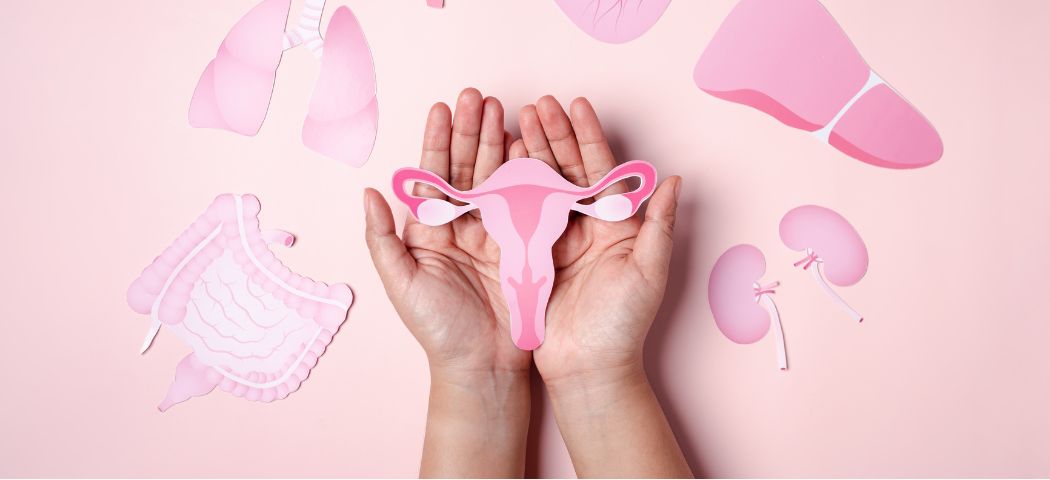
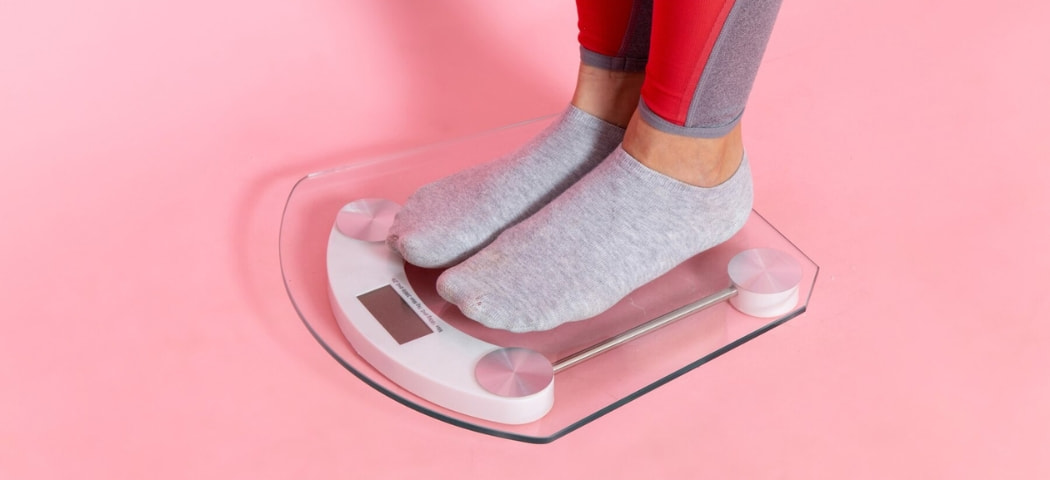
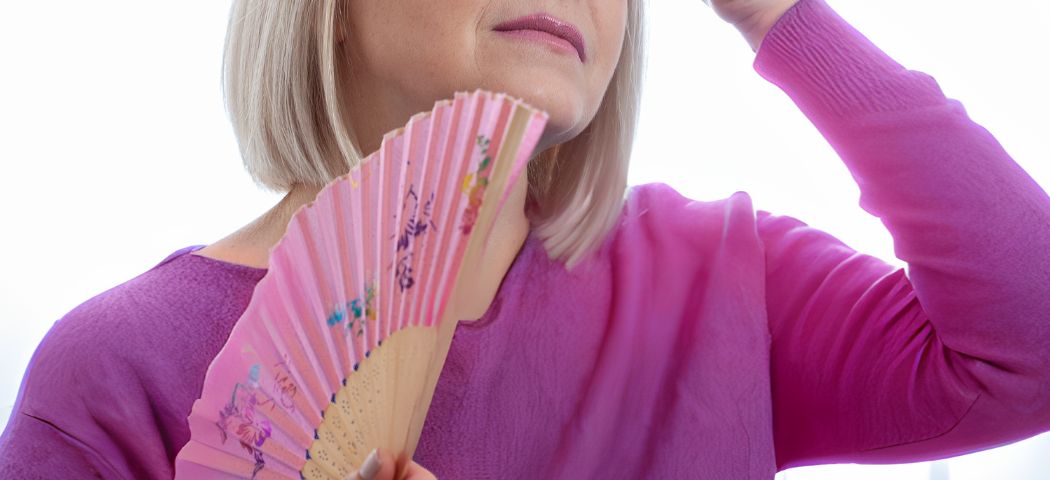
Polycystic ovary syndrome (PCOS) and weight gain have always been in a ÔÇ£complicated relationshipÔÇØ status. With hormonal imbalances, insulin resistance, and ovarian cysts involved, weight gain and maintaining a healthy weight can be challenging.
LetÔÇÖs take a closer look at the challenges with PCOS and weight gain and how to manage them at your own pace and capabilities!
Why PCOS and Weight Gain Are In A Complicated Relationship
Aside from the common symptoms of PCOS such as irregular menstrual cycles and ovarian cysts, one of PCOS is also heavily linked to insulin resistance. ItÔÇÖs where the bodyÔÇÖs cells become resistant to insulin, leading to high blood sugar levels and increased fat storage.
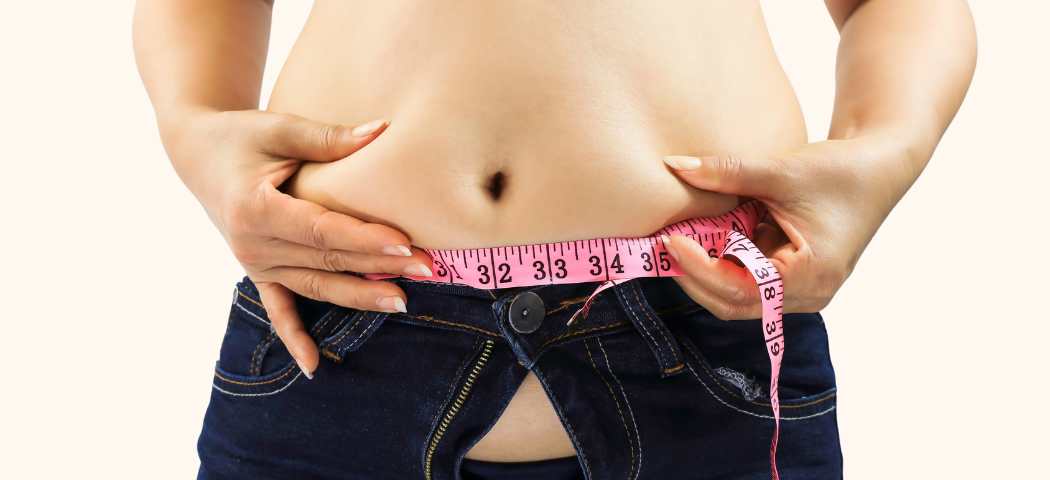
Insulin resistance can contribute to weight gain, particularly in the abdominal region or midsection, and make it challenging to lose weight despite efforts to diet and exercise.
Another factor contributing to weight gain is the excess androgens. This can lead to increased appetite and cravings for high-calorie food. These hormonal imbalances create a vicious cycle of weight gain and insulin resistance, making it difficult for women with PCOS to achieve and maintain a healthy weight.
Why Weight Management is Hard with PCOS
Managing weight with PCOS presents unique challenges due to:
Insulin Resistance
Metabolic Dysfunction
Hormonal Imbalances
Take Care of PCOS by
Healthy Eating Habits: Eating a balanced diet can help regulate blood sugar levels and improve insulin sensitivity.
Regular Exercise: Engage in regular physical activity to promote weight loss, improve insulin sensitivity, and support overall health.
Stress Management: Practice stress management techniques such as mindfulness meditation, deep breathing exercises, and regular physical activity to reduce stress levels and support weight management.
Medical Treatment: Consult with a healthcare professional or endocrinologist for medical treatment options to manage PCOS symptoms and support weight loss efforts.
PCOS is a condition that should not hinder you from living your best life. All you need to do is to adapt to a healthier lifestyle, talk to your doctor about it, and get the proper treatment needed. You donÔÇÖt have to do it alone!
By taking proactive steps to manage weight effectively, women with PCOS can improve their overall health and well-being and reduce the risk of complications associated with the condition.
Ready to start your wellness journey? Book a consultation today!
Understanding Hormonal Weight Gain: How Hormones Influence Body Composition
How do you prevent hormonal weight gain? You need regular exercise, a balanced diet, stress management, and adequate sleep to support your hormonal health and weight management.
Why Do Hormones Make You Gain Weight?
When hormones are in balance, they help maintain a healthy weight by signaling the body to use energy efficiently and regulate hunger and satiety cues.
However, when hormonal balance is disrupted, it can lead to changes in:
Appetite
Metabolism
Fat storage
Imbalanced hormones can foil your attempts at weight loss, ultimately contributing to weight gain.
Conditions such as insulin resistance, thyroid disorders, and adrenal dysfunction can further disrupt hormonal balance and contribute to weight gain.
Signs and Symptoms of Hormonal Imbalance
Common signs of hormonal imbalance include:
Unexplained weight gain
Difficulty losing weight
Irregular menstrual cycles
Fatigue
Mood swings
Changes in appetite or cravings
If you suspect you have a hormonal imbalance, it’s essential to consult with a healthcare provider for proper evaluation and management.
How to Manage Hormonal Weight Gain
Lifestyle modifications such as regular exercise, a balanced diet, stress management, and adequate sleep can help support hormonal balance and weight management.
GET ENOUGH SLEEP: The National Sleep Foundation recommends that adults aim for 7-9 hours of sleep per night to promote overall health and well-being.
STAY PHYSICALLY ACTIVE: The American Heart Association advises at least 150 minutes of moderate-intensity aerobic activity weekly for adults, along with muscle-strengthening activities on two or more days a week.
MANAGE YOUR STRESS: To manage stress, the American Psychological Association suggests strategies like mindfulness, engaging in hobbies, and maintaining social connections to promote mental well-being.
Additionally, medications or hormone therapy may be prescribed to address specific hormonal imbalances associated with conditions such as PCOS or menopause.
How Marie France Can Help Manage Hormonal Weight Gain
Hormonal weight gain is not a result of a lack of willpower or discipline; it’s a complex interplay of various factors that require personalized care and attention.
At Marie France, we have a team of certified doctors and slimming experts who understand the complexities of weight management, including hormonal imbalances.
Our personalized weight loss programs are attuned to your needs if you are afflicted with hormonal imbalances.
Start your journey to effective weight loss with Marie France.
Book a consultation today!
Target Locked: How To Shed Menopausal Weight Gain
Menopause introduces a lot of shifts in a womanÔÇÖs life. From hormonal changes, and slow metabolism to menopause weight gain, many women have a hard time with their weight loss efforts.
With changes brought by menopause, understanding and adapting to a healthier lifestyle is key to any weight loss goal added with a dash of confidence, determination, and consistency to achieve it!
Where Menopausal Weight Gain Usually Occurs
Abdomen and Waist: Hormonal changes during menopause often lead to an increase in visceral fat around the abdomen and waist. This type of fat is not only stubborn but also linked to a higher risk of heart disease and other health issues.
Hips and Thighs: Menopausal hormonal changes can also lead to an increase in fat storage around the hips and thighs.
Arms and Upper Back: Fluctuating hormones during menopause can accumulate fat in the arms and upper back, resulting in the dreaded ‘bat wings’ or flabby arms.
Midsection and Love Handles: Hormonal changes and aging often result in fat accumulation around the midsection and love handles, affecting appearance and health.
Combat Strategies
Diet and Exercise: Incorporate a balanced diet and regular exercise routine tailored to target problem areas.
Stress Reduction: Practice stress-reducing techniques such as meditation, yoga, or deep breathing exercises.
Better Sleep Quality: Ensure adequate and restful sleep to support overall health and weight management.
Interval Training Exercises: Include interval training in your workout regimen to boost metabolism and burn fat effectively.
Strength Exercises: Incorporate strength training exercises using resistance bands or weights to build muscle and tone problem areas.
Swimming: Engage in swimming to target fat loss in the arms and upper back.
Dumbbell Workouts: Perform dumbbell exercises to tone the arms and upper back.
Pilates: Practice Pilates exercises to strengthen the core and target the midsection and love handles.
Ab and Core Exercises: Include specific exercises targeting the abdominal muscles and core strength.
Wellness Tips From Experts
Consistency is Key: Stay committed to your weight loss journey and lifestyle changes.
Listen to Your Body: Pay attention to your body’s signals and adjust your approach as needed.
Get Adequate Rest: Prioritize rest and recovery to support overall well-being.
Seek Professional Guidance: Consult with healthcare professionals or wellness experts for personalized advice and support.
Your menopausal weight loss journey is a two-way street where both dietary and holistic lifestyle changes come together. With dedication and a holistic approach to wellness, menopausal weight loss becomes not just a goal, but a rewarding journey toward a healthier, happier you.
Talk to us today to learn more about how we can help you on your wellness journey!
Beat Menopause Weight Gain for Healthy Aging
Menopause can bring about fluctuations in hormone levels and metabolism, making weight management a challenge. To combat menopause weight gain, eat a balanced diet, stay active, manage stress, and get adequate sleep.
The majority of women go through menopause typically from 45 to 55 years of age. Entering menopause comes with a host of changes, including fluctuations in hormone levels and metabolism.
One common concern for many women during this time is menopause weight gain which can become increasingly hard to manage due to hormonal shifts.
Factors That Contribute to Weight Gain During Menopause
Several factors contribute to weight gain during this time, such as:
hormonal changes
decreased muscle mass
unbalanced diet
physical activity levels
Additionally, medical conditions such as polycystic ovary syndrome (PCOS) and insulin resistance can further exacerbate weight gain during menopause.
Menopause Symptoms That Lead to Weight Gain
Menopause is characterized by a range of symptoms, including:
hot flashes
night sweats
mood swings
sleep disturbances
These symptoms can disrupt sleep patterns, increase stress levels, and lead to emotional eating or cravings for high-calorie foods, contributing to weight gain.
Additionally, fluctuations in hormone levels, particularly estrogen and progesterone, can affect metabolism and fat distribution, making it easier to gain weight, particularly around the abdomen.
Menopause and PCOS Weight Gain
PCOS is a hormonal disorder characterized by insulin resistance, which can lead to weight gain, particularly around the abdomen.
Women with PCOS are also more prone to developing metabolic complications such as type 2 diabetes, further increasing the risk of weight gain and related health issues during menopause.
But donÔÇÖt panic just yet! ItÔÇÖs never too late to start leading a healthier life.
HereÔÇÖs how to beat menopause weight gain
Eat a Balanced Diet: Consume a balanced diet rich in fruits, vegetables, whole grains, lean proteins, and healthy fats. Eat less processed foods and sugary snacks.
Stay Active: Aim for at least 150 minutes of moderate-intensity exercise or 75 minutes of vigorous-intensity exercise per week, including both cardio and resistance training.
Manage Stress: Practice stress management techniques such as mindfulness meditation, deep breathing exercises, or yoga to reduce stress levels.
Get Adequate Sleep: Get 7-9 hours of sleep per night, and establish a regular sleep schedule to promote better sleep quality and consistency.
Seek Medical Support: If you’re struggling to manage weight during menopause, consider seeking support from a healthcare professional, such as your doctor or our weight loss specialists at Marie France. They can provide personalized guidance, monitor your progress, and recommend appropriate interventions to support weight loss and overall health.
Address Underlying Medical Conditions: If you have medical conditions such as PCOS or insulin resistance that contribute to weight gain, work with your healthcare provider to manage these conditions effectively.
LetÔÇÖs beat menopause weight gain together!
Remember that every woman’s experience with menopause is unique, so it’s essential to seek personalized support as needed. Our team of weight loss specialists at Marie France can help you effectively manage your weight despite hormonal and metabolic changes that come with menopause.
The Link Between PCOS and Weight Gain: Understanding PCOS Symptoms
Studies say that 80% of women of different ages are affected by Polycystic Ovary Syndrome or PCOS. This is a hormonal disorder that often leads to a range of symptoms including hormonal imbalance effects such as weight gain.
If you experience PCOS or know someone whoÔÇÖs going through it, you might find this article helpful as we talk about how PCOS affects weight gain.
What is PCOS?
PCOS is a hormonal disorder characterized by enlarged ovaries containing small cysts. While the exact cause of PCOS is unknown, it is believed to involve a combination of genetic and environmental factors.
Women with PCOS often experience:
irregular menstrual cycles
excess androgen levels
cysts on the ovaries.
PCOS can also lead to various metabolic and reproductive complications including:
Weight gain
Insulin resistance
Infertility
Increased risk of type 2 diabetes and cardiovascular disease
How PCOS and Weight Gain are Connected
The hormonal imbalances associated with PCOS, including elevated levels of insulin and androgens, can contribute to weight gain and difficulty losing weight. Insulin resistance, a common symptom of PCOS impairs the body’s ability to regulate blood sugar levels, leading to increased fat storage and weight gain, particularly around the abdomen.
Symptoms of PCOS
In addition to weight gain, PCOS has a wide range of symptoms that can impact overall health and well-being. Some common symptoms of PCOS include:
Irregular Menstrual Cycles
Excess Androgen Levels
Ovarian Cysts
Insulin Resistance
Excess Hair Growth
Acne Issues
Managing PCOS and Weight Gain
Here are ways you can manage PCOS and weight gain healthily:
Balanced Diet: Adopting a balanced diet rich in fruits, vegetables, whole grains, lean proteins, and healthy fats can help regulate blood sugar levels and support weight management.
Regular Exercise: Get your body moving with regular exercise essential for promoting weight loss and improving insulin sensitivity. Aim for at least 150 minutes of moderate-intensity exercise per week, such as brisk walking, swimming, or cycling.
Medication: In some cases, medication may be prescribed to help regulate menstrual cycles, lower androgen levels, and improve insulin sensitivity. Common medications for PCOS include oral contraceptives, anti-androgen medications, and insulin-sensitizing drugs such as metformin.
Weight Loss: Achieving and maintaining a healthy weight is important for managing PCOS symptoms and reducing the risk of complications. Even modest weight loss of 5-10% can improve insulin sensitivity, regulate menstrual cycles, and reduce symptoms of PCOS.
Stress Management: Chronic stress can exacerbate hormonal imbalances and contribute to weight gain. Practicing stress-reduction techniques such as meditation, yoga, or deep breathing exercises can help manage stress levels and support overall health.
With PCOS, it’s essential to consult with a healthcare professional for proper evaluation and management. With the right support and treatment, women with PCOS can also lead healthy, fulfilling lives.
Looking for holistic weight loss guidance from trusted experts? Book a consultation today at Marie France!
Remove Fats in the Body With Effective Non-Surgical Treatments
Non-invasive fat removal treatments are a relatively safer alternative to liposuction. Learn more about how to remove fats in the body with non-surgical fat loss options in the Philippines!
WhatÔÇÖs Non-Surgical Fat Removal?
Non-surgical fat removal techniques utilize technologies to target and eliminate fat cells without the need for incisions or anesthesia. That means zero downtime and zero surgical complications!
These treatments are designed to sculpt and contour the body, reducing fat deposits in areas like the abdomen, thighs, hips, and arms.
Unlike surgical procedures, non-surgical fat removal treatments are typically quick, painless, and require little to no downtime, making them an attractive option for individuals seeking a non-invasive solution to stubborn fat.
Popular Non-Invasive Fat Removal Treatments in the Philippines
Endermologie+
A 3-in-1 body-shaping machine treatment that debulks fat, reduces cellulite and contours the body.
How it works: EndermologieÔÇÖs signature roller achieves tissular grabbing which helps target deep localized jiggly fat. One session takes only 40 minutes.
This treatment is ideal for people who:
Struggle with problem areas
Have stubborn cellulite
Want to reshape their postnatal body
Have loose skin
What to expect: Clients have likened this treatment to a detoxifying massage! You lose fat and cellulite as you relax while lying down.
Thermo Magnetic Pulse
A 4-in-1 machine treatment that offers non-surgical fat reduction, body contouring, skin tightening, and cellulite smoothing. One session takes only 30 minutes.
How it works: The Thermo Magnetic Pulse treatment safely reaches the deep layers of the skin to target fat deposits while stimulating collagen production.
This treatment is ideal for people who:
Want to resculpt the body
Have stubborn fat in the arms, tummy, or thighs
Want to smoothen cellulite
What to expect: You may feel a mildly warm sensation. Clients have likened it to a warm massage! The treated areas may initially show slight redness, which typically diminishes within a few hours.
Interested in trying out these non-invasive fat removal treatments?
Non-surgical fat removal treatments offer effective solutions for reducing localized fat deposits and sculpting the body without the need for surgery.
Try these fat loss treatments at the nearest Marie France branch!
Before undergoing any treatment, a Slimming Consultant will be assigned to assess and consider your current lifestyle, diet, exercise regime, and health condition to see which treatment is best for you! Book your consultation today!
Menopause SOS: How to Spot and Manage Symptoms!
Menopause is one of the most significant transitions of a womanÔÇÖs life. From getting periods every month to completely stopping once you hit menopause, itÔÇÖs a change that either acts as a cause for celebration or source of frustration.
While itÔÇÖs only natural to experience this, a variety of physical and hormonal imbalance effects are set to impact oneÔÇÖs health and well-being. In this article, weÔÇÖll explore the common symptoms of menopause and how we can manage them.
Menopause 101: The Basics
So what exactly is menopause? Menopause typically occurs between the ages of 45 and 55ÔÇôbut can vary for some individuals. It’s like your bodyÔÇÖs way of hitting the pause button on your monthly cycle. Your period stops for 12 consecutive months which is a sign that a woman’s menstrual cycles and fertility ends. ItÔÇÖs part of the aging process, where changes in hormone levels happen, including a decline in estrogen and progesterone production.
Common Symptoms of Menopause
Hot Flashes
Affecting 75% of women, hot flashes are warm flushes that cause sweating and palpitations. ItÔÇÖs one of the most common symptoms and can be mild or severe and occurs multiple times throughout the day and night, disrupting sleep and daily activities.
Night Sweats
Episodes of night sweats occur during sleep, accompanied by feelings of heat and discomfort. Like hot flashes, night sweats can disrupt sleep patterns and beauty rest and often lead to fatigue and irritability.
Mood Swings
From tears to tantrums in a blink of an eye? Well, menopause leads you to mood swings and irritability which you have no control over! Many women experience heightened emotional sensitivity during this time, mixed with feelings of sadness, anxiety, or depression.
Weight Gain
Gaining weight with menopause is a common thing. Hormonal changes and a sluggish metabolism can make the scale creep upwards, especially around the midsection.
Insomnia
Hard time falling or staying asleep? Waking up too early? These are just some common sleep disturbances that menopause delivers as hormonal changes disrupt sleeping patterns which contribute to insomnia during menopause.
Managing Symptoms of Menopause
Hormone Replacement Therapy (HRT)
These are medications that contain estrogen and sometimes progesterone to replace hormones that are declining during menopause. It helps alleviate symptoms such as hot flashes, night sweats, and vaginal dryness, but it may not be suitable for everyone and should be used under the guidance of a healthcare provider.
Change your Lifestyle
Help relieve some symptoms by having a balanced diet, staying active, managing stress and avoiding smoking and excessive alcohol consumption.
Dietary Supplements
Some women find relief from menopause symptoms by taking dietary supplements such as black cohosh, soy isoflavones, or vitamin E. However, it’s essential to talk to a healthcare provider before starting any new supplement regimen to ensure safety and effectiveness.
Seeking Support
Talk to friends, family members, or a support group that can provide emotional support and validation during this transitional period. Sharing experiences and coping strategies with others going through menopause can be empowering and reassuring.
Every woman’s experience of menopause is unique, and it’s important to work closely with a healthcare expert to develop a personalized treatment plan that meets your individual needs and preferences alongside the support of your loved ones.
Interested how Marie France can help you on your body journey? Message us for a consultation today!
Hormonal Harmony: Balancing Hormones for Weight Loss Success
Achieving weight loss success goes beyond simply counting calories and hitting the gym!
For some, hormonal imbalances can play a significant role in hormonal weight gain and difficulty shedding excess pounds.
Hormones act as messengers in the body, regulating various processes, including metabolism, appetite, and fat storage. When thereÔÇÖs hormonal imbalance, it can lead to weight gainÔÇôparticularly around the abdomen making it challenging to lose weight.
In this article, weÔÇÖll learn more about hormones and how to balance them naturally!
Understanding Hormonal Imbalance and Weight Gain
Hormonal imbalance occurs when there is an excess or deficiency of certain hormones in the body, disrupting the delicate balance necessary for optimal health.
These are some of the hormones that play a key role in weight regulation:
Insulin: Produced by the pancreas, insulin regulates blood sugar levels. Insulin resistance, a condition in which the body’s cells become resistant to the effects of insulin, can lead to elevated blood sugar levels and increased fat storage, particularly around the abdomen.
Cortisol: Cortisol is often referred to as the “stress hormone” which is released in response to stress. Chronic stress can lead to elevated cortisol levels, which can increase appetite, promote fat storage, and lead to weight gain, particularly around the midsection.
Thyroid Hormones: Thyroid hormones play a crucial role in regulating metabolism, energy production, and body weight. Imbalances in thyroid hormone levels, such as hypothyroidism (underactive thyroid) or hyperthyroidism (overactive thyroid), can lead to changes in appetite, metabolism, and weight.
Sex Hormones: Estrogen and testosterone play important roles in regulating metabolism, fat distribution, and muscle mass. Imbalances in these hormones, such as those seen in conditions like polycystic ovary syndrome (PCOS) or menopause, can lead to weight gain, particularly, again, around the abdomen.
The Impact of Hormonal Imbalance on Weight Loss Efforts
When hormones are out of balance, it can sabotage weight loss efforts. Hormonal imbalances can lead to increased appetite, cravings for high-calorie foods, decreased metabolism, and changes in fat distribution, all of which can contribute to weight gain and difficulty losing weight.
Balance Hormones Naturally Through:
Balanced Diet
Eating a balanced diet rich in whole, nutrient-dense foods can help regulate blood sugar levels, reduce inflammation, and support hormone balance.
Focus on adding plenty of:
Fruits
Vegetables
Lean proteins
Healthy fats
Whole grains into your meals.
Regular Exercise
Regular physical activity can help reduce stress levels, regulate hormone production, and support weight loss efforts. 
To promote overall health and well-being, aim for a combination of: 
Cardiovascular exercise 
Strength training 
Flexibility exercises
Stress Management
Chronic stress can disrupt hormone balance and lead to weight gain. 
Lower stress levels by practicing stress-reduction techniques such as: 
Mindfulness meditation
Deep breathing exercises 
Yoga 
Spending time in nature 
Adequate Sleep
Prioritize getting enough sleep each night, as inadequate sleep can disrupt hormone production and metabolism. A good 7-9 hours of quality sleep per night can support hormone balance and overall health.
Healthy Lifestyle Habits
Avoid smoking, excessive alcohol consumption, and other unhealthy lifestyle habits, as they can disrupt hormone balance and negatively impact weight loss efforts.
Seek Professional Support
If you suspect that hormonal imbalances may be affecting your weight loss efforts, consider seeking professional support from a healthcare provider or weight loss specialist. They can perform hormone testing, evaluate your symptoms, and develop a personalized treatment plan to address any underlying imbalances and support your weight loss goals.
Achieving hormonal balance takes time and patience, but with dedication and consistency, you can overcome hormonal obstacles and achieve your weight loss goals.
A healthy body mass index (BMI) requires proper nutrition. To lower your BMI, eat nutrient-dense foods and practice portion control, mindful eating, and limiting processed food.
The foods you eat can have a significant impact on your BMI. In fact, itÔÇÖs one of the fastest ways you can lose weight.
Understanding Body Mass Index (BMI)
Body mass index (BMI) is a measure of body fat based on height and weight. It assesses your health status by weight category.
Generally, the higher your BMI, the more at risk you are of having chronic diseases such as type 2 diabetes, cardiovascular diseases, high blood pressure, and certain types of cancers.
By focusing on foods that help reduce your BMI, you can support overall health and prevent most chronic diseases.
Take note that while BMI is a useful tool for assessing weight status on a population level, it has limitations and may not accurately reflect an individual’s body composition or overall health.
Factors such as muscle mass, bone density, and distribution of body fat can influence BMI readings.
Nutrient-Dense Foods for Lowering BMI
Fruits and Vegetables: Incorporate plenty of fruits and vegetables into your diet, as they are low in calories and high in fiber, vitamins, and minerals. Aim to fill half of your plate with colorful fruits and vegetables at each meal to promote satiety and support weight management.
Whole Grains: Choose whole grains such as brown rice, quinoa, oats, and whole wheat bread over refined grains. Whole grains are rich in fiber, which helps keep you feeling full and satisfied while stabilizing blood sugar levels.
Lean Proteins: Opt for lean sources of protein such as skinless poultry, fish, tofu, legumes, and beans. Protein is essential for building and repairing tissues, supporting muscle growth, and promoting satiety, which can aid in weight management.
Healthy Fats: Include sources of healthy fats in your diet, such as avocados, nuts, seeds, and olive oil. Healthy fats are important for brain health, hormone production, and absorption of fat-soluble vitamins. They also help keep you feeling full and satisfied, reducing the likelihood of overeating.
Low-Fat Dairy: Choose low-fat or fat-free dairy products such as yogurt, milk, and cheese to reduce calorie and fat intake while still benefiting from essential nutrients like calcium and protein.
Tips and Tricks for Lowering BMI with Food
Portion Control: Be mindful of portion sizes and avoid overeating, even when consuming healthy foods.
Mindful Eating: Pay attention to hunger and fullness cues, and eat slowly to savor the flavors and textures of your food.
Limit Processed Foods: Minimize your intake of processed and packaged foods high in added sugars, unhealthy fats, and sodium.
Stay Hydrated: Drink plenty of water throughout the day to stay hydrated and prevent thirst from being mistaken for hunger.
ÔÇÄ ÔÇÄ ÔÇÄ ÔÇÄ ÔÇÄ
Wanna take weight loss further?
Remember to combine healthy eating habits with regular physical activity and other lifestyle factors to achieve the best results.
Get to know more about your BMI! Consult with Marie France for personalized guidance and support on your weight loss journey.
Book an appointment today!
Signs of Hormonal Imbalances Affecting Weight Management  
Catch hormonal weight gain and other hormonal imbalance effects with easy-to-spot signs. PCOS and menopause can cause weight gain, especially in the belly, hips, and thighs.
Ever wondered what are major signs of hormonal imbalance and why does it make weight loss harder to achieve?
When hormones become imbalanced, your metabolism, appetite, and fat storage are affected.
Your belly might store more fat than other parts of your body. You might feel hungry more often. Bloating might be a common feeling throughout the day.
 
Polycystic Ovary Syndrome (PCOS)
Women with PCOS often experience weight gain, particularly around the abdomen, as well as insulin resistance, which can further contribute to more weight gain and difficulty losing weight. 
Signs of hormonal imbalances associated with PCOS:
Irregular menstrual cycles
Excess hair growth
Acne
Weight gain
Difficulty getting pregnant
 
Diagnosed with PCOS or not, a lot of women experience insulin resistance. Higher levels of insulin in the bloodstream lead to the overproduction of androgens in the ovaries, contributing to hormonal imbalances associated with PCOS.
A diet high in refined carbohydrates like white bread and potato chips should be avoided.
A balanced diet for PCOS often includes:
Low-glycemic index foods like legumes, sweet potatoes, and quinoa to help manage blood sugar levels.
Healthy fats like avocado, almonds, walnuts, olive oil, and chia seeds and lean proteins like skinless poultry, fish, tofu, and legumes for improved insulin sensitivity.
High-fiber foods like broccoli, brown rice, and barley to support digestive health and manage blood sugar.
Antioxidant-rich fruits and vegetables like blueberries, strawberries, oranges, tomatoes, spinach, kale, and bell peppers to combat inflammation.
 
Menopause
During menopause, estrogen levels decline, which can lead to changes in body composition, including increased abdominal fat and decreased lean muscle mass. 
Signs of hormonal imbalances associated with menopause:
Irregular periods
Hot flashes
Night sweats
Mood swings
Vaginal dryness
ItÔÇÖs important to focus on a diet rich in nutrients and supportive of hormonal balance.
A balanced diet for menopause often includes:
Whole grains. Choose whole grains over refined carbohydrates (whole wheat bread over white bread and sweet potatoes over potato chips). 
Incorporating low-glycemic index foods
Healthy fats along with lean proteins for extra hormonal support.
High-fiber foods to support digestive health
Antioxidant-rich fruits and vegetables 
 
Managing Hormonal Imbalance and Weight Gain
While hormonal imbalances can make weight management challenging, there are steps beyond dieting you can take to support hormone balance and promote a healthy weight. 
Lifestyle adjustments such as regular exercise, balanced diet, stress management, and adequate sleep can help support hormone balance and improve overall health. 
Additionally, certain medications or hormonal therapies may be prescribed to help regulate hormones and manage symptoms of conditions like PCOS or menopause.
Marie France specializes in weight loss solutions and offers weight management programs for women experiencing by PCOS, menopause, and other hormonal disorders. 
Typically, patients with PCOS and menopause might have a harder time losing fat in the belly, hips, and thighs. 
With your condition in mind, our slimming consultants can offer a personalized program to target those areas.
Remember, addressing hormonal imbalances is not just about losing weight; it’s about restoring balance to the body and improving overall well-being.