Cope with Stress Eating Healthily!

Whenever weÔÇÖre stressed, weÔÇÖre almost always guilty of choosing the unhealthy path. One way we can cope with stress is to eat!
Today, weÔÇÖll explore how stress eating affects lifestyle and weight management and how we can cope with stress in healthier ways.
What is Stress Eating?
Also known as ÔÇÿemotional eatingÔÇÖ, stress eating makes you wolf down high-calorie and fatty food and provides some sort of temporary relief from negative emotions. But, in return, this behavior leads to increased overeating and weight gain, resulting in poor health outcomes.
ItÔÇÖs a seemingly unending cycle starting with a trigger: work deadlines, a never-ending list of to-dos, relationship conflicts, etc. Then, consuming food brings temporary relief from the pressures felt. Guilt or shame comes flooding in for eating unhealthily. This cycle goes on and on and makes it challenging to break free.
Stress Management Effects
Consuming high-calorie foods in response to stress can lead to weight gain and obesity over time, increasing the risk of chronic diseases such as diabetes, heart disease, and hypertension. Additionally, stress eating involves eating mindlessly or in response to emotional cues rather than physical hunger, which can disrupt the body’s natural hunger and fullness signals.
Get Stress Out of Your System by
- Identify Triggers
- Practice Mindfulness
- Engage in Physical Activity
- Connect with Others
- Practice Self-Care
- Seek Professional Help
Break free from the cycle of stress and unhealthy habits formed by it, but also give yourself some grace and patience as it is an ongoing process to develop healthier coping mechanisms.
Learn how to manage stress and new healthier ways of living with Marie France! Book a consultation today!
How You Can Make Time for Self-Care

Create a self-care plan, set boundaries, practice mindfulness, use time blocking, and seek supportÔÇô these are just some ways you can manage your time for self-care.
Self-Care and Time Management
In the hustle and bustle of life, taking care of yourself can be an uphill battlebut not for long! Time management isnt just about striking off tasks on your to-do list; its about allowing yourself time for self-care and personal growth!
If you think self-care is all about bubble baths and scented candles (although those are nice too!), youre not wrong at all but its also waaay more than those things! Self-care is about taking care of yourself physically, emotionally, and mentally.
Engaging in regular self-care activities is the key to reducing stress, improving mood, and enhancing overall quality of life.
Sadly, a lot of people struggle to fit self-care into their schedules, leading to feelings of burnout and low self-esteem.
Time Management Techniques for Self-Care Warriors
- Write a Self-Care Plan: Jot down activities that make you happy! It can be yoga, painting, or simply sipping your favorite drink! Then schedule these activities into your daily or weekly calendar.
- Set Boundaries: Learn to say no to commitments that drain your time and energy. Prioritize activities that align with your values!
- Practice Mindfulness: Stay in the present moment. Mindfulness practices like meditation, deep breathing, and mindful eating can help reduce stress and increase self-awareness.
- Use Time Blocking: Divide your day or week into chunks and dedicate time for different activities. Treat self-care activities as non-negotiablesÔÇô because youÔÇÖre worth it!
- Seek Support: ItÔÇÖs okay to ask for support from your friends, family, or professionals if youÔÇÖre struggling to manage your time effectively! Surround yourself with people who can support your well-being.
Self-care is an investment in your holistic health! By having a self-care plan, setting boundaries, practicing mindfulness, time blocking, and seeking support, you can have a healthier and more balanced lifestyle. Make yourself a priority and enrich your life!
Start investing in your holistic health with us! Our slimming experts at Marie France believe in scientific, holistic weight management. When you consult with us, weÔÇÖll also take into account your current lifestyle, diet, and medical background to tailor a plan just for you.
A visit to Marie France will feel like a treat! Feel free to squeeze us into your busy schedule; our treatments are quick and require zero downtime!
Book a consultationtoday!
Target Locked: How To Shed Menopausal Weight Gain
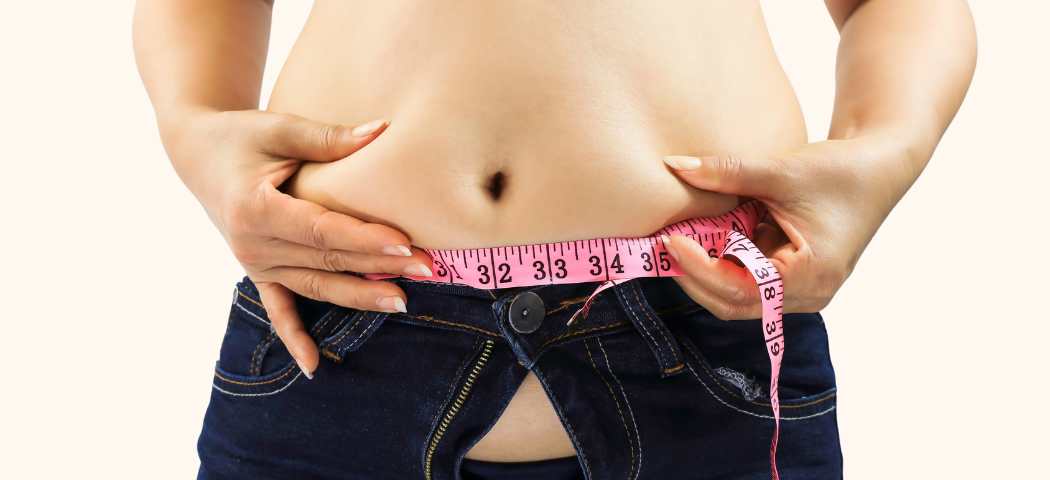
Menopause introduces a lot of shifts in a womanÔÇÖs life. From hormonal changes, and slow metabolism to menopause weight gain, many women have a hard time with their weight loss efforts.
With changes brought by menopause, understanding and adapting to a healthier lifestyle is key to any weight loss goal added with a dash of confidence, determination, and consistency to achieve it!
Where Menopausal Weight Gain Usually Occurs
- Abdomen and Waist: Hormonal changes during menopause often lead to an increase in visceral fat around the abdomen and waist. This type of fat is not only stubborn but also linked to a higher risk of heart disease and other health issues.
- Hips and Thighs: Menopausal hormonal changes can also lead to an increase in fat storage around the hips and thighs.
- Arms and Upper Back: Fluctuating hormones during menopause can accumulate fat in the arms and upper back, resulting in the dreaded ‘bat wings’ or flabby arms.
- Midsection and Love Handles: Hormonal changes and aging often result in fat accumulation around the midsection and love handles, affecting appearance and health.
Combat Strategies
- Diet and Exercise: Incorporate a balanced diet and regular exercise routine tailored to target problem areas.
- Stress Reduction: Practice stress-reducing techniques such as meditation, yoga, or deep breathing exercises.
- Better Sleep Quality: Ensure adequate and restful sleep to support overall health and weight management.
- Interval Training Exercises: Include interval training in your workout regimen to boost metabolism and burn fat effectively.
- Strength Exercises: Incorporate strength training exercises using resistance bands or weights to build muscle and tone problem areas.
- Swimming: Engage in swimming to target fat loss in the arms and upper back.
- Dumbbell Workouts: Perform dumbbell exercises to tone the arms and upper back.
- Pilates: Practice Pilates exercises to strengthen the core and target the midsection and love handles.
- Ab and Core Exercises: Include specific exercises targeting the abdominal muscles and core strength.
Wellness Tips From Experts
- Consistency is Key: Stay committed to your weight loss journey and lifestyle changes.
- Listen to Your Body: Pay attention to your body’s signals and adjust your approach as needed.
- Get Adequate Rest: Prioritize rest and recovery to support overall well-being.
- Seek Professional Guidance: Consult with healthcare professionals or wellness experts for personalized advice and support.
Your menopausal weight loss journey is a two-way street where both dietary and holistic lifestyle changes come together. With dedication and a holistic approach to wellness, menopausal weight loss becomes not just a goal, but a rewarding journey toward a healthier, happier you.
Talk to us today to learn more about how we can help you on your wellness journey!
5 Ways to Crush Cravings for Junk Food and Embrace a Healthier You!
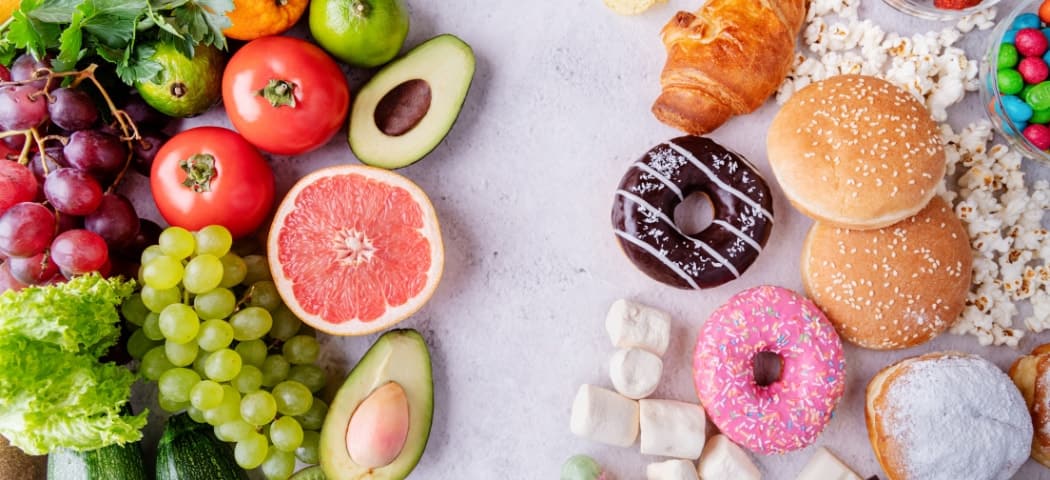
Are you constantly lured by the siren call of sugary treats or savory snacks? We get it ÔÇô cravings can be hard to resist! But fear not, because we’ve got your back with some fun and effective strategies to conquer those cravings and stay on track towards a balanced diet.
Champion a Balanced Diet
Let’s kick things off with a delicious dose of balance! Load up on nutrient-packed goodies like fruits, veggies, whole grains, lean proteins, and healthy fats. Your body will thank you for the nourishment, and those pesky cravings will start to lose their grip.
Nutrition Detective
Ever thought your cravings might be your body’s way of dropping hints? It’s true! Pay attention ÔÇô craving chocolate? Your body might be low on magnesium. Hankering for something salty? Time to up your mineral game with some sodium or potassium. Solve the mystery and satisfy those cravings by adding nutrient-rich foods to your menu.
Go Green with Plant Power
Ready to take your taste buds on a plant-powered adventure? Dive into a world of vibrant flavors with fruits, veggies, legumes, nuts, and seeds. These fiber-rich wonders will keep you feeling full and fabulous, while kicking cravings to the curb.
Bye-Bye, Fad Diets
Sayonara to those trendy diets that promise the moon but leave you craving the stars! Instead of hopping on the fad diet bandwagon, opt for a sustainable approach. Fill your plate with wholesome, minimally processed foods, and keep portions in check. It’s all about finding balance and banishing those cravings for good.
Mindful Eating Magic
Slow down, take a breath, and savor every bite! Mindful eating isn’t just about what you eat ÔÇô it’s about how you eat. Tune in to your body’s hunger cues, and give yourself permission to enjoy every mouthful. Before you know it, those cravings will fade away, and you’ll be one step closer to your health goals.
ItÔÇÖs good to know nowadays that we have these options to balance out our cravings and have better options for a healthier lifestyle.
Work towards your body goals! Start your journey with us by booking a consultation!
Super Simple Rules for Sustainable Healthy Eating

Set up a foolproof plan for lasting healthy eating habits! Fill your plate with a variety of colorful food, try plant-based diets, and plan your meals and snacks ahead of time.
LetÔÇÖs face it: while a lot of people may start off eating healthier with high hopes, these habits may not be sustained in the long run.
However, by setting up rules that support healthy eating, you can create a sustainable approach to nutrition that empowers you to reach your goals.
Rule #1: Fill your plate with colors!
A balanced diet involves consuming a variety of foods from all food groups, including fruits, vegetables, whole grains, lean proteins, and healthy fats.
Aim to fill your plate with a colorful array of nutrient-dense foods at each meal to ensure you’re getting a wide range of vitamins, minerals, and antioxidants.
HereÔÇÖs a quick breakdown of benefits associated with different color groups:
- Red: Red fruits and vegetables like tomatoes, red peppers, and watermelon are rich in lycopene, an antioxidant linked to heart health and reduced risk of certain cancers.
- Orange and Yellow: Carrots, sweet potatoes, and oranges offer a ton of beta-carotene which turns into vitamin A, supporting eye health and boosting the immune system.
- Green: Green veggies like spinach, kale, and broccoli contain chlorophyll, lutein, and zeaxanthin which all contribute to eye health and cellular protection.
- Blue and Purple: Blueberries, eggplant, and grapes are high in antioxidants called anthocyanins which help boost cognitive function and support heart health.
- White and Brown: Foods like garlic, onions, and mushrooms contain allicin and quercetin which have anti-inflammatory and immune-boosting properties.
Rule #2: Ditch processed foods by considering plant-based diets
A good way to enjoy minimally processed foods without thinking twice about which foods are processed is by going on a plant-based diet.
Plant-based diets, which focus on whole, minimally processed foods derived from plants, offer numerous health benefits and can support healthy eating habits.
Incorporating more plant-based meals into your diet can help increase your intake of fiber, vitamins, minerals, and antioxidants while reducing your consumption of animal products and processed foods.
Experiment with new recipes and ingredients to discover delicious plant-based meals that satisfy your taste buds and support your health goals.
Rule #3: Plan ahead of time.
Set yourself up for success by creating systems and routines that remove the temptations of eating too much processed food.
- Stock your kitchen with nutritious foods and convenient healthy snacks.
- Prep your meals and snacks ahead of time to help you control your food portions.
- Prioritize mindful eating practices.
By making healthy eating a priority and incorporating it into your daily routine, you can set yourself up for long-term success and enjoy the benefits of improved health and well-being.
Will you follow these super simple rules to sustain healthier eating?
Remember that small changes add up over time, so be patient with yourself and celebrate your progress along the way!
Need a personalized weight management program to stay on track with your nutrition, fitness, and lifestyle goals? Marie France offers just that!
We have a team of dedicated weight loss specialists who will guide you towards a healthier lifestyle.
Claim your consultation slot today by contacting us!
Beat Menopause Weight Gain for Healthy Aging
Menopause can bring about fluctuations in hormone levels and metabolism, making weight management a challenge. To combat menopause weight gain, eat a balanced diet, stay active, manage stress, and get adequate sleep.
The majority of women go through menopause typically from 45 to 55 years of age. Entering menopause comes with a host of changes, including fluctuations in hormone levels and metabolism.
One common concern for many women during this time is menopause weight gain which can become increasingly hard to manage due to hormonal shifts.
Factors That Contribute to Weight Gain During Menopause
Several factors contribute to weight gain during this time, such as:
- hormonal changes
- decreased muscle mass
- unbalanced diet
- physical activity levels
Additionally, medical conditions such as polycystic ovary syndrome (PCOS) and insulin resistance can further exacerbate weight gain during menopause.
Menopause Symptoms That Lead to Weight Gain
Menopause is characterized by a range of symptoms, including:
- hot flashes
- night sweats
- mood swings
- sleep disturbances
These symptoms can disrupt sleep patterns, increase stress levels, and lead to emotional eating or cravings for high-calorie foods, contributing to weight gain.
Additionally, fluctuations in hormone levels, particularly estrogen and progesterone, can affect metabolism and fat distribution, making it easier to gain weight, particularly around the abdomen.
Menopause and PCOS Weight Gain
PCOS is a hormonal disorder characterized by insulin resistance, which can lead to weight gain, particularly around the abdomen.
Women with PCOS are also more prone to developing metabolic complications such as type 2 diabetes, further increasing the risk of weight gain and related health issues during menopause.
But donÔÇÖt panic just yet! ItÔÇÖs never too late to start leading a healthier life.
HereÔÇÖs how to beat menopause weight gain
- Eat a Balanced Diet: Consume a balanced diet rich in fruits, vegetables, whole grains, lean proteins, and healthy fats. Eat less processed foods and sugary snacks.
- Stay Active: Aim for at least 150 minutes of moderate-intensity exercise or 75 minutes of vigorous-intensity exercise per week, including both cardio and resistance training.
- Manage Stress: Practice stress management techniques such as mindfulness meditation, deep breathing exercises, or yoga to reduce stress levels.
- Get Adequate Sleep: Get 7-9 hours of sleep per night, and establish a regular sleep schedule to promote better sleep quality and consistency.
- Seek Medical Support: If you’re struggling to manage weight during menopause, consider seeking support from a healthcare professional, such as your doctor or our weight loss specialists at Marie France. They can provide personalized guidance, monitor your progress, and recommend appropriate interventions to support weight loss and overall health.
- Address Underlying Medical Conditions: If you have medical conditions such as PCOS or insulin resistance that contribute to weight gain, work with your healthcare provider to manage these conditions effectively.
LetÔÇÖs beat menopause weight gain together!
Remember that every woman’s experience with menopause is unique, so it’s essential to seek personalized support as needed. Our team of weight loss specialists at Marie France can help you effectively manage your weight despite hormonal and metabolic changes that come with menopause.
Book a consultation today for a personalized weight loss program.
The Link Between PCOS and Weight Gain: Understanding PCOS Symptoms
Studies say that 80% of women of different ages are affected by Polycystic Ovary Syndrome or PCOS. This is a hormonal disorder that often leads to a range of symptoms including hormonal imbalance effects such as weight gain.
If you experience PCOS or know someone whoÔÇÖs going through it, you might find this article helpful as we talk about how PCOS affects weight gain.
What is PCOS?
PCOS is a hormonal disorder characterized by enlarged ovaries containing small cysts. While the exact cause of PCOS is unknown, it is believed to involve a combination of genetic and environmental factors.
Women with PCOS often experience:
- irregular menstrual cycles
- excess androgen levels
- cysts on the ovaries.
PCOS can also lead to various metabolic and reproductive complications including:
- Weight gain
- Insulin resistance
- Infertility
- Increased risk of type 2 diabetes and cardiovascular disease
How PCOS and Weight Gain are Connected
The hormonal imbalances associated with PCOS, including elevated levels of insulin and androgens, can contribute to weight gain and difficulty losing weight. Insulin resistance, a common symptom of PCOS impairs the body’s ability to regulate blood sugar levels, leading to increased fat storage and weight gain, particularly around the abdomen.
Symptoms of PCOS
In addition to weight gain, PCOS has a wide range of symptoms that can impact overall health and well-being. Some common symptoms of PCOS include:
- Irregular Menstrual Cycles
- Excess Androgen Levels
- Ovarian Cysts
- Insulin Resistance
- Excess Hair Growth
- Acne Issues
Managing PCOS and Weight Gain
Here are ways you can manage PCOS and weight gain healthily:
- Balanced Diet: Adopting a balanced diet rich in fruits, vegetables, whole grains, lean proteins, and healthy fats can help regulate blood sugar levels and support weight management.
- Regular Exercise: Get your body moving with regular exercise essential for promoting weight loss and improving insulin sensitivity. Aim for at least 150 minutes of moderate-intensity exercise per week, such as brisk walking, swimming, or cycling.
- Medication: In some cases, medication may be prescribed to help regulate menstrual cycles, lower androgen levels, and improve insulin sensitivity. Common medications for PCOS include oral contraceptives, anti-androgen medications, and insulin-sensitizing drugs such as metformin.
- Weight Loss: Achieving and maintaining a healthy weight is important for managing PCOS symptoms and reducing the risk of complications. Even modest weight loss of 5-10% can improve insulin sensitivity, regulate menstrual cycles, and reduce symptoms of PCOS.
- Stress Management: Chronic stress can exacerbate hormonal imbalances and contribute to weight gain. Practicing stress-reduction techniques such as meditation, yoga, or deep breathing exercises can help manage stress levels and support overall health.
With PCOS, it’s essential to consult with a healthcare professional for proper evaluation and management. With the right support and treatment, women with PCOS can also lead healthy, fulfilling lives.
Looking for holistic weight loss guidance from trusted experts? Book a consultation today at Marie France!
Menopause SOS: How to Spot and Manage Symptoms!

Menopause is one of the most significant transitions of a womanÔÇÖs life. From getting periods every month to completely stopping once you hit menopause, itÔÇÖs a change that either acts as a cause for celebration or source of frustration.
While itÔÇÖs only natural to experience this, a variety of physical and hormonal imbalance effects are set to impact oneÔÇÖs health and well-being. In this article, weÔÇÖll explore the common symptoms of menopause and how we can manage them.
Menopause 101: The Basics
So what exactly is menopause? Menopause typically occurs between the ages of 45 and 55ÔÇôbut can vary for some individuals. It’s like your bodyÔÇÖs way of hitting the pause button on your monthly cycle. Your period stops for 12 consecutive months which is a sign that a woman’s menstrual cycles and fertility ends. ItÔÇÖs part of the aging process, where changes in hormone levels happen, including a decline in estrogen and progesterone production.
Common Symptoms of Menopause
Hot Flashes
Affecting 75% of women, hot flashes are warm flushes that cause sweating and palpitations. ItÔÇÖs one of the most common symptoms and can be mild or severe and occurs multiple times throughout the day and night, disrupting sleep and daily activities.
Night Sweats
Episodes of night sweats occur during sleep, accompanied by feelings of heat and discomfort. Like hot flashes, night sweats can disrupt sleep patterns and beauty rest and often lead to fatigue and irritability.
Mood Swings
From tears to tantrums in a blink of an eye? Well, menopause leads you to mood swings and irritability which you have no control over! Many women experience heightened emotional sensitivity during this time, mixed with feelings of sadness, anxiety, or depression.
Weight Gain
Gaining weight with menopause is a common thing. Hormonal changes and a sluggish metabolism can make the scale creep upwards, especially around the midsection.
Insomnia
Hard time falling or staying asleep? Waking up too early? These are just some common sleep disturbances that menopause delivers as hormonal changes disrupt sleeping patterns which contribute to insomnia during menopause.
Managing Symptoms of Menopause
Hormone Replacement Therapy (HRT)
These are medications that contain estrogen and sometimes progesterone to replace hormones that are declining during menopause. It helps alleviate symptoms such as hot flashes, night sweats, and vaginal dryness, but it may not be suitable for everyone and should be used under the guidance of a healthcare provider.
Change your Lifestyle
Help relieve some symptoms by having a balanced diet, staying active, managing stress and avoiding smoking and excessive alcohol consumption.
Dietary Supplements
Some women find relief from menopause symptoms by taking dietary supplements such as black cohosh, soy isoflavones, or vitamin E. However, it’s essential to talk to a healthcare provider before starting any new supplement regimen to ensure safety and effectiveness.
Seeking Support
Talk to friends, family members, or a support group that can provide emotional support and validation during this transitional period. Sharing experiences and coping strategies with others going through menopause can be empowering and reassuring.
Every woman’s experience of menopause is unique, and it’s important to work closely with a healthcare expert to develop a personalized treatment plan that meets your individual needs and preferences alongside the support of your loved ones.
Interested how Marie France can help you on your body journey? Message us for a consultation today!
Get to Know the Lifestyle Changes You Need for Sustainable Weight Loss

ICYMI: Weight loss results from quick-fix diets and intense workout regimens donÔÇÖt last you very long! For sustainable weight loss, you need exercise, a balanced diet, proper stress management, and a supportive environment!
Sustainable weight loss requires more than just temporary changes; it requires a shift in lifestyle habits that promote overall health and wellness.
So what do you need to do to lose weight sustainably? LetÔÇÖs get right into it!
1. Find a workout you can do long-term
ItÔÇÖs the consistency that matters!
Exercise is a crucial aspect of any weight loss journey, but it’s about more than just burning calories.
Regular physical activity helps build lean muscle mass, boosts metabolism, and improves overall fitness levels.
Incorporating exercise into your daily routine not only supports weight loss but also:
- enhances your mood
- reduces stress levels
- promotes overall health and wellness
Whether it’s going for a brisk walk, hitting the gym, or practicing yoga, find physical activities that you enjoy and can sustain over time.
HereÔÇÖs a list of exercises for people who donÔÇÖt like working out:
- Brisk Walking
- Hiking
- Cycling
- Swimming
- Dancing
- Yoga
- Pilates
- Rowing
- Bodyweight Exercises
- Jump Rope
- Kickboxing
- Interval Training
How long do you need to exercise, you ask? Aim for at least 30 minutes of moderate-intensity activity most days of the week.
2. Practice a healthier and more mindful lifestyle
On top of exercise, prioritizing health and wellness in all areas of your life is just as essential.
Studies have shown that inadequate sleep can disrupt hormones that regulate appetite, leading to increased hunger and cravings for unhealthy foods like junk food, fast food, and other heavily processed food.
By prioritizing sleep and aiming for 7-9 hours of quality rest each night, you can support your weight loss efforts and improve overall health.
Aside from good sleep hygiene, practice eating a balanced diet rich in fruits, vegetables, whole grains, and lean proteins and staying hydrated by drinking plenty of water throughout the day.
Here are simple ways to trick your brain into drinking more water and eating healthier food throughout the day:
- Infused Water: Enhance the taste of hydration by creating flavored water infused with fruits, herbs, and vegetables.
- Healthy Food Within Reach: Keep healthy foods within sight and easy reach. Likewise, hide your junk food!
- Meal Prep: Plan and prepare meals in advance to make eating healthier and more convenient.
3. Manage your stress levels
Stress can be a significant barrier to weight loss, as it can lead to:
- emotional eating
- cravings for high-calorie foods
- decreased motivation to exercise
Finding daily stress-reduction techniques such as mindfulness meditation, deep breathing exercises, or spending time in nature can help lower stress levels and support your weight loss goals.
4. Surround yourself with a supportive environment
ItÔÇÖs true that having a strong support system can make a world of difference on your weight loss journey.
Find accountability, motivation, and encouragement in:
- Weight loss support groups
- Friends and family
- A healthcare professional
- A personal coach
- Marie France
5. Meet the marie france team
If you need a supportive partner to help you achieve sustainable weight loss, Marie France can offer just that!
We understand that achieving sustainable weight loss isnÔÇÖt just about shedding pounds, but about transforming your habits and mindset.
Why Marie France is Your Best Partner for Sustainable Weight Loss:
- Personalized guidance from experienced specialists
- Tailored solutions for sustainable results
- A holistic approach to address your current lifestyle, health condition, and diet
Sustainable weight loss goes beyond fad diets and quick fixes, thatÔÇÖs why our comprehensive programs focus on long-term lifestyle adjustments.
Book a consultationtoday for a sustainable weight loss plan personalized just for you!
Achieving Weight Loss Without Exercise: Exploring Non-Invasive Options in the Philippines
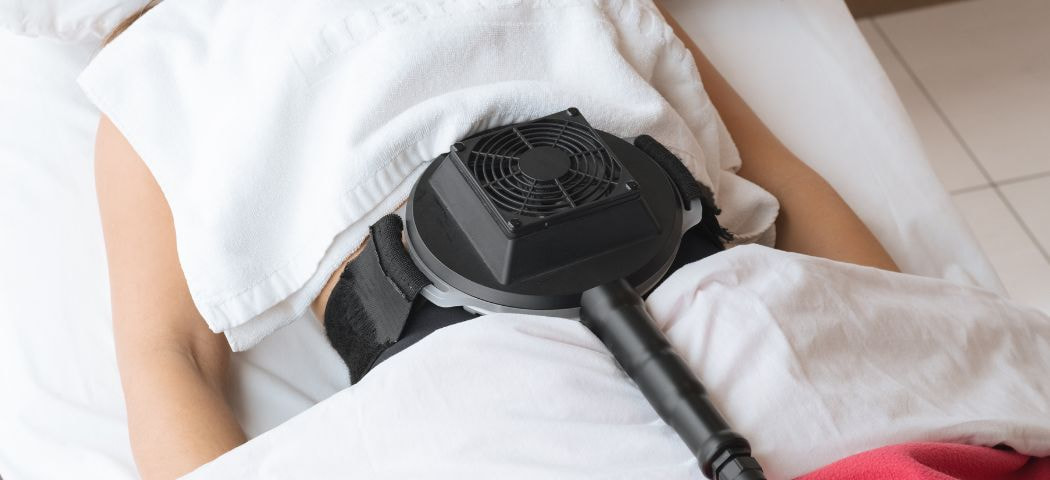
HereÔÇÖs how to remove fats in the body without exercise: try non-invasive fat loss treatments in the Philippines like the Tesla Body Former, Physique Inch Loss, and FMS Elite.
Although exercise is always encouraged, if itÔÇÖs not feasible for you, what are your other effective weight loss alternatives?
There are non-invasive options available in the Philippines that can help you achieve your weight loss goals without the need for strenuous physical activity.
What is Non-Invasive Fat Removal?
Non-invasive fat removal techniques offer a safe and effective way to target stubborn fat deposits without the need for surgery or downtime.
These treatments utilize advanced technology to destroy fat cells and contour the body.
Unlike traditional surgical procedures such as liposuction, non-invasive fat removal treatments are generally painless and require minimal recovery time, making them suitable for individuals with busy lifestyles or those looking for less invasive alternatives.
Non-Surgical Fat Removal Options
- Tesla Body Former
Not only do you burn fat during this treatment, but you also gain muscle density, volume, and strength.┬áIt uses Functional Magnetic Stimulation technology to simulate 50,000 crunches in your inner core.┬áIs the treatment painful? No. One session of this may feel like a localized workout. YouÔÇÖll feel like your muscles contract and release at different intervals.Each session per targeted area takes 30 minutes only!
- Physique Inch Loss
Like the Tesla Body Former treatment, Physique Inch Loss stimulates muscles in the abdomen, flanks, and back.This treatment also firms up sagging areas and tones muscles.Using the Trans Epidermal Nerve Stimulation technology, one session equates to the effect of 255 sit-ups!Is the treatment painful? Not at all. You can get the results of 225 sit-ups while lying down comfortably. A single session takes 15 minutes only!
- FMS Elite
The Fat Mobilization System Elite accelerates your bodyÔÇÖs natural biochemical processes that help you burn fat.┬áIt facilitates your bodyÔÇÖs production of certain enzymes that allow you to burn as much as 1,000 calories in one session.Is the treatment painful? No. This treatment uses cooled pads and lowers your body temperature so you may feel cold but only for a short amount of time.One session takes 30 minutes only. Fat loss can last 24-48 hours post-session!
Weight Loss Without Exercise: Other Tips and Strategies
With or without exercise, letÔÇÖs try to adopt other healthy lifestyle habits to support long-term weight loss and maintenance.┬á
Here are some tips and strategies for achieving weight loss without exercise:
- Follow a Balanced Diet: Focus on consuming a balanced diet rich in fruits, vegetables, lean proteins, and whole grains.
Limit your intake of:
- processed foods
- sugary snacks
- high-fat foods
- Stay Hydrated: Drink plenty of water throughout the day to stay hydrated and support proper digestion and metabolism.
Opt for water instead of sugary beverages or alcohol to reduce calorie intake.
- Practice Portion Control: Pay attention to portion sizes and avoid overeating.
Use smaller plates and bowls to help control portion sizes and prevent overindulgence.
You can also try to pre-portion your meals by practicing meal prepping!
ÔÇÄ ÔÇÄ ÔÇÄ ÔÇÄ ÔÇÄ ÔÇÄ ÔÇÄ ÔÇÄ ÔÇÄ ÔÇÄ ÔÇÄ ÔÇÄ ÔÇÄ ÔÇÄ ÔÇÄ ÔÇÄ ÔÇÄ ÔÇÄ
Book a Consultation with Marie France
You can achieve the benefits of a workout with our non-invasive treatments like the Tesla Body Former, Physique Inch Loss, and FMS Elite!
If you want to target specific areas of your body, feel free to let us know! Our Slimming Consultants will create your personalized weight loss program based on your goals, lifestyle, and diet. Book a consultation now!