From Start to Sustain: A FilipinoÔÇÖs Guide to GLP-1 Weight Loss and Aftercare
If youÔÇÖve been exploring ways to lose weight, chances are youÔÇÖve come across the term ÔÇ£GLP-1ÔÇØ.
From doctorsÔÇÖ clinics to social media, GLP-1 medications like Ozempic, Wegovy, and Mounjaro have sparked a global conversation about modern weight management. Originally designed to manage type 2 diabetes, these medications have quickly made their way into the spotlight for their effective appetite-suppressing, slimming effects.
As more people turn to GLP-1s as a weight loss solution, thereÔÇÖs also growing awareness around what these treatments do (and donÔÇÖt do) for the body. WeÔÇÖve often asked: Is GLP-1 safe? How does it work? And what happens once youÔÇÖve lost the weight?
LetÔÇÖs break it all down.
Meet GLP-1
GLP-1 or glucagon-like peptide-1, is a hormone naturally produced by the body. It plays a key role in regulating blood sugar levels and signaling the feeling of fullness after you eat.
GLP-1 receptor agonists mimic this hormone. When taken regularly, they help slow digestion, reduce hunger cues, and lower calorie intake. This is what makes them effective in aiding weight loss, especially in people who have struggled with other methods in the past.
These medications include Semaglutide (sold under brand names like Ozempic and Wegovy), Liraglutide (Saxenda), and Tirzepatide (Mounjaro), typically taken weekly via injection, or depending on the prescription.
The science behind the weight loss
GLP-1s target key receptors in the gut and brain that regulate appetite and digestion. They help people feel full faster and stay full longer, often leading to a significant drop in food intake.
In a clinical study published in the New England Journal of Medicine (2021), participants taking semaglutide lost an average of 15% of their body weight over 68 weeks, far more than those in the placebo group.
For many, GLP-1 can be life-changing. But like any treatment, itÔÇÖs not without its limitations.
The benefits and the trade-offs
ThereÔÇÖs no denying that GLP-1s can be effective in jumpstarting weight loss. For individuals dealing with obesity or weight-related health conditions, these medications can make
measurable improvements in someoneÔÇÖs physical and psychological well being.
But it doesnÔÇÖt work like magic. While the scale may go down, whatÔÇÖs being lost isnÔÇÖt just fat. GLP-1 users can also experience loss of muscle mass, especially if strength training and protein intake arenÔÇÖt optimized. And because rapid weight loss can leave the skin with less time to adjust, skin laxity can become more noticeable, particularly around the arms, stomach, or face.
ItÔÇÖs also worth noting that the effects of GLP-1s stop once the medication is discontinued. Without a structured plan, some people may regain weight or struggle to maintain the new habits long term.
Side effects like nausea, bloating, or fatigue are also fairly common, though manageable with the guidance of a healthcare provider.
What comes after weight loss?
GLP-1s can help you lose weight, but maintaining your results go beyond the scale. When the weight comes off, your body enters a new phase that needs a new kind of care. Restoring muscle, tightening the skin, and supporting metabolic health help keep the pounds off and the body maintained.
Marie France Supports Your Journey Beyond Slimming
GLP-1 medications can be life-changing, but theyÔÇÖre not a complete solution on their own. Marie France will support you through what comes next.
Our holistic wellness programs help your body adapt by rebuilding strength, refining contours, and helping you feel more confident.
These personalized programs are designed for individuals currently using GLP-1s or have already achieved weight loss and are ready to take the next step. With science-backed treatments that firm the skin, technologies that rebuild and tone muscle, and consistent expert service, we help turn temporary results into lasting changeÔÇösafely and sustainably.
GLP-1 and Weight Loss in the Philippines: What to Know Before, During, and After
If youÔÇÖre exploring science-backed ways to lose weight in the Philippines, youÔÇÖve likely come across GLP-1 weight loss injections. From doctorÔÇÖs offices to TikTok, GLP-1 medications like Ozempic, Wegovy, and Mounjaro have become household names for modern weight lossÔÇöand for good reason.
Originally developed to treat type 2 diabetes, GLP-1 receptor agonists are now widely used in medical weight loss programs due to their ability to suppress appetite, regulate blood sugar, and support long-term weight loss. But how do they actually work? Are they safe? And what happens after the weight comes off?
LetÔÇÖs break it down for those considering GLP-1 treatments in the Philippines.
What Is GLP-1?
GLP-1 stands for glucagon-like peptide-1, a natural hormone in your body that helps regulate blood sugar and signals fullness after eating.
GLP-1 medicationsÔÇölike Semaglutide (Ozempic, Wegovy), Liraglutide (Saxenda), and Tirzepatide (Mounjaro)ÔÇöare synthetic versions of this hormone. TheyÔÇÖre usually taken through weekly injections and are proven to help reduce appetite, slow digestion, and lower calorie intake, all of which contribute to sustainable weight loss.
How GLP-1 Medications Work for Weight Loss
These medications target receptors in the gut and brain responsible for satiety and appetite control. People using GLP-1 in the Philippines report feeling fuller, fasterÔÇöand for longerÔÇömaking it easier to eat less without extreme diets.
A landmark study published in the New England Journal of Medicine (2021) showed that participants on semaglutide lost up to 15% of their body weight in 68 weeksÔÇösignificantly more than those on a placebo.
Benefits of GLP-1 Weight Loss Treatments
- Clinically proven for weight loss
- Especially beneficial for those with obesity or metabolic syndrome
- Can lead to improvements in cholesterol, blood pressure, and insulin sensitivity
- Helps overcome weight loss plateaus or failed attempts with traditional diets
Side Effects and What to Watch Out For
While GLP-1 injections in the Philippines are growing in popularity, they arenÔÇÖt a quick fix.
Common side effects include:
- Nausea and bloating
- Fatigue or dizziness
- Digestive discomfort
These are typically manageable with medical supervision, but the real concern lies in muscle loss and skin laxity. Without proper strength training and post-weight-loss care, users may notice sagging skin and a drop in muscle tone.
And yesÔÇöonce you stop taking GLP-1, the benefits may stop too. Weight regain is possible if thereÔÇÖs no plan for long-term maintenance.
After GLP-1: Post-Weight Loss Support Matters
GLP-1 can help shed pounds, but keeping them off requires a new strategy. Once your body hits your goal weight, the focus must shift to:
- Muscle rebuilding
- Skin tightening
- Metabolic health maintenance
Without these, your results may be temporary.
Marie France: Your Partner Beyond Slimming
At Marie France Philippines, we support your full weight loss journey, especially after GLP-1. Our holistic wellness programs are tailored to your body, whether you’re currently on GLP-1 or already achieved your goal weight.
We offer:
- Science-backed body firming treatments
- Non-invasive technologies that tone and build muscle
- Expert-guided wellness plans personalized for your needs
With consistent care and professional support, we help ensure your results lastÔÇösafely, sustainably, and confidently.
Compounded GLP-1 vs Branded: What Filipinos Should Know Before Starting Treatment
GLP-1 in the Philippines
Several GLP-1 options are now available in the Philippines. Only a select few, however, are officially approved by the Philippine Food and Drug Administration (FDA). These are branded medications prescribed by licensed doctors and dispensed by registered pharmacies. Among them, Liraglutide (Saxenda) and Wegovy (Semaglutide) are specifically approved for weight management in individuals who are overweight or obese, while Semaglutide (Ozempic) is approved for type 2 diabetes but may also support weight loss in some patients. Lately, compounded versions of GLP-1 have also entered the market. While they offer a more accessible alternative, they come with fewer safeguards. For Marie France clients considering GLP-1, understanding the difference between FDA-approved and compounded options is essential to making a safe, informed decision.
Prescribed GLP-1 vs Compounded GLP-1
With demand growing and limited supply of brand-name medications, compounded GLP-1 formulations are gaining attention in the Philippines. These are custom-made by compounding pharmacies using active ingredients designed to mimic the effects of FDA-approved GLP-1 drugs.
HereÔÇÖs the key difference: Compounded GLP-1 is not evaluated or approved by the Philippine FDA. That means it doesnÔÇÖt go through the same rigorous checks for safety, dosage accuracy, or ingredient purity.
The Risks vs. Reward
ThereÔÇÖs no denying the appeal of compounded GLP-1. It can be more affordable and, in some cases, the only available option when branded medications are out of stock. Under proper medical supervision, some doctors do prescribe it.
However, itÔÇÖs important to weigh the potential risks:
- Inconsistent formulation or incorrect dosage
- Possible impurities or contaminants
- Lack of formal clinical testing
- Unknown long-term effects
If you’re considering a compounded version, do so only with the guidance of a licensed medical professionalÔÇöand be vigilant when purchasing Compounded GLP-1 online.
Sustain your Progress with Marie France
Whether youÔÇÖre prescribed an FDA-approved GLP-1 or a compounded version under professional care, one thing is clear: medication is just one piece of the puzzle.
At Marie France, we take a holistic approach to safe weight loss treatments in the Philippines. That means expert consultations, advanced slimming treatments, tailored nutrition guidance, and sustainable lifestyle supportÔÇöso you donÔÇÖt just start your transformation, you stay on track for the long haul.
GLP-1 injections may be the catalyst. But itÔÇÖs the care, consistency, and commitment of Marie France that turns short-term change into lasting results.
The Skinny on GLP-1 and Your Skin
YouÔÇÖve heard the success stories, maybe youÔÇÖre living one yourself. GLP-1 medications like Ozempic and Mounjaro have reshaped weight loss, offering real results where other methods may have failed. But as the numbers drop on the scale, another story begins to surface: unexpected changes in the skin.
From facial volume loss to sagging, dryness, and a look that feels less vibrant than expected, rapid weight loss can take a visible toll when it happens faster than the skin can adapt. Terms like ÔÇ£Ozempic faceÔÇØ or ÔÇ£Ozempic buttÔÇØ have made headlines, but they only scratch the surface of whatÔÇÖs really happening beneath.
At Marie France, we go beyond slimming For Every Body. We help you tighten and firm your shape, and feel as confident in the mirror as you do in your clothes. We support your transformation from the inside out.
The Trade-Offs of Rapid Weight Loss
While GLP-1 medications are effective for reducing body fat, the speed and scale of fat loss can create a ripple effect, particularly on your skin. Our skinÔÇÖs firmness relies on a supportive matrix of fat, collagen, elastin, and underlying muscle. When weight is lost too quickly, especially without concurrent skin and muscle support, these structures can weaken or collapse. Many experience sagging in areas like the arms, thighs, abdomen, or face. You may also notice a more drawn or tired appearance, often called ÔÇ£Ozempic face,ÔÇØ a result of facial fat depletion combined with collagen decline.
The Consequence: Muscle Mass Loss
Another often-overlooked consequence of fast weight loss, especially through calorie restriction or semaglutide use, is the loss of lean muscle mass. When your body is in a calorie deficit, it doesnÔÇÖt just burn fat; it can also break down muscle, unless actively preserved through proper guidance, resistance training, and proper protein intake.
This matters not only for strength and metabolism, but also for skin health. Muscles provide scaffolding beneath the skin, keeping it lifted and firm. When muscle mass decreases, skin can appear loose, and jowls, nasolabial folds, and under-eye hollows, become more pronounced.
But the effects go deeper than skin. Studies have shown that the loss of muscle and the reduction in mechanical load on bones during rapid weight loss can also lead to trabecular bone loss, increasing the risk of fractures over time. Simply put, when your muscles shrink and aren’t putting as much stress on your bones, your bones respond by becoming weaker.
Why Skin Sags Faster During Rapid Weight Loss
Weight loss-induced skin changes arenÔÇÖt just about volume loss. A drop in nutrient intake, a common side effect with appetite-suppressing GLP-1s, can lead to lower levels of vitamins like A, C, E, zinc, and omega fatty acids. The result? Dullness, dryness, inflammation, and delayed repair. Combined with collagen breakdown and gravity, itÔÇÖs a fast track to visible sagging even when the rest of your body is getting leaner.
Common Concerns During GLP-1 and Drastic Weight Loss:
- Sagging skin on the jawline, stomach, arms, and thighs
- Hollow cheeks, sunken eyes, and a gaunt facial appearance
- Fine lines and wrinkles that appear more defined
- Loss of skin elasticity as collagen production slows
- Muscle loss contributes to bone density loss
How to Maintain Your Shape While on GLP-1 or Other Methods
The key is proactive, integrated care. At Marie France, we support our clients with holistic programs that work in tandem with skin-firming and muscle-preserving solutions, so your weight loss doesnÔÇÖt come at the expense of your skinÔÇÖs youthfulness.
HereÔÇÖs how to protect your skin while on GLP-1 weight loss:
- Support skin tightening during weight loss. Treatments like Endermologie+ and Thermo Magnetic Pulse help stimulate collagen and firm the stubborn areas.
- Prioritize muscle tone. Whether through guided strength training or passive muscle activation technologies like Tesla and Celluform, preserving lean mass helps prevent sagging and maintains healthy metabolism.
- Stay hydrated and nourished. Work with your doctor or nutritionist to ensure you’re getting enough protein, essential fats, and skin-healthy micronutrients.
Strong Transformations
Ozempic, semaglutide, and other GLP-1 medications are powerful tools in the wellness space, but they werenÔÇÖt designed to protect your skin, preserve contours, or boost your confidence.
Our holistic, medically guided approach helps you slim down safely while supporting skin, muscle, and self-image. Because we know that true transformation goes beyond the scale: itÔÇÖs how you look, how you feel, and how confidently you carry yourself.
Goodbye Bloating, Hello Apple Cider Vinegar!
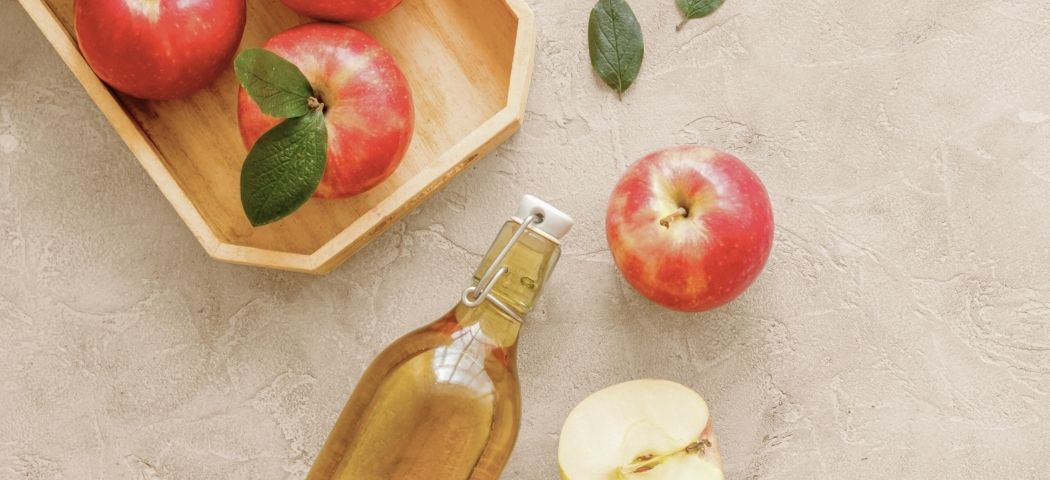
Feeling Bloated? Here’s How Apple Cider Vinegar Helps You Feel Lighter
ThereÔÇÖs nothing quite like the discomfort of a bloated belly. You button up your jeans, realizing your body is staging a full-on protest. Bloating can feel like carrying a balloon in your gutÔÇöand it often strikes at the worst times: post-lunch at work, during date night, or just when you want to feel confident and comfortable in your body.
If youÔÇÖve scrolled through TikTok or wellness blogs, chances are youÔÇÖve seen claims about apple cider vinegar for bloating hailed as a miracle remedy. But does it work? And more importantly, how can you pair this kitchen staple with science-backed treatments to finally feel lighter fast? LetÔÇÖs break it down.
Why You Feel Bloated (Spoiler: ItÔÇÖs Not Just What You Eat)
Bloating isnÔÇÖt always about that extra slice of pizza. ItÔÇÖs often the result of:
- Sluggish digestion
- Fluid retention
- Gut imbalances (hello, gas and indigestion!)
- Poor lymphatic drainage
When your digestive and lymphatic systems arenÔÇÖt in sync, your body can hold onto excess water, gas, and waste, leaving you feeling puffy and weighed down.

How Apple Cider Vinegar (ACV) May Help
Some believe in the benefits of apple cider vinegar for digestion, and research is ongoing. While not a cure-all, it may offer supportive benefits:
-  May support digestion  Acetic acid is believed to help increase stomach acid production for better food breakdown.
-  May ease gas & bloat  Helps with carbohydrate breakdown, which could reduce fermentation.
-  May balance gut bacteria  Raw, unfiltered ACV may contain probiotics to support the microbiome.
-  May help reduce water retention  Thought to act as a mild diuretic.
-  May support metabolism  Some suggest it enhances fat-burning efficiency.
-  May help regulate blood sugar  Can assist in stabilizing post-meal sugar spikes.
-  Promotes satiety  May reduce the likelihood of overeating.
-  Has antioxidant properties  May help calm gut-related inflammation.
ƒÜ¿ Medical Disclaimer: Always consult your doctor before starting ACV, especially if you have existing health conditions or take medication.
How to Take It Safely
ACV is potentÔÇöhandle with care.
- Mix 1 tablespoon with a glass of water.
- Sip before meals (with a straw!) to protect your enamel.
- Start with 1 teaspoon/day and increase gradually.
- Avoid taking it on an empty stomach if you have reflux.
- Rinse your mouth after to neutralize the acid.
Consistency is key. But hereÔÇÖs the secret: ACV may support digestion best when combined with lifestyle changes and Marie France treatments.

For Lasting Results: Pair ACV with Endermolologie+ 
Apple cider vinegar may work internally, but what if you could double down with external support to reduce bloating and fluid retention?
Endermologie+ is a science-backed, non-invasive treatment available at Marie France.
Endermologie+ is a globally renowned technique that uses mechanical rollers and suction to stimulate skin and underlying tissues. ItÔÇÖs like a deep, targeted massageÔÇöbut smarter.
Why It Works
- ƒÆº Boosts lymphatic drainage ÔÇô Helps move trapped fluids and toxins out of the body.
- Լ崩ÅSupports fat breakdown (natural lipolysis) ÔÇô Helps mobilize stored fat for elimination through the body’s metabolic and lymphatic systems
- Ô£¿ Targets and smoothens areas ÔÇô Endermologie+ uses rolling, suction, and pulsing movements to loosen deep fat cells for tighter, smoother skin
Unlike treatments designed for deeper fat deposits, Endermologie+ is ideal for targeting water retention and mild bloating, especially in the abdominal area.
Other Bloat-Busting Habits to Adopt
To beat the bloat and keep it away, consider these habits:
- Drink water throughout the day (not just at meals)
- Move your bodyÔÇölight walks or stretching work wonders.
- Limit processed foods and carbonated drinks.
- Avoid chewing gum (it causes air swallowing).
- Eat slowly and chew thoroughly.
- Prioritize fiber-rich foods for smoother digestion.
When to Seek the Experts
If youÔÇÖre constantly feeling bloatedÔÇöeven when youÔÇÖre eating cleanÔÇöit might be time to look beyond the kitchen.
At Marie France, our holistic approach means we donÔÇÖt just treat symptomsÔÇöwe uncover what your body needs. Treatments like Endermologie+ work harmoniously with your natural systems to support long-term wellness, not just temporary relief.
ƒÆ½ Gentle. Holistic. Transformative. Because feeling good is For Every Body.┬á
Ready to reclaim comfort and confidence?
Book a Consultation today and take the first step toward a lighter, healthier you.
5 Simple Diet Changes to Lose Weight Without Exercise
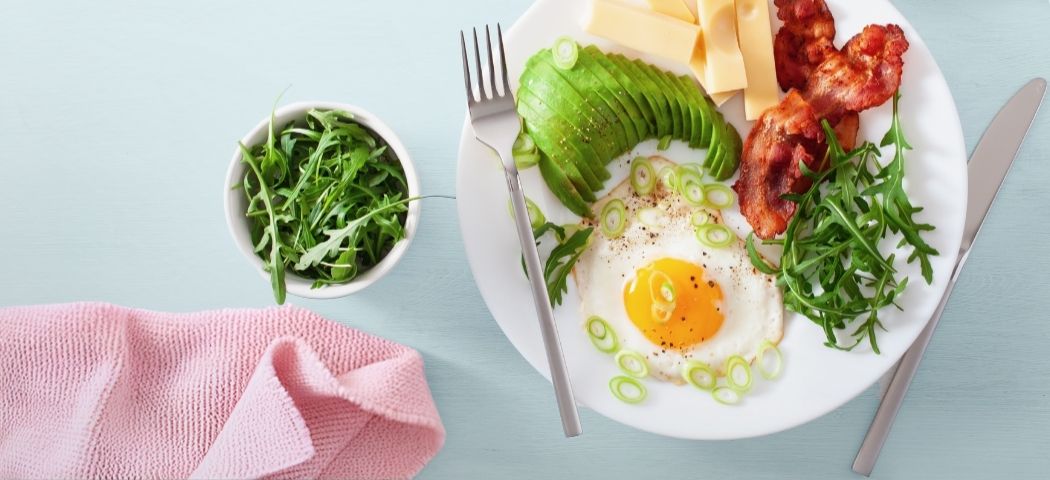
Lose Weight on Autopilot: 10 Simple Diet Upgrades
Life gets busy, and sometimes squeezing in gym time feels impossible! Juggling work, family, and personal commitments can leave little room for squats and cardio. But hereÔÇÖs the uplifting truth: you can still lose weight without exercise! The key lies in your everyday food choices. With a few intentional adjustments, you can fuel your body in a way that promotes weight loss naturally, without depriving yourself or feeling constantly restricted.
Healthy living isnÔÇÖt about punishing your body or obsessing over every calorieÔÇöitÔÇÖs about creating habits that help you feel good inside and out. Because at Marie France, we believe in empowerment over extremes. For Every Body!

Here are ten (10) simple, sustainable diet tweaks to help you on your transformation journey, exercise-free:
1. Prioritize protein power
Protein keeps you full, curbs cravings, and maintains muscle. A Journal of Clinical Nutrition study showed that increasing protein intake boosts metabolism and reduces appetite. Start your day with eggs instead of a sugary pastry, or swap white rice for quinoa. 56
2. Be besties with fiber!
Fiber slows digestion, stabilizes blood sugar, and helps prevent energy crashes. Pair it with hydration for even better results. Sprinkle chia seeds on breakfast or snack on almonds instead of chips. 34
3. Always stay hydrated
Dehydration can mimic hunger, leading to unnecessary snacking. An eight-week study found that drinking two cups of water before meals led to weight loss without other changes. Infuse your water with lemon or cucumber for variety and sip smart all day. 4
4. Cut down on liquid calories
Sodas, sweetened coffees, and fruit juices can sneak in hundreds of empty calories. Research shows that cutting these can lead to weight loss ranging from 0.4 to 8.8 kg. You can swap soda for sparkling water and enjoy your coffee black or with almond milk. 3
5. Eat mindfully, not mindlessly!
Rushed meals and screen time at the table encourage overeating. A 2019 Nutrients study found that mindful eaters tend to weigh less and have a healthier relationship with food. Slow down, savor each bite, and set your fork between chews. 4
6. Incorporate healthy fats in your diet
Healthy fats like avocado, olive oil, nuts, and salmon support satiety and blood sugar balance. The Journal of Clinical Nutrition confirms their role in curbing hunger. Ditch low-fat processed snacks in favor of whole, nutrient-dense options.  5
7. Reduce ultra-processed food
Highly processed food includes sugar, sodium, and preservatives that disrupt weight control. Cooking at home and choosing whole ingredients can lead to more effective, sustainable fat loss. 6
8. Do portion control
Even healthy food can add up. Using smaller plates and serving sizes helps prevent mindless overeating. Avoid eating straight from packages to keep portions in check. 7
9. Limit added sugars
Blood sugar spikes caused by excess sugar can lead to fat storage and cravings. Instead of sugary cereals and desserts, choose naturally sweet options like fruit, dates, or dark chocolate.
10. Plan your meals
Meal planning helps reduce impulsive eating and ensures your diet stays balanced. Set aside time once a week to prep meals or ingredients, making healthy choices convenient and automatic.

The Bonus Boost: Why FMS Elite and Other Marie France Services Make It All Easier
While diet is a game-changer, sometimes your body needs an extra push. ThatÔÇÖs where Marie FranceÔÇÖs FMS Elite Treatment comes in:
- No exercise requiredÔÇöperfect for non-gym-goers
- Uses therapeutic cooling to activate non-shivering thermogenesis
- Each session can help burn up to 1,000 calories while you relax
- Improves fat quality over time for better metabolism
Other Marie France Treatments to Complement Your Diet:
EvolveX Treatment: Combines bi-polar radiofrequency (RF) and Continuous Muscle Activation (CMA) to target fat, tone muscles, and tighten skin. Ideal for stubborn areas, sagging skin, and muscle laxity.
Vara Pulse Fat Reducer Treatment: Targets cellulite and fluid retention through ultrasonic wave technology, subdermal heating, and lymphatic drainage. It smooths the skin while improving circulation.
These Marie France-approved treatments enhance your wellness journey by boosting fat metabolism, improving muscle tone, and tightening skinÔÇöno sweat required.
Sustainable transformation is a journey, but you donÔÇÖt have to do it alone.
With holistic, non-invasive solutions and expert support, Marie France empowers you to reach your wellness goals gently and effectively. Because when it comes to real transformation, itÔÇÖs For Every Body.
Ready to take the first step?
Book a consultation today.
The Truth About Low-Carb Foods and How They Help in Weight Loss for Different Body Types
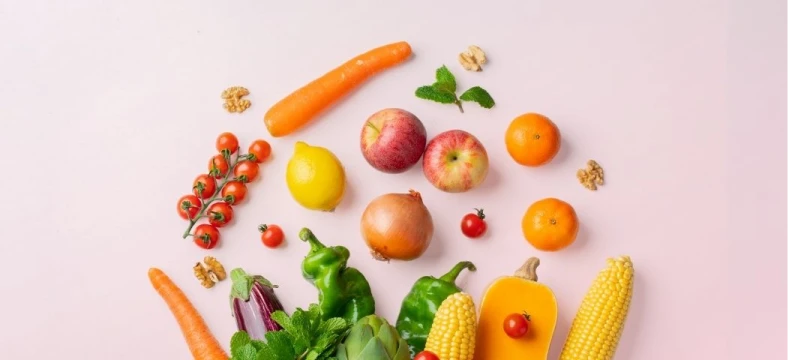
Low-Carb, Big Results: What Works for Your Body?
Understanding Low-Carb Diets and Their Weight Loss Benefits
Low-carb diets have been the talk of the wellness world for years, promising weight loss and improved metabolic health. However, not all bodies respond to them the same way. By reducing carb intake, your body shifts from burning glucose to torching fatÔÇöa process called ketosis. While this can be a game-changer for some, others need a more tailored approach to make it work for their unique body type 9.
Why Low-Carb Diets Work Differently for Everyone
Ever wonder why some people shed pounds effortlessly on a low-carb diet while others hit a plateau? The key factors influencing your success include:
- Genetics ÔÇô Some individuals are naturally more efficient at metabolizing fats than carbohydrates.
- Insulin Sensitivity ÔÇô Those with insulin resistance or metabolic syndrome often see dramatic improvements with a low-carb diet.
- Activity Levels ÔÇô Highly active individuals may need moderate carbs to fuel performance, while those with a sedentary lifestyle benefit more from strict carb reduction.
- Muscle Mass & Metabolism ÔÇô More muscle means a higher energy expenditure, which affects how your body burns fat in ketosis.
How Low-Carb Diets Facilitate Weight Loss
Fat as the Primary Fuel Source
Cutting carbs forces your body to burn fat for energy instead of glucose, leading to more efficient weight loss 5.
Reduced Insulin Levels and Fat Storage
Lower carbs mean lower insulin levels, the hormone responsible for fat storage, making it easier for your body to burn excess fat 3.
Appetite Suppression
Protein and healthy fats help you feel fuller for longer, reducing overall calorie intake1.
Improved Blood Sugar Control
Low-carb diets help stabilize blood sugar levels, particularly beneficial for those with insulin resistance or type 2 diabetes 1.
Tailoring a Low-Carb Diet to Your Lifestyle & Goals
For High-Intensity Exercisers & Athletes
- Recommended Carb Intake: 100-150g daily
- Best Foods: Whole grains, lean proteins, healthy fats
- Why It Works: Carbs are necessary for recovery and endurance, but balance is key.
For Steady Weight Loss & Fat Burning
- Recommended Carb Intake: 50-100g daily
- Best Foods: Lean meats, eggs, nuts, vegetables
- Why It Works: A controlled-carb approach helps maintain muscle while steadily burning fat.
For Those Struggling with Energy on Low-Carb Diets
- Recommended Carb Intake: Carb cycling (increasing carbs on workout days)
- Best Foods: Sweet potatoes, quinoa, legumes
- Why It Works: Prevents energy crashes while maintaining metabolic efficiency.

How to Transition into a Low-Carb Diet Successfully
- Start Gradually: Reduce carb intake over time to avoid energy crashes4
- Stay Hydrated: Drink plenty of water to prevent dehydration
- Increase Protein and Healthy Fats: Helps maintain muscle and satiety3
- Monitor Your Progress: Track body changes and energy levels
- Combine with Professional Treatments: Marie France ensures optimal weight loss and body sculpting results

Enhancing Low-Carb Diet Results with Marie FranceÔÇÖs Weight Loss Services
Sometimes, diet alone isnÔÇÖt enough to reach your goals.
This is where Marie FranceÔÇÖs expert weight loss treatments come into play:
- Fat Reduction Treatments
Struggling with stubborn fat? Marie FranceÔÇÖs non-surgical fat reduction treatments help target problem areas for a slimmer silhouette.
- Body Sculpting and Toning
For those looking to define their curves, Marie FranceÔÇÖs body sculpting solutions complement your low-carb diet for enhanced results.
- Inch Loss Solutions
Targeted inch-loss treatments help reduce inches from key areas such as the abdomen, thighs, and arms.
- Skin Tightening for Post-Weight Loss
Rapid weight loss can lead to loose skin. Marie France offers treatments to restore elasticity and firmness.
Achieving Weight Loss Success with a Low-Carb Diet and Professional Support
A low-carb diet isnÔÇÖt a one-size-fits-all approachÔÇöyour body type determines your success 3. By personalizing your carb intake and incorporating expert weight loss treatments, you can maximize fat loss while maintaining muscle tone. Whether youÔÇÖre an ectomorph, mesomorph, or endomorph, the right combination of nutrition and professional support is key to long-lasting results 2.
Take the next step in your weight loss journey with Marie FranceÔÇÖs tailored weight management solutions. Book a consultation today.
10 Foods You Must Add to Your Diet Plan for Weight Loss Success
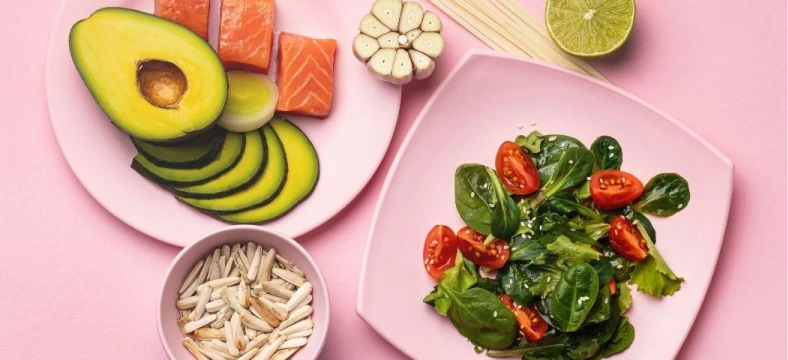
10 Food to Add to Your Diet for Sustainable Weight Loss
Losing weight isnÔÇÖt about depriving yourselfÔÇöitÔÇÖs about making smarter choices that keep you full, satisfied, and energized. The key? Choosing nutrient-dense food that works with your body, not against it! From metabolism-boosting greens to protein-packed essentials, here are eight powerhouse food to add to your diet today.
1. Leafy Greens: Your Metabolism-Boosting Best Friend ƒÑ¼
If youÔÇÖre not loading up on leafy greens, youÔÇÖre missing out on one of the best-kept secrets for weight loss. Low in calories but high in fiberÔÇöspinach, kale, and arugula keep you full while delivering a punch of essential nutrients. These greens also help regulate appetite, fight inflammation, and improve digestion. Toss them into your smoothies, load them into salads, or saut├® them with garlic for a quick, nutritious boost.
2. Oats: The Ultimate Hunger Buster ƒî¥
Oats are the breakfast MVPs you need in your life. Thanks to their high fiber content, oats keep you feeling full for longer, stabilize blood sugar levels, and even promote heart health. Skip the sugar-loaded instant oatmeal and choose overnight oats with fruit, oat flour in baking, or a warm bowl with cinnamon and nuts.
3. Lean Proteins: The Fat-Burning Fuel ƒìùƒÉƒ
Lean proteins like chicken, fish, and tofu do more than build musclesÔÇöthey also help increase metabolism and reduce overall calorie intake. Whether you grill chicken for salads, cook baked salmon, or stir-fry tofu with veggies, these protein-packed staples keep you energized while curbing cravings.
4. Eggs: The Breakfast Staple That Fights Cravings ƒÑÜ
Eggs are packed with all nine essential amino acids, making them an excellent source of protein! They keep you full longer, support brain health, and even help boost metabolism. Whether you enjoy them scrambled, boiled, or in an omelet, eggs are a versatile and satisfying meal option.
5. Nuts & Seeds: Small but Mighty ƒî░
A handful of almonds or a sprinkle of chia seeds can make a difference in your diet. These tiny powerhouses are rich in healthy fats, fiber, and Omega-3sÔÇöhelping you control hunger while supporting heart health! Snack on almonds, mix chia seeds into your yogurt or add flaxseeds to smoothies for an extra nutrient boost.

6. Greek Yogurt: Your GutÔÇÖs Best Friend ƒÑä
Greek yogurt is a protein-packed superfood that does double duty: it helps keep cravings at bay while improving gut health. Loaded with probiotics, it aids digestion and promotes a healthy metabolism. Enjoy it with berries, blend it into smoothies, or use it as a creamy base for dressings and dips! 
7. Green Tea: The Metabolism Booster You Need ƒìÁ
Forget sugary drinksÔÇögreen tea is where itÔÇÖs at. Packed with antioxidants and metabolism-boosting catechins, this healthy beverage supports fat-burning and digestion. Whether you drink it warm in the morning, iced in the afternoon, or with a splash of lemon, itÔÇÖs a must-have for any weight loss plan.
8. Beans & Legumes: The Fiber-Rich Secret Weapon ƒî▒
Beans and legumes are an often-overlooked gem in the weight loss world. High in plant-based protein and fiber, they promote fullness, regulate blood sugar levels, and improve gut health. Include lentils in soups, make hummus from chickpeas, or toss black beans into salads for an extra protein punch! 

The secret to weight loss isnÔÇÖt about restrictionÔÇöitÔÇÖs about balance! Incorporating these nutrient-rich food into your diet fuels your body, curbs cravings, and makes sustainable progress toward your goals.
For a more holistic approach to weight management, check out Marie FranceÔÇÖs FMS Elite program, which helps accelerate fat loss naturally, or the Physique Inch Loss treatment for effective body contouring.**
Disclaimer: Always consult with a healthcare provider before making significant dietary changes.
Understanding Waist-to-Hip Ratio Results and its Health Implications
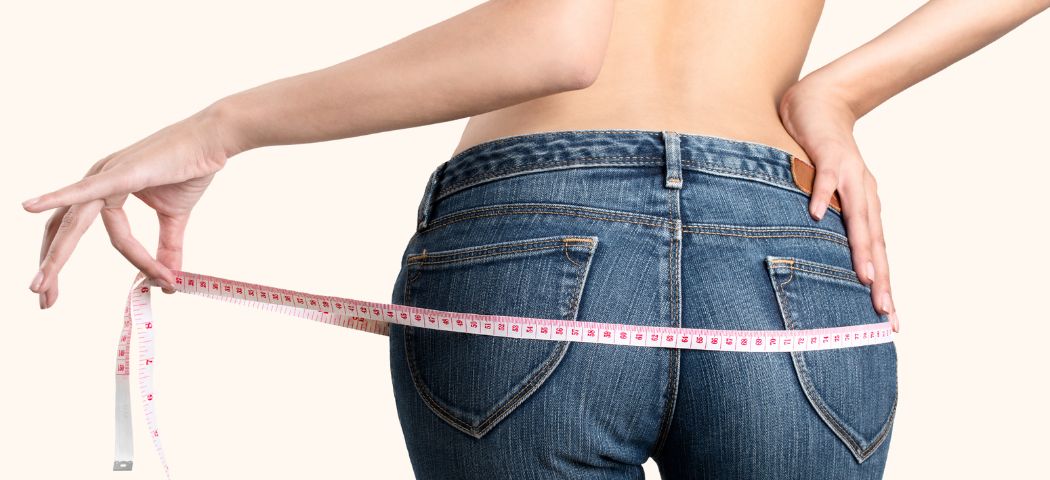
The waist-to-hip ratio (WHR) is a simple but effective measurement used to assess body fat distribution and its potential impact on your overall health. By comparing the circumference of your waist to that of your hips, you can gain valuable insights into your risk for certain health conditions and understand more about your weight management needs.
In this article, we’ll discuss how to interpret WHR results, its effects on your health, and its connection to fat reduction and body contouring treatments.
What Is the Waist-to-Hip Ratio?
Your WHR is calculated by dividing the measurement of your waist by the measurement of your hips. This ratio helps determine where your body stores fat, primarily around your abdomen or hips and thighs. The distribution of fat is important because it can be an indicator of any health risk for conditions such as heart disease, diabetes, and other metabolic disorders.
How to Measure WHR
- Waist Measurement: Measure the circumference of your waist at the narrowest part, typically just above the belly button.
- Hip Measurement: Measure the circumference of the widest part of your hips, usually around the buttocks.
Then, use the formula:
WHR= waist circumference / hip circumference 
Interpreting Your Results
The World Health Organization (WHO) provides the following WHR classifications based on health risk:
- For women:
- Low risk: WHR of 0.80 or lower
- Moderate risk: WHR between 0.81 and 0.85
- High risk: WHR of 0.86 or higher
- For men:
- Low risk: WHR of 0.90 or lower
- Moderate risk: WHR between 0.91 and 0.99
- High risk: WHR of 1.0 or higher
A higher WHR suggests more fat is stored around the waist (apple-shaped body) has been linked to higher risks of heart disease and metabolic issues. A lower WHR (pear-shaped body) indicates more fat around the hips and thighs carries a lower risk of these conditions.
Health Implications of Waist-to-Hip Ratio
1. Increased Risk of Heart Disease and Diabetes
Carrying excess fat around your midsection, which results in a higher WHR, is associated with a greater risk of cardiovascular diseases and type 2 diabetes. This is because abdominal fat, or visceral fat, surrounds your internal organs can lead to increased inflammation, insulin resistance, and cholesterol imbalances.
2. Understanding Body Composition
A higher WHR doesnÔÇÖt necessarily mean you need to lose weight overall but may indicate a need for fat reduction around the abdomen for better health. On the other hand, a lower WHR suggests fat is more concentrated around the hips, which may not carry the same level of health risk, but could still be a cosmetic or physical concern for some people who want body contouring treatments.
3. Hormonal Influence
For women, changes in estrogen levels, particularly during menopause, can lead to an increase in abdominal fat, resulting in a higher WHR. This is why women often notice a shift in body fat distribution as they age, moving from a pear-shaped to an apple-shaped figure. Hormonal balance through proper wellness & nutrition, can help mitigate these changes.
How to Improve Your Waist-to-Hip Ratio
If your WHR suggests a higher health risk, making changes to your lifestyle can improve you results.. Here are some tips to help improve your WHR and overall well-being:
1. Prioritize Wellness & Nutrition
Eating a balanced diet is very important in improving your WHR. Focus on nutrient-dense foods such as fruits, vegetables, lean proteins, and whole grains, while limiting processed foods high in sugar and unhealthy fats. The right weight management strategy will not only help with fat reduction but also support your overall health.
2. Engage in Regular Physical Activity
Exercise is essential for reducing visceral fat and improving your WHR. Incorporate a combination of cardiovascular exercises, such as brisk walking, running, or cycling and strength training to burn fat and build lean muscle. Core-strengthening exercises, such as planks or Pilates, can also tone the abdominal area for a healthier waistline.
3. Consider Body Contouring Treatments
For individuals struggling with stubborn fat despite a healthy lifestyle, body contouring treatments like RF slimming and non-invasive liposuction can target fat in the abdominal area. These treatments can help refine your shape and reduce your WHR, especially when combined with a personalized weight management plan.
At Marie France, we offer advanced fat reduction treatments that can complement your efforts in improving your WHR and achieving a more balanced figure. Whether itÔÇÖs through radio frequency slimming or other non-surgical options, these treatments can help you get closer to your health and wellness goals.
4. Manage Stress
Chronic stress can elevate your cortisol levels, which are linked to increased fat storage around the midsection. Incorporating stress management techniques like yoga, meditation, or breathing exercises can help lower cortisol levels and prevent further fat accumulation in the waist area.
Take the Next Step
Your waist-to-hip ratio (WHR) is an important indicator of how fat is distributed in your body and the potential health risks associated with it. By prioritizing a holistic and balanced approach that includes proper nutrition, regular exercise, and fat reduction treatments, you can work towards improving your WHR and supporting your long-term health.
At Marie France, our holistic weight management programs are tailored to help you achieve both your aesthetic goals and health objectives, empowering you to feel your best, inside and out.
Book a consultation today and receive a personalized plan that’s designed For Every Body!
How to Lose Weight with Food Allergies and Dietary Restrictions
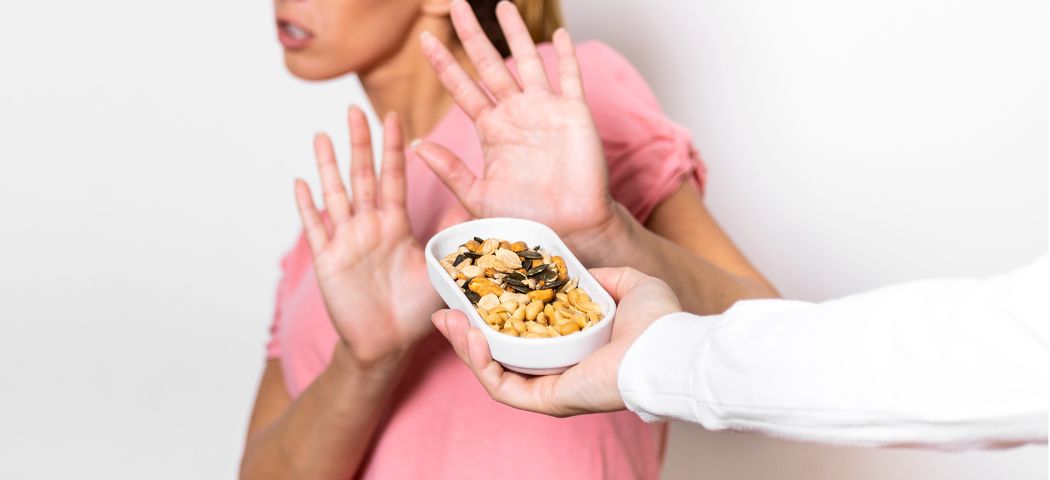
Weight loss with dietary restrictions can make your journey more challenging, especially if that restriction is food allergies. These limitations can affect your ability to consume a balanced diet, which is important for effective and holistic weight loss. Understanding how food sensitivity can affect weight loss, and finding ways to manage them can help you stay on track toward your goals!
Common Dietary Restrictions and Their Impact on Weight Loss
- Gluten Intolerance or Celiac Disease
- Impact: Gluten is often part of a balanced diet, which is found in many whole grains like wheat, barley, and rye. Eliminating these grains can make it harder to get enough fiber and essential nutrients.
- Tips: Focus on gluten-free whole grains such as quinoa, brown rice, and oats (if certified gluten-free). Include plenty of fruits, vegetables, and legumes to ensure an adequate fiber intake.
- Lactose Intolerance
- Impact: Dairy products are a primary source of calcium and vitamin D which are important for bone health. Avoiding dairy can result in deficiencies that could impact your overall health.
- Tips: Opt for lactose-free dairy alternatives such as almond milk, soy milk, or lactose-free yogurt. Make sure you get enough calcium and vitamin D from fortified foods or supplements!
- Nut Allergies
- Impact: Nuts provide essential nutrients like healthy fats, protein, and fiber, which support weight loss. Avoiding nuts may lead to a lack of these important nutrients.
- Tips: Don’t worry! You can also obtain these essential nutrients from other foods, such as seeds like sunflower, chia, or flaxseeds, which provide similar nutritional benefits. You can also try including other healthy fats, such as avocados and olive oil, in your diet.
- Vegan or Vegetarian Diets
- Impact: Plant-based diets may sometimes lack sufficient protein, iron, and vitamin B12, which are essential for maintaining muscle mass and energy levels during weight loss.
- Tips: Include a variety of plant-based protein sources such as beans, lentils, tofu, and tempeh. Consider taking B12 supplements and incorporating iron-rich foods like spinach, legumes, and fortified cereals into your diet.
- Soy Allergy
- Impact: Soy is a common source of protein, particularly in vegetarian and vegan diets. If you are a vegan or vegetarian, avoiding soy may reduce your protein intake, which can make it more challenging to build or maintain muscle mass during weight loss.
- Tips: You can explore other protein sources such as beans, lentils, and quinoa. If youÔÇÖre not vegetarian, lean meats, fish, and eggs are excellent alternatives!
How to Manage Dietary Restrictions While Losing Weight
- Consult a Dietitian:A registered dietitian can help you create a personalized meal plan that takes into account your restrictions while ensuring you receive all the necessary nutrients for weight loss.
- Meal Planning: Plan your meals in advance to resist unhealthy temptations and maintain a balanced diet.
- Read Labels Carefully: Always check food labels to avoid allergens or hidden ingredients that may not suit your diet. This is important, especially for pre-packaged or processed foods.
- Supplement Wisely: If your diet lacks certain nutrients due to restrictions, consider taking supplements! It is best to consult with a healthcare professional before starting any new supplements.
- Focus on Whole Foods: Whole foods like fruits, vegetables, lean proteins, and whole grains are naturally free from many allergens and can form the foundation of a balanced diet.
Take the Next Step
Managing weight loss with food allergies or dietary restrictions may seem challenging, but with careful planning, itÔÇÖs completely achievable. Understanding how your unique nutritional needs affect your weight loss journey is key to making smart, sustainable choices. For the best guidance, itÔÇÖs important to consult experts who understand how to tailor holistic approaches For Every Body.
Take the next step and book a consultation with Marie France today!