The Weighty Side of Arthritis: Factors Contributing to Weight Gain
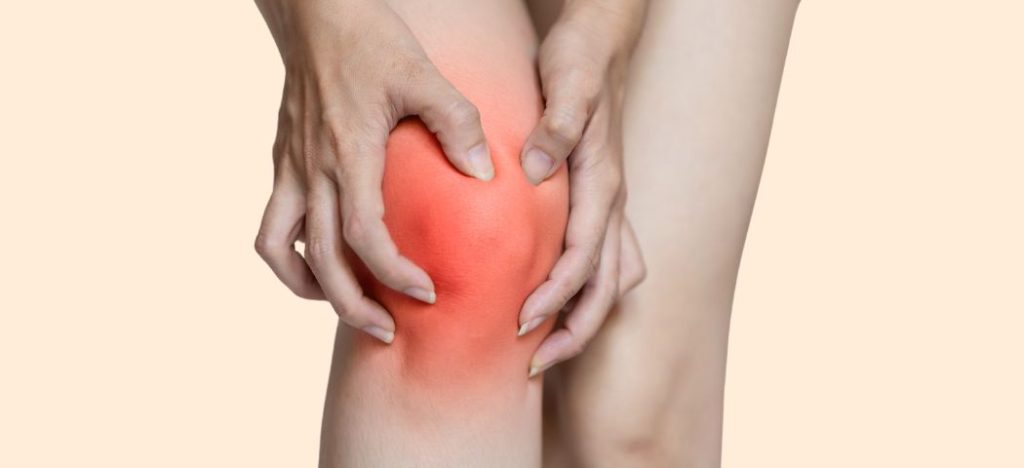
Swollen joints that cause pain, stiffness, and decreased mobility? You might be suffering from arthritis. Having this condition can be due to different factors such as a sedentary lifestyle, age, genetics, weight gain, etc.
In this article, weÔÇÖll take a look at how arthritis and weight gain are connected and how we can manage both conditions holistically!
How Arthritis Leads to Weight Gain
1. Reduced Physical Activity
One of the primary ways arthritis can lead to weight gain is through decreased physical activity. The pain and stiffness associated with arthritis can make it difficult to engage in regular exercise, leading to a more sedentary lifestyle.
Limited Mobility: Joint pain and stiffness can restrict movement, making it challenging to participate in physical activities that burn calories.
Avoiding Physical Activity: Many people with arthritis avoid exercise altogether to prevent pain, further reducing their overall activity levels.
2. Metabolic Changes
Arthritis can also lead to metabolic changes that promote weight gain.
Inflammation: Chronic inflammation associated with arthritis can alter the bodyÔÇÖs metabolism, making it easier to gain weight.
Medications: Some medications used to treat arthritis, such as corticosteroids, can increase appetite and lead to weight gain.
3. Emotional Eating
The psychological impact of living with a chronic condition like arthritis can have a mental and emotional influence which contributes to weight gain.
Stress and Depression: Arthritis can lead to increased stress and depression, which may result in emotional eating or seeking comfort in high-calorie, unhealthy foods.
Isolation: Social isolation due to limited mobility can also lead to overeating as a way to cope with feelings of loneliness or boredom.
Specific Causes of Weight Gain When You Have Arthritis
1. Pain Management Strategies
Many people with arthritis use pain management that can unintentionally cause weight gain.
Sedentary Pain Relief: Using rest and avoiding movement to manage pain can reduce calorie expenditure, leading to weight gain.
Over-the-Counter Pain Relievers: Some pain relief medications can have side effects, including weight gain.
2. Dietary Choices
Arthritis can influence dietary habits in ways that promote weight gain.
Convenience Food: Limited mobility may lead to a reliance on convenience food that is often high in calories, fats, and sugars.
Comfort Food: Seeking comfort in high-calorie food to manage pain and emotional distress can increase calorie intake.
3. Muscle Loss
Arthritis can lead to muscle atrophy due to inactivity.
Reduced Muscle Mass: Muscle loss decreases the bodyÔÇÖs metabolic rate, making it easier to gain weight even with a normal calorie intake.
Simple Ways to Manage Weight Gain with Arthritis
1. Low-Impact Exercise
Engaging in low-impact exercises can help manage weight without exacerbating arthritis symptoms.
Swimming: Provides a full-body workout without putting stress on the joints.
Walking: Gentle walking can help burn calories and improve joint mobility.
Yoga and Stretching: Helps maintain flexibility and reduce stiffness.
2. Healthy Eating Habits
Adopting a balanced diet can help manage weight gain associated with arthritis.
Anti-Inflammatory Food: Incorporate foods that reduce inflammation, such as fruits, vegetables, whole grains, and fatty fish.
Portion Control: Be mindful of portion sizes to avoid overeating.
3. Medication Management
Work with your healthcare experts to manage medications effectively.
Alternative Therapies: Explore alternative pain management therapies that may have fewer side effects related to weight gain.
Regular Monitoring: Monitor weight regularly and adjust medications if they contribute to significant weight gain.
If you have arthritis while dealing with weight gain, itÔÇÖs best that you manage both conditions effectively and safely. By incorporating healthy lifestyle and treatments guided by trusted experts, weight management can be done safely and effectively! Interested to know more about how Marie France can help you on your wellness journey? You can book a consultation with us today!
Stress Less, Weigh Less: Simple Steps for a Healthier You
In todayÔÇÖs fast-paced world, stress greatly impacts our daily lives. From chasing deadlines, juggling our responsibilities, or dealing with financial pressuresÔÇôstress can alter our brain chemistry and impact our physical well-being.
Find out how we can curb stress with effective stress management techniques in support of your healthy lifestyle and weight loss management.
How Does Stress Affect Our Bodies?
When we experience stress, our bodies release hormones like cortisol and adrenaline, which trigger our “fight or flight” response. While this response is crucial for dealing with immediate threats, prolonged or chronic stress can lead to overproduction of cortisol, disrupting metabolism, increasing appetite, and promoting fat storageÔÇôparticularly around the abdomen.
Stress Eating: Connecting the Dots
One of the most common coping mechanisms when dealing with stress is stress eating! ItÔÇÖs where we turn to food for comfort or distraction during immense stress. Many people find themselves craving high-calorie, sugary, or salty food when they find their stress level too much to handle, which can lead to overeating and eventually, weight gain.
Learning the connection between stress and eating behaviors is the first step in solving stress-related weight issues.
Stress Management Techniques
Now that we’ve explored the impact of stress on weight, let’s check out these stress management techniques to help you better cope with stress and support your weight management goals:
1. Mindfulness Meditation
Mindfulness meditation helps you focus your attention on the present moment without judgment. Practicing mindfulness meditation regularly can help reduce stress levels, improve mood, and promote mindful eating habits.
2. Deep Breathing Exercises
Deep breathing exercises, such as diaphragmatic breathing or belly breathing, can help activate the body’s relaxation response and reduce stress levels. Take a few minutes each day to practice deep breathing exercises to calm your mind and body.
3. Physical Activity
Regular exercise is one of the most effective ways to reduce stress and improve mood. Engage in activities you enjoy (e.g., walking, jogging, yoga, or dancing) to help release tension and boost endorphins, the body’s natural stress relievers.
4. Time Management
Poor time management can lead to feelings of stress and overwhelm. Try fixing your schedule by prioritizing tasks, setting realistic goals, and delegating responsibilities when possible. Remember to schedule time for relaxation and self-care as well!
5. Healthy Lifestyle Habits
Adopting healthy lifestyle habits, such as getting adequate sleep, eating a balanced diet, and limiting caffeine and alcohol intake, can help support your body’s ability to cope with stress and maintain a healthy weight.
6. Social Support
Reach out to friends, family members, or support groups for emotional support during stressful times. Sharing your feelings and experiences with others can help alleviate stress and foster a sense of connection and belonging.
7. Relaxation Techniques
Explore relaxation techniques such as progressive muscle relaxation, guided imagery, or aromatherapy to help calm your mind and body and reduce stress levels.
The key to effective stress management is consistency and integration into your daily routine. Experiment with different stress management techniques to find what works best for you, and make time for stress relief activities each day.
Conclusion
Effective stress management is crucial for supporting weight control and overall well-being. Remember that stress is a normal part of life, but how you choose to manage it can make all the difference in your weight control efforts!
Alongside managing stress, you can also take relaxing ways to effectively manage weight loss efforts thatÔÇÖs holistic and guided by a team of experts at Marie France! With an array of weight loss services for fat reduction, inch loss, tightening, sculpting, and maintenanceÔÇôyou can achieve your body goals without worries.
Book a consultation with us today!
Tired and Gaining Weight? Sleep Apnea Might be the Culprit
Sleep apnea is a common sleep disorder that affects sleep quality. As your sleep gets disrupted by this condition, so does your weight. ItÔÇÖs a well-documented phenomenon that is caused by many factors.
LetÔÇÖs find out more about it!
Different Causes of Weight Gain When You Have Sleep Apnea
1. Metabolic Changes
Weight gain caused by sleep apnea is due to the disruption of metabolic processes caused by the disorder. It can lead to hormonal imbalances such as increased levels of ghrelin, known as ÔÇ£The Hunger Hormone,ÔÇØ and decreased levels of leptin, known as ÔÇ£The Satiety HormoneÔÇØÔÇöresulting in overeating and weight gain.
2. Poor Sleep Quality
Individuals with sleep apnea often experience interrupted and poor-quality sleep due to frequent awakenings throughout the night. This chronic sleep deprivation can disrupt the body’s ability to regulate appetite and metabolism, contributing to weight gain over time.
3. Lifestyle Factors
People with sleep apnea may adopt sedentary behaviors or irregular eating patterns, which can further exacerbate sleep apnea-related weight gain. Lack of physical activity and unhealthy dietary choices can compound the metabolic effects of sleep apnea, making weight management more challenging.
Using a CPAP machine, which delivers a steady stream of air to keep airways open during sleep, can improve sleep quality and potentially aid in weight management by addressing the root cause of sleep apnea.
2. Weight Management Programs
Incorporating sleep apnea weight gain-focused strategies into weight management programs can help individuals adopt healthier lifestyle habits. This may include dietary modifications, regular physical activity, and behavioral changes to promote sustainable weight loss.
3. Medical Management
Consulting with healthcare professionals, like sleep specialists or dietitians, can provide personalized approaches to address the causes of weight gain when you have sleep apnea. They can offer guidance on effective treatments and lifestyle adjustments tailored to individual needs.
Conclusion
Recognizing the relationship between sleep apnea and weight gain is important in terms of managing both concerns effectively. Addressing any underlying causes and adopting healthy lifestyle changes are key to overall well-being.
Aside from managing sleep concerns, Marie France offers a holistic weight loss approach to any body concerns you may have to help you achieve healthy body goals without sacrificing anything! Just a happy, healthier you.
Book a consultation today!
Understanding Somatic Exercises and Their Role in Weight Loss
Understanding Somatic Exercises and Their Role in Weight Loss 
Somatic exercises are a type of movement technique that focuses on improving body awareness, flexibility, and muscle control through mindful and intentional movements. Unlike traditional exercises to lose weight and enhance muscular strength or cardiovascular fitness, somatic exercises improve the neuromuscular system to release chronic muscle tension. In this article, we’ll discuss how somatic exercises can contribute to weight loss and improve your overall well-being!
What are Somatic Exercises?
Somatic exercises involve slow, deliberate movements that encourage the brain to reconnect with muscles, joints, and nerves. By increasing body awareness and promoting relaxation, these exercises restore natural movement patterns and ease musculoskeletal pain caused by stress, injury, and poor posture.
How Somatic Exercises Help with Weight Loss
Mind-Body Connection
Somatic exercises boost a strong mind-body connection which is essential for sustainable weight loss. By becoming more aware of habitual movement patterns and postures, you can consciously make adjustments to support healthier choices and improve movement efficiency.
Reduction of Chronic Muscle Tension
Chronic stress and tension can lead to tight muscles and restricted movement which hinders your physical activity and weight loss efforts. Somatic exercises can help release tension and improve flexibility to make it easier to engage in regular exercise and burn calories effectively.
Improved Posture and Alignment
Poor posture can cause muscle imbalances and joint pain which can also limit your physical activity. Somatic exercises focus on correcting your posture and alignment, which not only reduces discomfort but also enhances movement efficiency during exercise and daily activities!
Enhanced Range of Motion
Through somatic exercises, you can achieve increased flexibility and joint mobility which makes it easier to do a wider range of motion during workouts. This can improve your workouts and support your weight loss goals!
Stress Reduction
Stress is a common obstacle to weight loss, as it can affect hormone levels and trigger emotional eating. Somatic exercises help in relaxation and stress relief which helps you to manage cortisol levels and support a balanced approach to eating and exercise.
Incorporating Somatic Exercises into Your Routine
To get the best benefits of somatic exercises for your weight loss journey, integrate them into your weight management plan!:
Start Slow: Begin with simple and easy somatic movements to familiarize yourself with the exercises and their effects on your body.
Practice Regularly: Aim for consistency in your somatic exercise practice to get long-term benefits for your weight management and overall well-being.
Combine with Cardio and Strength Training: Pairing somatic exercises with cardiovascular activities and strength training is recommended for a well-rounded fitness routine!
Somatic exercises provide a holistic approach to weight loss by addressing muscular tension, promoting mindfulness, and enhancing movement efficiency. Incorporating these gentle yet effective exercises into your routine can improve body awareness, reduce stress, and support your holistic weight loss journey. Start your journey with Marie France today! Book your consultation now!
How Diabetes Can Cause Weight Gain
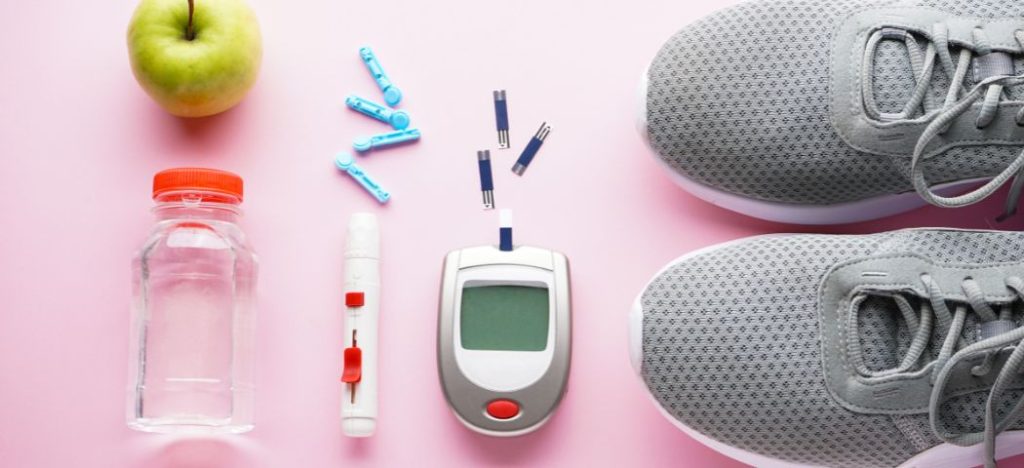
Diabetes is a chronic condition characterized by elevated blood sugar levels, and it is also one of the medical conditions that make it hard to lose weight. Let’s find out in this article how diabetes can cause weight gain to help you in your wellness journey!
The Link Between Diabetes and Weight Gain
1. Insulin Resistance and Weight Gain
Insulin is a hormone that helps regulate blood sugar levels. People with type 2 diabetes have insulin resistance which means their body’s cells do not respond effectively to insulin. To balance, the pancreas produces more insulin which leads to higher insulin levels in the blood.
Impact on Weight: High levels of insulin can boost fat storage, especially around the abdomen which leads to weight gain. This is because insulin encourages the body to store excess glucose as fat.
2. Medications and Weight Gain
There are certain medications for diabetes that can cause weight gain such as insulin therapy and some oral hypoglycemic agents.
Insulin Therapy: While insulin is essential for controlling blood sugar levels, it can also cause weight gain. Insulin boosts the storage of glucose as fat which means the better control of blood sugar, the more glucose is available to be stored.
Sulfonylureas: These oral medications stimulate the pancreas to produce more insulin and just like insulin therapy, this can cause weight gain due to increased insulin levels.
3. Hypoglycemia and Overeating
People with diabetes often have episodes of hypoglycemia or low blood sugar. To treat hypoglycemia, consuming sugary foods or drinks is recommended. However, overconsuming these sugary foods can potentially lead to an increase in calorie intake.
Impact on Weight: Frequent consumption of high-calorie foods to manage hypoglycemia can contribute to weight gain over time. Remember, take everything in moderation!
4. Metabolic Changes
Diabetes can alter the body’s metabolism which affects how the body processes and stores energy. This can result in changes in fat distribution and can potentially make you gain weight.
Impact on Weight: Even with dietary measures, it may be hard to lose weight due to metabolic changes.
Managing Diabetes and Weight Gain
While this article focuses on how diabetes can cause weight gain, managing weight is an important factor in diabetes care. Maintaining a healthy weight helps control blood sugar levels and reduces the risk of complications.
Understanding the factors that can cause weight gain is important in every wellness journey. By identifying these factors, you can take proactive steps to manage your weight and enhance your overall health. Marie France experts can help tailor a holistic approach to your weight management. Book a consultation today!
Is Using Waist Circumference as a Predictor of Visceral Fat Accumulation Effective?
Many of us are familiar with the body mass index (BMI) as a measure of overall body fat content and for assessing health and weight management. However, BMI alone may not provide a complete picture of our health condition, especially regarding fat distribution within our bodies.
Visceral fat, which accumulates around abdominal organs, is linked to health conditions such as heart disease, diabetes, and metabolic syndrome. In this article, we’ll discuss the importance of using waist circumference as an indicator of visceral fat accumulation and its insights into our health condition.
Understanding and Measuring Waist Circumference
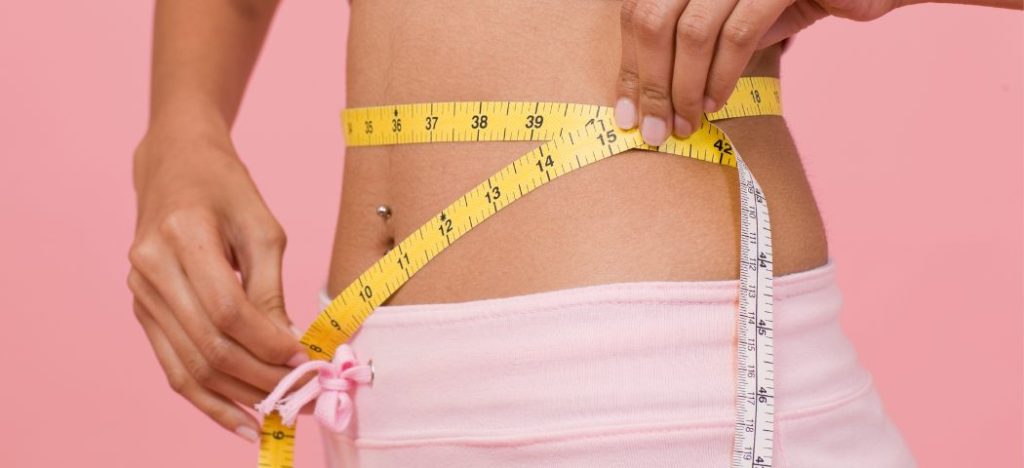
Waist circumference is a simple and effective measure of abdominal obesity and is closely linked to visceral fat accumulation. To measure your waist circumference, use a flexible tape measure around your waist at the level of your belly button. This measurement provides valuable insight into fat distribution in our bodies. A higher waist circumference indicates a greater accumulation of visceral fat.
The Limitations of BMI
While BMI is often used to screen for health and weight status, it also has limitations, such as distinguishing between lean body mass and fat mass. BMI does not take into account the distribution of fat within the body, meaning that even though you have a “normal” BMI, you may still have excess visceral fat and be at risk of health complications.
Waist Circumference and Health Risks
Studies show that waist circumference is a strong predictor of visceral fat accumulation and is closely linked to an increased risk of various health conditions. High waist circumference has been linked to an increased risk of heart disease, type 2 diabetes, stroke, and metabolic syndrome. Additionally, excess visceral fat contributes to insulin resistance, inflammation, and dyslipidemia, further increasing the risk of cardiovascular disease and metabolic disorders.
Waist-to-Hip Ratio and Waist-to-Height Ratio
Other than waist circumference, other measures such as waist-to-hip ratio (WHR) and waist-to-height ratio (WHtR) can also provide valuable insights into an individual’s health condition. WHR compares waist circumference to hip circumference, while WHtR compares waist circumference to height. Both are indicators of abdominal obesity and can help us identify the risk of visceral fat accumulation and related health issues.
Importance of Regular Monitoring
It’s important to keep an eye on waist circumference and other indicators of abdominal obesity to spot any build-up of visceral fat and related health risks! Regular monitoring helps us in the early detection of changes in body composition, giving us the chance to intervene and make lifestyle adjustments to reduce visceral fat and enhance overall health.
How to Interpret Waist Circumference Measurements
Waist circumference measurements can be interpreted based on established guidelines for abdominal obesity. A measurement greater than 35 inches (88 cm) for women and 40 inches (102 cm) for men is considered elevated, indicating increased visceral fat accumulation. However, other factors should also be taken into account, such as age, ethnicity, and overall health condition.
Taking the Next Step
Waist circumference is a useful method for identifying abdominal obesity and predicting visceral fat accumulation to avoid increased health risks! Regular monitoring can help take proactive steps to improve health through lifestyle modifications.
Remember, maintaining a healthy waist circumference is not only about aesthetics but also about reducing the risk of chronic diseases and improving overall well-being.
Talk to a health expert! Book a consultation with Marie France today.
Breaking Free: Overcoming Insulin Resistance and Weight Gain
Inside our bodies, our biochemical processes like insulin play a role in regulating our blood sugar levels and fueling cells with energy. However, when this delicate balance begins to get disrupted, it can trigger metabolic imbalances leading to insulin resistance and weight gain.
At Marie France, we understand how insulin resistance can have an impact on hormonal weight gain and overall well-being. LetÔÇÖs check out its effects on weight management and offer empowering strategies to break free from the cycle!
What is Insulin Resistance and Hormonal Imbalance?
Insulin resistance occurs when our cells become immune to the effects of insulinÔÇöthe hormone responsible for ushering glucose from the bloodstream into cells for energy production. As a result, the pancreas compensates by producing more insulin to overcome this resistance, leading to elevated insulin levels in the bloodstream. Over time, this cycle of insulin overproduction and cellular resistance can unbalance our hormones, contributing to metabolic dysfunction and weight gain.
Effects of Insulin Resistance on Weight Gain
Insulin resistance extends far beyond its impact on blood sugar regulation. Elevated insulin levels not only promote the storage of excess glucose as fat but also inhibit the breakdown of stored fat for energy, making weight loss an uphill battle for individuals with insulin resistance.
Moreover, it also triggers hormonal imbalances, including elevated levels of cortisol (the stress hormone) and disruptions in appetite-regulating hormones such as leptin and ghrelin, further exacerbating weight gain and metabolic dysfunction.
Our Approach at Marie France
At Marie France, we take a comprehensive approach to address weight challenges brought by hormonal imbalances. Our tailored programs are designed to empower you to achieve sustainable weight loss and optimal metabolic health.
Nutritional Interventions: Nutritional interventions play a crucial role in our approach to combating insulin resistance. Our nutritionists craft personalized meal plans that promote and support healthy weight management.
Lifestyle Modifications: Lifestyle modifications are also integral to our approach, as optimizing sleep, managing stress, and engaging in regular physical activity are essential.
Innovative Treatments: Furthermore, our innovative treatments complement our holistic approach. Our advanced body contouring treatments such as Endermologie+ (EDM) and Vara Pulse support your journey towards hormonal optimization and sustainable weight loss.
Contact us today and start your transformative journey towards a healthier and stronger you! Book a consultation today!
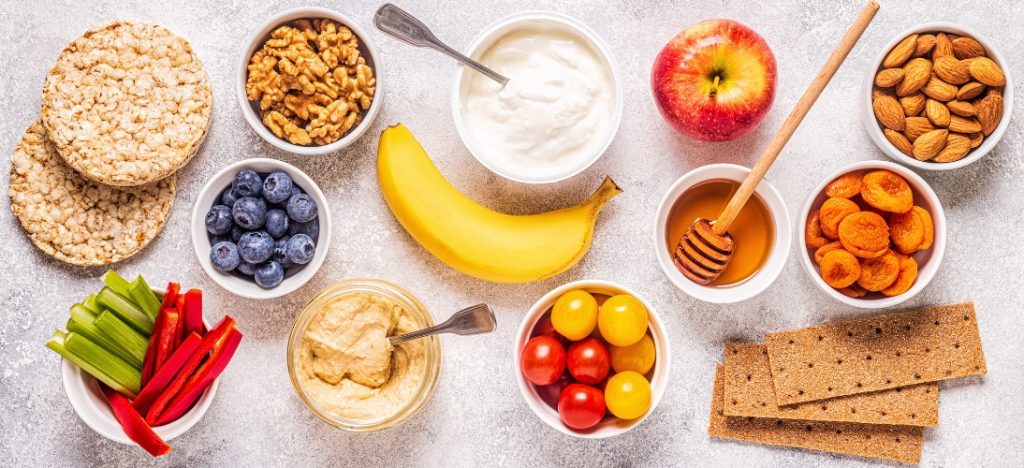
Managing food cravings can sometimes feel like saying no to the things you love! It can be one of the toughest challenges when it comes to maintaining a healthy diet. But, there are always healthier options whenever you crave something sweet or other calorie-laden snacks that you can also enjoy while supporting your healthy weight management.
Take a look at these delicious options you can swap them for!
1. Fresh Fruits
When you’re craving something sweet, fresh fruit is an ideal choice. Fruits like apples, berries, and oranges are naturally sweet and packed with essential vitamins, minerals, and fiber.
Preparation: Combine the mixed berries and apple slices in a bowl. Drizzle with lemon juice and toss with mint leaves for a refreshing and satisfying fruit salad.
2. Greek Yogurt with Honey
Greek yogurt is high in protein and calcium, making it a great option for weight loss. Adding a drizzle of honey provides a touch of sweetness that can help curb your cravings for sugary snacks.
Suggested Recipe: Greek Yogurt Parfait
Ingredients:
Greek yogurt
Honey
Fresh fruit (such as berries or sliced bananas)
Granola
Preparation: Layer Greek yogurt with honey, fresh fruit, and a sprinkle of granola in a glass or bowl for a delightful and nutritious parfait.
3. Dark Chocolate
If you’re longing for chocolate, opt for dark chocolate with a high cocoa content (70% or more). Dark chocolate contains less sugar than milk chocolate and is rich in antioxidants.
Suggested Recipe: Dark Chocolate-Dipped Fruit
Ingredients:
Dark chocolate (70% cocoa or higher)
Strawberries
Apple slices
Banana slices
Preparation: Melt the dark chocolate and dip the fruit pieces into it. Allow the chocolate to harden before enjoying this healthy and satisfying dessert.
4. Nuts and Seeds
Nuts and seeds are excellent sources of healthy fats, protein, and fiber, making them a great choice for weight loss.
Suggested Recipe: Homemade Trail Mix
Ingredients:
Almonds
Walnuts
Sunflower seeds
Pumpkin seeds
A few chocolate chips
Preparation: Combine all ingredients in a bowl and mix well. Portion out into small containers for a perfect on-the-go snack.
5. Air-Popped Popcorn
For those who crave something salty and crunchy, air-popped popcorn is a fantastic low-calorie option. Popcorn is a whole grain that can be flavored with a variety of seasonings.
Suggested Recipe: Savory Popcorn
Ingredients:
Air-popped popcorn
Nutritional yeast
A light touch of sea salt
Garlic powder
Preparation: Air-pop the popcorn and sprinkle with nutritional yeast, sea salt, and garlic powder for a savory and satisfying snack.
6. Smoothies
Smoothies made with fresh fruits, vegetables, and a protein source like Greek yogurt or protein powder can be a nutritious way to satisfy sweet cravings.
Suggested Recipe: Green Berry Smoothie
Ingredients:
Spinach
Frozen berries (strawberries, blueberries)
Banana
Scoop of protein powder
Preparation: Blend the spinach, frozen berries, banana, and protein powder with water or almond milk until smooth for a quick and nutritious smoothie.
7. Hummus with Vegetables
If you’re craving something savory, hummus with vegetable sticks is a great alternative to chips and dip. Hummus is made from chickpeas, which are high in protein and fiber, while vegetables like carrots, cucumbers, and bell peppers add a satisfying crunch and additional nutrients.
Suggested Recipe: Hummus and Veggie Platter
Ingredients:
Hummus
Carrot sticks
Cucumber slices
Bell pepper strips
Cherry tomatoes
Preparation: Arrange the vegetables on a platter and serve with a bowl of hummus for a healthy and filling snack.
Use these food recipes to satisfy cravings while staying on track with your weight loss goals. And when you want to amp up your body goals, ask our expert nutritionists for the right nutrition options and our doctors for the right treatments for your body goals. Message us to book a consultation today!
Weight Loss Diet for Meat Lovers: Embracing the Paleo Approach
If you’re a meat lover trying to manage your weight while enjoying your favorite foods, the Paleo diet may be for you. This diet focuses on consuming whole, unprocessed foods that mimic those of our ancestors from the Paleolithic era. Here’s a list of foods that align with the Paleo diet principles and may support sustainable weight loss for meat enthusiasts.
Benefits: Fruits provide natural sweetness and essential nutrients without added sugars and processed ingredients.
6. Nuts and Seeds
Options: Almonds, walnuts, chia seeds, flaxseeds.
Benefits: Nuts and seeds are high in healthy fats, fiber, and protein, which can help you curb cravings and give you energy throughout the day.
7. Healthy Fats
Options: Avocado, olive oil, coconut oil.
Benefits: These provide essential fatty acids, which can help you feel full and satisfied after meals.
Tips for a Successful Paleo Diet
Eat Whole Foods: Choose unprocessed foods and avoid additives, preservatives, and refined sugars.
Stay Hydrated: Drink plenty of water throughout the day to support metabolism and overall health.
Moderation with Fruits: While fruits are Paleo-friendly, be mindful of portion sizes, especially if weight loss is your goal!
The Paleo diet offers a practical and enjoyable approach for meat lovers aiming to lose weight while enjoying a variety of nutrient-dense foods. By focusing on whole and unprocessed foods and incorporating lean meats, fatty fish, fruits, and vegetables, you can support long-term and sustainable weight loss.
Discover if the Paleo diet is right for you. Book a consultation with Marie France for a holistic approach to weight loss!
The Connection Between Insomnia and Weight Gain
Insomnia is a common sleep disorder characterized by difficulty falling or staying asleep, which can affect your health in many aspects. Insomnia is one of the medical conditions that make it hard to lose weight, so it is important to understand the correlation between insomnia and weight gain to help you manage your weight and have a healthy lifestyle.
How Insomnia Leads to Weight Gain
1. Hormonal Imbalance
Lack of sleep disrupts the balance of the hormones in your body, such as:
Leptin: This hormone signals fullness to your brain. Insufficient sleep decreases leptin levels, making you feel less satisfied after eating.
Ghrelin: Ghrelin is known as the hunger hormone that increases your appetite. Insomnia raises your ghrelin levels, leading to increased hunger and food intake.
These hormonal changes can cause people who have insomnia to eat more than usual, which leads to weight gain.
2. Increased Calorie Intake
People who suffer from insomnia often find themselves awake during the night, which can result in late-night snacking. Some snacks are typically high in calories, sugars, and fats that can cause weight gain.
Midnight Snacks: The temptation to eat comfort food late at night can add unnecessary calories, which can cause weight gain over time.
3. Reduced Physical Activity
Lack of sleep can cause fatigue and low energy levels, making it difficult to engage in daily physical activities.
Sedentary Lifestyle: People who have insomnia may struggle to find the motivation to exercise, which reduces the number of calories burned, resulting in weight gain.
4. Metabolic Changes
Sleep deprivation affects the body’s ability to metabolize glucose, resulting in insulin resistance.
Insulin Resistance: This condition causes difficulty for your body to convert sugar into energy, resulting in stored fat, especially around your abdomen.
5. Stress and Emotional Eating
Insomnia increases stress levels, which leads to emotional eating as a coping mechanism.
Cortisol Levels: Elevated stress levels boost the production of cortisol, which increases stress eating and fat storage.
Take the Next Step in Managing Insomnia and Weight
Your sleep patterns can greatly affect your weight management. That’s why itÔÇÖs important to consider other factors to manage your weight healthily! For tips on how to manage insomnia weight gain, check out our detailed guide.
Marie France is here to support you on your weight management journey with our holistic wellness approach. Take the next step and book a consultation with us today!