Maintaining your health and enhancing your results from exercise isn’t just about the time you spend in the gym. What you do before and after hitting the gym also plays an important role in staying healthy and getting the best results. Here are some pre-workout and post-workout tips to keep in mind!
Pre-Workout Preparation: What to Do Before Going to the Gym
1. Hydrate Properly
Importance: Staying hydrated is important for your best workout performance and preventing dehydration.
Tip: Drink at least 16-20 ounces of water 1-2 hours before your workout.
2. Eat a Balanced Snack
Importance: Eating food with the right nutrients helps maintain energy levels and improve your workout performance.
Tip: Consume a small meal or snack rich in carbohydrates and protein about 30-60 minutes before exercising, such as a banana with almond butter or a small bowl of oatmeal with fruit.
3. Warm-Up Exercises
Importance: Warming up before exercise increases blood flow to muscles, enhances flexibility, and reduces the risk of injury.
Tip: Perform dynamic stretches and light cardio for 5-10 minutes such as jogging in place, jumping jacks, or arm circles.
4. Plan Your Workout
Importance: Having a clear workout plan can help you stay focused and make the most of your time at the gym.
Tip: Plan your exercises, sets, and reps youÔÇÖll be doing beforehand. Plus, working with a trainer is also recommended to create a structured routine!
5. Wear the Right Gear
Importance: Wearing proper workout attire and footwear can prevent injuries and ensure comfort.
Tip: Choose moisture-wicking fabrics and supportive shoes appropriate for your type of exercise.
Post-Workout Preparation: What to Do After the Gym
1. Cool Down and Stretch
Importance: When you cool down, your heart rate gradually lowers. Stretching also helps in reducing muscle stiffness and soreness.
Tip: Spend 5-10 minutes doing light cardio, followed by static stretching. Focus on the major muscle groups you worked on during your workout session!
2. Rehydrate
Importance: Replenishing lost fluids is important for your recovery!
Tip: Drink at least 16-24 ounces of water or a sports drink to replace electrolytes after your workout.
3. Have a Proper Post-Workout Meal
Importance: Eat the right nutrients after a workout for faster muscle recovery and energy replenishment.
Tip: Have a balanced meal or snack containing protein and carbohydrates 30-60 minutes after your workout. A protein smoothie with fruits or a grilled chicken salad is an excellent post-workout meal!
4. Listen to Your Body
Importance: Pay attention to how your body feels after a workout to prevent fatigue and injuries.
Tip: Rest if you feel excessive fatigue or pain and schedule rest days into your routine to allow your body to recover.
5. Track Your Progress
Importance: Keeping a record of your workouts can help you stay motivated and monitor your progress!
Tip: Use a fitness app or journal to log your exercises, weights, sets, and reps and note any changes in how you feel or perform.
Proper pre-workout and post-workout preparation are essential for staying healthy and boosting the benefits of your exercise routine. By incorporating these tips, you can enhance your performance and reduce the risk of injury on your wellness journey.
Making these habits a part of your fitness routine is important to achieve your health and fitness goals effectively, especially with expert guidance!
At Marie France, our specialists offer a personalized holistic approach tailored For Every Body. Book your consultation with us today!
Squeeze the Day!: Juicing Tips for Sustainable Weight Loss
In the world of wellness, juicing stands out as a unique and flavorful approach to nourishing your body with essential nutrients. But beyond its refreshing taste, you may wonder, can juicing truly help us in weight loss? LetÔÇÖs explore this topic and the potential benefits of juicing for shedding pounds and weight maintenance!
What exactly is Juicing?
Juicing extracts the liquid from fruits and vegetables, leaving behind the fibrous pulp. This concentrated juice is packed with vitamins, minerals, and antioxidants, offering a convenient and flavorful way to increase your intake of nutrient-dense produce. From vibrant green juices to refreshing citrus blends, the possibilities are endless when it comes to juicing!
The Role of Juicing in Weight Loss:
Juicing has gained popularity as a weight loss strategy, thanks to its potential to provide essential nutrients while reducing overall calorie intake! Here’s how juicing may support your weight loss goals:
Nutrient Density: With concentrated sources for vitamins, minerals, and antioxidants, juices provide essential nutrients that support overall health and well-being. By incorporating a variety of fruits and vegetables into your juices, you can nourish your body with a wide range of nutrients while keeping calories in check.
Hydration: Staying hydrated is important to support your health overall weight loss efforts. Juices, especially those made with hydrating fruits and vegetables like cucumbers and citrus fruits, can help you stay hydrated throughout the day, reducing cravings and supporting proper bodily functions.
Portion Control: Juicing allows you to consume the right volume of fruits and vegetables in liquid form, making it easier to control portion sizes and reduce overall calorie intake. By replacing high-calorie snacks and beverages with nutrient-rich juices, you can create a calorie deficit that supports weight loss!
While juicing can help us with our weight loss journey, it’s essential to approach it only as part of a balanced and sustainable lifestyle, and not depend on it alone. Here are some tips for incorporating juicing into your weight loss plan:
Focus on Variety: Mix and match different combinations of fruits and vegetables to create flavorful and nutrient-rich juices! Aim for a rainbow of colors to ensure you’re getting a diverse range of nutrients with each sip.
Include Protein and Healthy Fats: To make your juices more satisfying and balanced, consider adding protein sources like Greek yogurt or protein powder and healthy fats like avocado or nuts. These additions can help keep you full and satisfied for longer, reducing the likelihood of overeating.
Practice Moderation: While juices can be nutritious, they can also be high in sugar and calories if consumed in excess. Limit your intake to one or two servings per day and balance them with whole foods like lean proteins, whole grains, and vegetables.
Juicing can be a refreshing and nutritious addition to your weight loss journey when approached mindfully and in moderation. By incorporating a variety of fruits and vegetables into your juices and balancing them with protein and healthy fats, you can reap the benefits of juicing while nourishing your body and achieving your health goals. So grab your favorite fruits and veggies, fire up the juicer, and sip your way to a healthier, happier you!
Does Water Help with Weight Loss?
Yes, water can contribute to sustainable weight loss. Drinking water suppresses appetite, boosts metabolism, and reduces water weight!
Hydrate! Hydrate! Hydrate!
You have probably heard of the weight loss tip of drinking water to suppress the appetite and perhaps youÔÇÖve already tried it out. However, thereÔÇÖs more to drinking plenty of water for weight loss than you think!
Water is essential for countless bodily functions like regulating body temperature, aiding digestion, and nutrient absorption.
By staying properly hydrated, you can support your body’s natural processes and optimize your metabolism for maximum fat-burning potential.
HereÔÇÖs How Water Supports Weight Loss
While the idea of water as a weight loss aid may seem way too simple, its effects on the body are profound:
Appetite Control: Drinking water before meals can help you feel fuller, leading to reduced calorie intake and potentially aiding in weight loss. Additionally, thirst is often mistaken for hunger, so staying hydrated can prevent unnecessary snacking and overeating.
Metabolic Boost: Proper hydration is crucial for maintaining a healthy metabolism. When your body is dehydrated, it can’t efficiently metabolize fat stores for energy. By drinking enough water, you can ensure that your metabolism stays revved up and ready to burn calories throughout the day.
Water Weight Reduction: Contrary to popular belief, drinking more water can actually help reduce water retention and bloating, leading to a slimmer appearance. When your body is adequately hydrated, it’s less likely to hold onto excess fluids, resulting in a leaner, more defined physique.
Drinking Water for Weight Loss
Here are some tips for staying hydrated and supporting your weight loss goals:
Start your day with a glass of water: Kickstart your metabolism and hydrate your body first thing in the morning by drinking a glass of water upon waking.
Carry a water bottle with you: Keep hydration top of mind by carrying a reusable water bottle with you throughout the day. Aim to sip water regularly, rather than waiting until you’re thirsty.
Flavor it up! If plain water isn’t your thing, add some slices of your favorite citrus fruit! Try infusing it with fresh fruit or herbs for a refreshing and flavorful twist.
Lastly, why not take your weight loss efforts a step further? Get in touch with Marie France to book a consultation and receive non-invasive fat loss treatments based on your health assessment and goals.
Why Your Waist Circumference Matters To Your Health
When it comes to assessing health and fitness, most people are familiar with the concept of Body Mass Index (BMI). However, there’s another important measurement that often flies under the radar but can be just as important: waist circumference. In this article, we’ll discuss why your waist circumference matters to your health and why it’s an essential indicator for weight management and overall well-being.
Understanding Waist Circumference
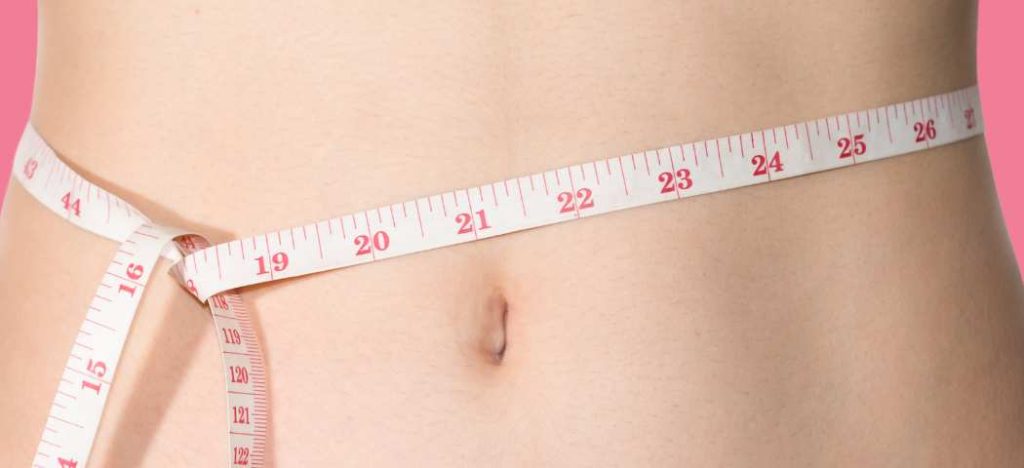
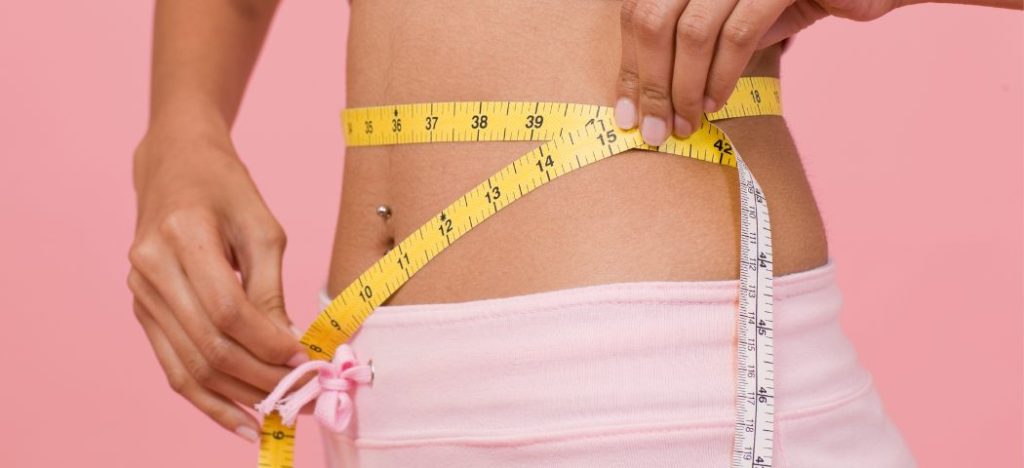
Waist circumference is a simple measurement that indicates the size of your waistline. It’s typically measured at the midpoint between the lower margin of the last palpable rib and the top of the iliac crest (hip bone). Unlike BMI, which calculates weight relative to height, waist circumference provides a direct measure of abdominal fat accumulation.
The Relationship Between Waist Circumference and Health
Research has shown that excess abdominal fat, often referred to as visceral fat, is associated with an increased risk of various health conditions, including:
Cardiovascular Disease: High levels of abdominal fat have been linked to an increased risk of heart disease, stroke, and other cardiovascular conditions. This is because visceral fat can release inflammatory substances that contribute to the development of plaque in the arteries, leading to arterial stiffness and reduced blood flow.
Type 2 Diabetes: Abdominal fat accumulation is a significant risk factor for insulin resistance and type 2 diabetes. Excess visceral fat can interfere with insulin sensitivity, leading to elevated blood sugar levels and an increased risk of developing diabetes.
Metabolic Syndrome: Metabolic syndrome is a cluster of conditions, including high blood pressure, high blood sugar, abnormal cholesterol levels, and excess abdominal fat that increase the risk of heart disease, stroke, and type 2 diabetes. Waist circumference is one of the criteria used to diagnose metabolic syndrome.
Is BMI Accurate?
While BMI is widely used as a screening tool for assessing weight status, it has limitations, particularly when it comes to individuals with higher muscle mass or different body compositions. BMI does not differentiate between fat mass and muscle mass, which means that individuals with a high muscle-to-fat ratio may be classified as overweight or obese based on BMI alone, even if they have a healthy level of body fat.
Waist Circumference vs. BMI
Unlike BMI, which provides a general estimate of weight status, waist circumference specifically targets abdominal fat accumulation, which is a better predictor of health risks associated with obesity. Even individuals with a normal BMI may have an increased risk of health problems if they have excess abdominal fat.
How to Measure Your Waist Circumference
Measuring your waist circumference is simple and can be done at home using a measuring tape. Follow these steps:
Stand up straight and breathe normally.
Locate the midpoint between the bottom of your rib cage and the top of your hip bone.
Wrap the measuring tape around your waist at this point, making sure it’s snug but not too tight.
Record the measurement in inches or centimeters.
Interpreting Your Results
Generally, a waist circumference of more than 35 inches (88 cm) for women and more than 40 inches (102 cm) for men is considered high risk for health complications. However, optimal waist circumference may vary depending on factors such as age, ethnicity, and body composition.
In conclusion, your waist circumference is an important measurement that provides valuable insights into your health and risk of developing obesity-related conditions. While BMI is a useful tool for assessing weight status, waist circumference offers a more targeted approach to evaluating abdominal fat accumulation, which is a significant contributor to health risks associated with obesity. By maintaining a healthy waist circumference through lifestyle modifications such as regular exercise, a balanced diet, and stress management, you can reduce your risk of developing chronic diseases and improve your overall well-being. Remember, it’s not just about the number on the scale but also about where your weight is distributed on your body. So, pay attention to your waistlineÔÇöit could be telling you more than you think about your health.
Discover effective and safe ways of addressing visceral fat when you book a consultation with Marie France today!
Decoding the Hormonal Puzzle: How Health Conditions Impact Hormonal Balance and Weight
Our bodyÔÇÖs biochemistry and hormonal balance play a role in regulating metabolism, appetite, and weight. However, certain health conditions can disrupt this delicate balance, leading to hormonal imbalances that sabotage weight loss efforts!
LetÔÇÖs check out the facts about the possible impacts of health conditions on hormonal balance and weight management as we share insights and tips to balance it out.
Understanding Hormonal Imbalances
Hormonal imbalances occur when there is an irregularity in the body’s hormone production, signaling, or metabolism.
This can manifest in various ways:
Fluctuations in insulin levels
Thyroid dysfunction
Adrenal fatigue
Disruptions in sex hormone levels
These imbalances can disrupt the body’s metabolic processes, leading to weight gain, difficulty losing weight, and stubborn fat deposits, particularly in the abdominal area.
The Role of Health Conditions
Certain health conditions can contribute to hormonal imbalances and impact weight management in different ways:
Insulin Resistance
The body’s cells become less responsive to the effects of insulin, leading to elevated blood sugar levels and increased insulin production. This can promote fat storage, particularly around the abdomen, and make it difficult to lose weight.
Thyroid Dysfunction
Thyroid disorders such as hypothyroidism (underactive thyroid) or hyperthyroidism (overactive thyroid) can disrupt the body’s metabolism and lead to weight gain or weight loss, respectively. Thyroid hormones play a key role in regulating metabolism, so imbalances can affect energy expenditure and calorie burning.
Adrenal Fatigue
Adrenal fatigue, also known as adrenal insufficiency, occurs when the adrenal glands are unable to produce adequate amounts of cortisol, the body’s primary stress hormone. This can disrupt the body’s stress response system and lead to imbalances in other hormones, including insulin and thyroid hormones, which can impact weight management.
Polycystic Ovary Syndrome (PCOS)
A hormonal disorder characterized by elevated levels of androgens (male hormones) and insulin resistance. This can lead to irregular menstrual cycles, ovarian cysts, weight gain, and difficulty losing weight, particularly around the abdomen.
Navigating the Hormonal Puzzle
At Marie France, we take a comprehensive approach to weight management that addresses both hormonal imbalances and underlying health conditions contributing to weight gain. Our personalized programs are designed to:
Identify and address the root causes of both weight loss and weight gain.
Provide tailored nutrition plans that support hormonal balance and promote sustainable weight loss management.
Develop customized treatment plans that support overall health and weight loss goals.
Offer behavioral support to promote overall well-being and hormonal balance.
Understanding the impact of health conditions on hormonal balance and weight management is important for achieving lasting results. By addressing underlying health conditions and optimizing hormonal balance, individuals, especially women, can overcome obstacles to weight loss and achieve their goals.
At Marie France, we’re committed to helping our clients navigate the hormonal puzzle and achieve optimal health! Contact us today to learn more about our personalized weight loss programs. Message us!
Hormonal Weight in Women vs Men
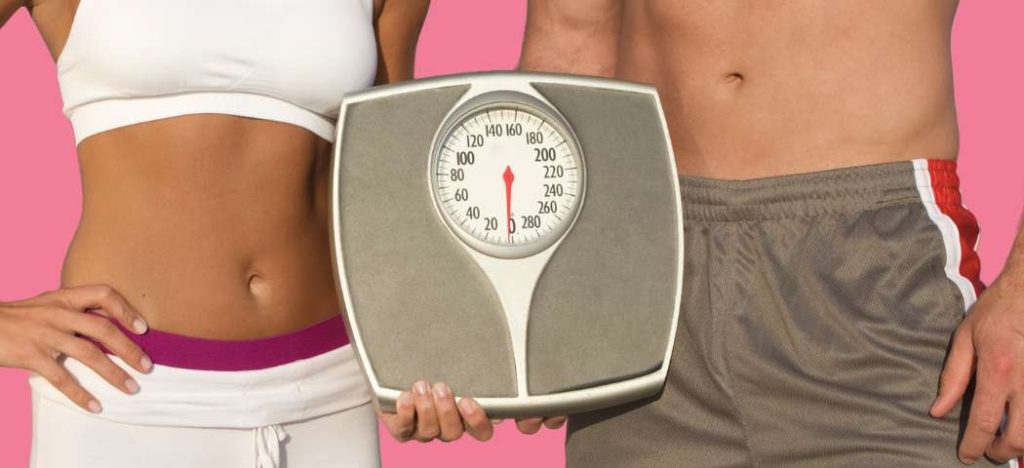
Hormonal imbalance effects vastly differ for women and men, so how do they affect weight management for each sex?
Men and women experience distinct hormonal fluctuations and imbalances. Perhaps youÔÇÖve noticed that one sex loses weight at a slower rate or tends to store more fat in specific body parts compared to the other.
Hormonal Imbalances in Men
Men’s hormonal profiles are predominantly influenced by testosterone, the primary male sex hormone. However, imbalances in testosterone levels, as well as other hormones, can occur due to various factors such as:
Low Testosterone Levels: This can lead to decreased muscle mass, increased body fat, reduced energy levels, and diminished libido, thus contributing to weight gain, particularly around the abdomen. Building and maintaining muscle mass can become challenging.
Elevated Estrogen Levels: This imbalance can occur due to factors such as excess body fat, exposure to environmental estrogen-mimicking compounds, or certain medications. Elevated estrogen levels in men can lead to gynecomastia (enlarged breast tissue) and abdominal fat accumulation.
Cortisol Imbalance: Chronic stress can disrupt cortisol levels in men, leading to increased abdominal fat deposition, insulin resistance, and metabolic dysfunction.
Hormonal Imbalances in Women
Women’s hormonal profiles are more complex, characterized by cyclical fluctuations throughout the menstrual cycle and significant hormonal shifts during life stages such as puberty, pregnancy, and menopause. Common hormonal imbalances in women include:
Estrogen Dominance: This occurs when there is an imbalance between estrogen and progesterone levels, often characterized by heavy or irregular periods, breast tenderness, and weight gain, particularly around the hips and thighs.
Polycystic Ovary Syndrome (PCOS): Symptoms may include irregular menstrual cycles, ovarian cysts, acne, and weight gain, particularly around the abdomen.
Thyroid Dysfunction: Hypothyroidism (underactive thyroid) or hyperthyroidism (overactive thyroid) can disrupt metabolism and lead to weight gain or weight loss, respectively.
If you suspect that youÔÇÖre experiencing one or two of these imbalances, itÔÇÖs important to consult with your doctor for a proper diagnosis and treatment plan.
If you are struggling with hormonal weight management, know that our experts at Marie France understand the complexities of hormonal imbalance that might affect your weight loss efforts. Contact us today to learn more about our personalized weight loss programs and start your journey towards a healthier, happier you!
Monitoring Stress Levels: Key to Successful Weight Management
Stress has now become an inevitable part of our daily lives. From managing work deadlines to balancing personal responsibilities, stress can surely affect our health and wellness. Many people fail to recognize that stress levels can also affect weight management in numerous ways.
In this article, we’ll discuss the importance of monitoring and managing stress levels for successful weight management, and how stress management techniques can help us achieve our health goals.
Understanding Stress and Its Effects on Weight
Stress is the body’s natural response to perceived threats. When we experience stress, our bodies release hormones like cortisol, which can increase appetite and lead to stress eating. Stress eating disrupts weight management efforts and can contribute to unwanted weight gain over time.
Recognizing the Signs of Stress Eating
Stress eating or emotional eating involves seeking comfort or distraction from food in response to stressors. Some common signs of stress eating are sudden cravings for specific foods, and eating past the point of fullness. When we recognize these signs, we can begin to identify our triggers and develop healthier coping mechanisms.
The Role of Stress Management Techniques
Effective stress management is important for successful weight management. By learning to manage stress in healthy ways, we can reduce stress eating and lessen the negative effects of stress on our overall health.
Here are some stress management techniques that we can incorporate in our daily routine:
Mindfulness Meditation: Practicing mindfulness meditation requires focusing attention on the present moment without judgment. This can help reduce stress levels and promote a sense of calm and relaxation.
Deep Breathing Exercises: Deep breathing exercises can help activate the body’s relaxation response and counteract the physiological effects of stress.
Regular Exercise: Engaging in regular physical activity is an effective way to reduce stress levels and improve mood. When we exercise, our bodies release endorphins that act as natural stress relievers.
Healthy Coping Strategies: Explore alternative coping strategies such as journaling, talking to a friend, or engaging in a creative hobby.
Time Management: Effective time management can help reduce feelings of overwhelm and stress. Prioritize tasks and schedule regular breaks throughout the day to recharge.
Quality Sleep: Get enough sleep every night! Lack of sleep can increase stress levels, making it harder to cope with daily tasks.
Incorporating Stress Monitoring into Weight Management Plans
It is important to incorporate stress monitoring in your weight management plan. This includes regular assessment of stress levels, identifying triggers, and developing strategies to manage stress effectively. Keeping a stress journal to track stressors, emotions, and coping strategies, and adjusting different approaches as needed based on observations might help!
Take the Next Step to Holistic Wellness Journey
We often set aside that monitoring and maintaining stress levels are also important factors in successful weight management. Now that we recognize the impact of stress on eating behaviors and overall health, we can take steps to manage stress effectively, such as incorporating stress management techniques and prioritizing self-care.
Book a consultationwith us today and start a holistic and sustainable weight loss journey with Marie France!
Weight Loss That Sticks: Your Comprehensive Guide
Starting your weight loss journey is often a mix of both excitement and determination. But the real challenge lies in sustaining those results long term!
Achieving sustainable weight loss requires a holistic approach that goes beyond quick fixes and crash diets. In this article, letÔÇÖs explore how we can achieve and maintain long-term weight loss goals, focusing on sustainable practices, healthy lifestyle habits, and practical tips.
What Are Long-Term Weight Loss Goals?
Long-term weight loss goals are not just about shedding pounds quicklyÔÇöthey’re about making lasting changes to your lifestyle and habits to achieve and maintain a healthy weight over time.
Unlike temporary solutions, long-term weight loss focuses on sustainable practices that promote overall health and well-being.
We Can Achieve Long-Term Weight Loss by:
Setting Realistic Goals: Start by setting achievable weight loss goals based on your individual needs and circumstances. Aim for gradual weight loss of 1-2 pounds per week, which is considered safe and sustainable in the long term.
Focusing on a Balanced Diet: Adopt a balanced diet that includes a variety of nutrient-dense foods such as fruits, vegetables, whole grains, lean proteins, and healthy fats. Avoid restrictive diets that eliminate entire food groups and instead focus on portion control and moderation.
Incorporating Physical Activity: Regular physical activity is essential for achieving and maintaining weight loss. Aim for at least 150 minutes of moderate-intensity exercise or 75 minutes of vigorous-intensity exercise per week, along with strength training exercises to build lean muscle mass.
Practicing Mindful Eating: Pay attention to your body’s hunger and fullness cues and practice mindful eating. Slow down during meals, chew your food thoroughly, and savor each bite to prevent overeating and promote better digestion.
Staying Hydrated: Drink plenty of water throughout the day to stay hydrated and support metabolism. Aim for at least 8-10 glasses of water per day, and opt for water-rich foods such as fruits and vegetables to help stay hydrated.
Getting Adequate Sleep: Prioritize quality sleep to support weight loss and overall health. Aim for 7-9 hours of sleep per night, and establish a regular sleep schedule to promote better sleep quality and consistency.
How to Maintain Weight Loss Sustainably:
Monitor Your Progress: Keep track of your weight loss progress using a journal or tracking app. Regularly monitor your weight, measurements, and food intake to stay accountable and identify areas for improvement.
Stay Active: Continue to prioritize regular physical activity even after reaching your weight loss goals. Find activities you enjoy and make exercise a fun part of your daily routine.
Focus on Weight Maintenance: Shift your focus from losing weight to maintaining your current weight once you’ve reached your goals. This may require adjusting your calorie intake and activity level to find a balance that supports weight maintenance.
Be Flexible: Allow yourself flexibility in your eating habits and exercise routine. It’s okay to indulge occasionally or skip a workout now and then, as long as you get back on track and stay committed to your long-term goals.
Build a Support System: Surround yourself with a supportive network of friends, family, or fellow weight loss enthusiasts who can provide encouragement, accountability, and motivation on your journey.
Practice Self-Care: Take care of your mental and emotional well-being by practicing self-care activities such as meditation, relaxation techniques, or hobbies that bring you joy and fulfillment.
Remember that weight loss is not a one-size-fits-all approach, so experiment with different strategies and find what works best for you. With perseverance, determination, and the right support, you can achieve and maintain your long-term weight loss goals minus the feeling of deprivation!
Excited to try a holistic approach to weight loss? Book a consultation with us today!
Is Using Waist Circumference as a Predictor of Visceral Fat Accumulation Effective?
Many of us are familiar with the body mass index (BMI) as a measure of overall body fat content and for assessing health and weight management. However, BMI alone may not provide a complete picture of our health condition, especially regarding fat distribution within our bodies.
Visceral fat, which accumulates around abdominal organs, is linked to health conditions such as heart disease, diabetes, and metabolic syndrome. In this article, we’ll discuss the importance of using waist circumference as an indicator of visceral fat accumulation and its insights into our health condition.
Understanding and Measuring Waist Circumference
Waist circumference is a simple and effective measure of abdominal obesity and is closely linked to visceral fat accumulation. To measure your waist circumference, use a flexible tape measure around your waist at the level of your belly button. This measurement provides valuable insight into fat distribution in our bodies. A higher waist circumference indicates a greater accumulation of visceral fat.
The Limitations of BMI
While BMI is often used to screen for health and weight status, it also has limitations, such as distinguishing between lean body mass and fat mass. BMI does not take into account the distribution of fat within the body, meaning that even though you have a “normal” BMI, you may still have excess visceral fat and be at risk of health complications.
Waist Circumference and Health Risks
Studies show that waist circumference is a strong predictor of visceral fat accumulation and is closely linked to an increased risk of various health conditions. High waist circumference has been linked to an increased risk of heart disease, type 2 diabetes, stroke, and metabolic syndrome. Additionally, excess visceral fat contributes to insulin resistance, inflammation, and dyslipidemia, further increasing the risk of cardiovascular disease and metabolic disorders.
Waist-to-Hip Ratio and Waist-to-Height Ratio
Other than waist circumference, other measures such as waist-to-hip ratio (WHR) and waist-to-height ratio (WHtR) can also provide valuable insights into an individual’s health condition. WHR compares waist circumference to hip circumference, while WHtR compares waist circumference to height. Both are indicators of abdominal obesity and can help us identify the risk of visceral fat accumulation and related health issues.
Importance of Regular Monitoring
It’s important to keep an eye on waist circumference and other indicators of abdominal obesity to spot any build-up of visceral fat and related health risks! Regular monitoring helps us in the early detection of changes in body composition, giving us the chance to intervene and make lifestyle adjustments to reduce visceral fat and enhance overall health.
How to Interpret Waist Circumference Measurements
Waist circumference measurements can be interpreted based on established guidelines for abdominal obesity. A measurement greater than 35 inches (88 cm) for women and 40 inches (102 cm) for men is considered elevated, indicating increased visceral fat accumulation. However, other factors should also be taken into account, such as age, ethnicity, and overall health condition.
Taking the Next Step
Waist circumference is a useful method for identifying abdominal obesity and predicting visceral fat accumulation to avoid increased health risks! Regular monitoring can help take proactive steps to improve health through lifestyle modifications.
Remember, maintaining a healthy waist circumference is not only about aesthetics but also about reducing the risk of chronic diseases and improving overall well-being.
Talk to a health expert! Book a consultation with Marie France today.
Breaking Free: Overcoming Insulin Resistance and Weight Gain
Inside our bodies, our biochemical processes like insulin play a role in regulating our blood sugar levels and fueling cells with energy. However, when this delicate balance begins to get disrupted, it can trigger metabolic imbalances leading to insulin resistance and weight gain.
At Marie France, we understand how insulin resistance can have an impact on hormonal weight gain and overall well-being. LetÔÇÖs check out its effects on weight management and offer empowering strategies to break free from the cycle!
What is Insulin Resistance and Hormonal Imbalance?
Insulin resistance occurs when our cells become immune to the effects of insulinÔÇöthe hormone responsible for ushering glucose from the bloodstream into cells for energy production. As a result, the pancreas compensates by producing more insulin to overcome this resistance, leading to elevated insulin levels in the bloodstream. Over time, this cycle of insulin overproduction and cellular resistance can unbalance our hormones, contributing to metabolic dysfunction and weight gain.
Effects of Insulin Resistance on Weight Gain
Insulin resistance extends far beyond its impact on blood sugar regulation. Elevated insulin levels not only promote the storage of excess glucose as fat but also inhibit the breakdown of stored fat for energy, making weight loss an uphill battle for individuals with insulin resistance.
Moreover, it also triggers hormonal imbalances, including elevated levels of cortisol (the stress hormone) and disruptions in appetite-regulating hormones such as leptin and ghrelin, further exacerbating weight gain and metabolic dysfunction.
Our Approach at Marie France
At Marie France, we take a comprehensive approach to address weight challenges brought by hormonal imbalances. Our tailored programs are designed to empower you to achieve sustainable weight loss and optimal metabolic health.
Nutritional Interventions: Nutritional interventions play a crucial role in our approach to combating insulin resistance. Our nutritionists craft personalized meal plans that promote and support healthy weight management.
Lifestyle Modifications: Lifestyle modifications are also integral to our approach, as optimizing sleep, managing stress, and engaging in regular physical activity are essential.
Innovative Treatments: Furthermore, our innovative treatments complement our holistic approach. Our advanced body contouring treatments such as Endermologie+ (EDM) and Vara Pulse support your journey towards hormonal optimization and sustainable weight loss.
Contact us today and start your transformative journey towards a healthier and stronger you! Book a consultation today!