Managing food cravings can sometimes feel like saying no to the things you love! It can be one of the toughest challenges when it comes to maintaining a healthy diet. But, there are always healthier options whenever you crave something sweet or other calorie-laden snacks that you can also enjoy while supporting your healthy weight management.
Take a look at these delicious options you can swap them for!
1. Fresh Fruits
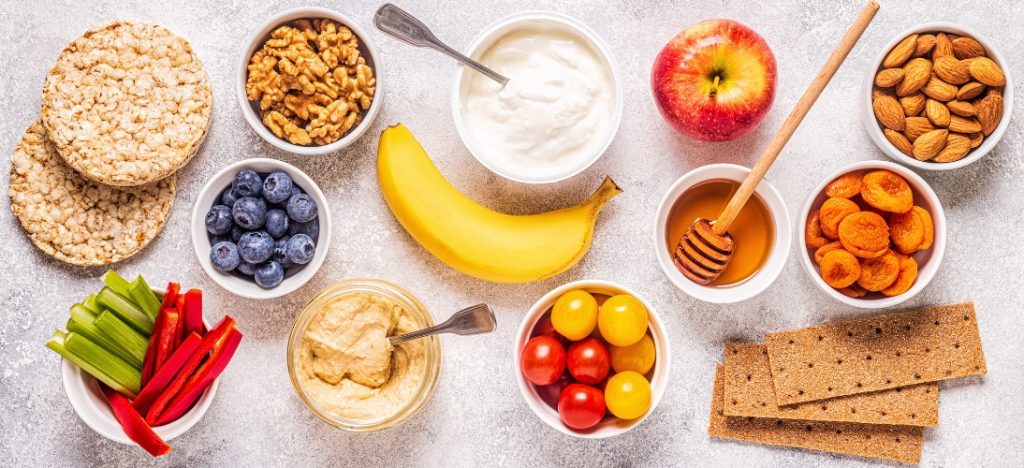
When you’re craving something sweet, fresh fruit is an ideal choice. Fruits like apples, berries, and oranges are naturally sweet and packed with essential vitamins, minerals, and fiber.
Preparation: Combine the mixed berries and apple slices in a bowl. Drizzle with lemon juice and toss with mint leaves for a refreshing and satisfying fruit salad.
2. Greek Yogurt with Honey
Greek yogurt is high in protein and calcium, making it a great option for weight loss. Adding a drizzle of honey provides a touch of sweetness that can help curb your cravings for sugary snacks.
Suggested Recipe: Greek Yogurt Parfait
Ingredients:
Greek yogurt
Honey
Fresh fruit (such as berries or sliced bananas)
Granola
Preparation: Layer Greek yogurt with honey, fresh fruit, and a sprinkle of granola in a glass or bowl for a delightful and nutritious parfait.
3. Dark Chocolate
If you’re longing for chocolate, opt for dark chocolate with a high cocoa content (70% or more). Dark chocolate contains less sugar than milk chocolate and is rich in antioxidants.
Suggested Recipe: Dark Chocolate-Dipped Fruit
Ingredients:
Dark chocolate (70% cocoa or higher)
Strawberries
Apple slices
Banana slices
Preparation: Melt the dark chocolate and dip the fruit pieces into it. Allow the chocolate to harden before enjoying this healthy and satisfying dessert.
4. Nuts and Seeds
Nuts and seeds are excellent sources of healthy fats, protein, and fiber, making them a great choice for weight loss.
Suggested Recipe: Homemade Trail Mix
Ingredients:
Almonds
Walnuts
Sunflower seeds
Pumpkin seeds
A few chocolate chips
Preparation: Combine all ingredients in a bowl and mix well. Portion out into small containers for a perfect on-the-go snack.
5. Air-Popped Popcorn
For those who crave something salty and crunchy, air-popped popcorn is a fantastic low-calorie option. Popcorn is a whole grain that can be flavored with a variety of seasonings.
Suggested Recipe: Savory Popcorn
Ingredients:
Air-popped popcorn
Nutritional yeast
A light touch of sea salt
Garlic powder
Preparation: Air-pop the popcorn and sprinkle with nutritional yeast, sea salt, and garlic powder for a savory and satisfying snack.
6. Smoothies
Smoothies made with fresh fruits, vegetables, and a protein source like Greek yogurt or protein powder can be a nutritious way to satisfy sweet cravings.
Suggested Recipe: Green Berry Smoothie
Ingredients:
Spinach
Frozen berries (strawberries, blueberries)
Banana
Scoop of protein powder
Preparation: Blend the spinach, frozen berries, banana, and protein powder with water or almond milk until smooth for a quick and nutritious smoothie.
7. Hummus with Vegetables
If you’re craving something savory, hummus with vegetable sticks is a great alternative to chips and dip. Hummus is made from chickpeas, which are high in protein and fiber, while vegetables like carrots, cucumbers, and bell peppers add a satisfying crunch and additional nutrients.
Suggested Recipe: Hummus and Veggie Platter
Ingredients:
Hummus
Carrot sticks
Cucumber slices
Bell pepper strips
Cherry tomatoes
Preparation: Arrange the vegetables on a platter and serve with a bowl of hummus for a healthy and filling snack.
Use these food recipes to satisfy cravings while staying on track with your weight loss goals. And when you want to amp up your body goals, ask our expert nutritionists for the right nutrition options and our doctors for the right treatments for your body goals. Message us to book a consultation today!
Weight Loss Diet for Meat Lovers: Embracing the Paleo Approach
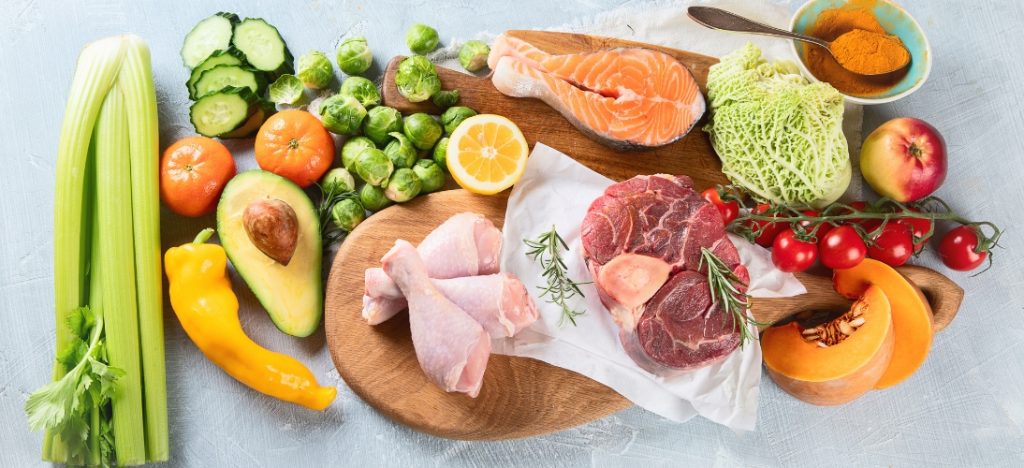
If you’re a meat lover trying to manage your weight while enjoying your favorite foods, the Paleo diet may be for you. This diet focuses on consuming whole, unprocessed foods that mimic those of our ancestors from the Paleolithic era. Here’s a list of foods that align with the Paleo diet principles and may support sustainable weight loss for meat enthusiasts.
Benefits: Fruits provide natural sweetness and essential nutrients without added sugars and processed ingredients.
6. Nuts and Seeds
Options: Almonds, walnuts, chia seeds, flaxseeds.
Benefits: Nuts and seeds are high in healthy fats, fiber, and protein, which can help you curb cravings and give you energy throughout the day.
7. Healthy Fats
Options: Avocado, olive oil, coconut oil.
Benefits: These provide essential fatty acids, which can help you feel full and satisfied after meals.
Tips for a Successful Paleo Diet
Eat Whole Foods: Choose unprocessed foods and avoid additives, preservatives, and refined sugars.
Stay Hydrated: Drink plenty of water throughout the day to support metabolism and overall health.
Moderation with Fruits: While fruits are Paleo-friendly, be mindful of portion sizes, especially if weight loss is your goal!
The Paleo diet offers a practical and enjoyable approach for meat lovers aiming to lose weight while enjoying a variety of nutrient-dense foods. By focusing on whole and unprocessed foods and incorporating lean meats, fatty fish, fruits, and vegetables, you can support long-term and sustainable weight loss.
Discover if the Paleo diet is right for you. Book a consultation with Marie France for a holistic approach to weight loss!
Does Pilates Help with Weight Loss?
Pilates can indeed help you with long-term weight loss, especially if you practice it frequently. From sculpting muscles to enhancing core strength and fostering mindfulness, Pilates offers a low-impact approach to achieving sustainable results.
The Pilates Approach to Weight Loss
Pilates emphasizes core strength, flexibility, and alignment. While it is not exactly the first choice of physical activity for weight loss, it still offers great benefits.
A study reveals that Pilates can dramatically reduce body weight and body fat percentage in adults who are overweight or obese.
How Pilates Supports Weight Loss
While Pilates may not burn as many calories as high-intensity workouts like cardio or HIIT, its benefits for weight loss are still significant:
Muscle Toning: By building lean muscle mass, Pilates can boost your metabolism and enhance your body’s ability to burn calories both during and after your workout.
Core Activation: Pilates focuses on strengthening the core muscles, including the abdominals, obliques, and lower back, which can improve your body’s efficiency in movement and support healthy weight management.
Mind-Body Connection: By practicing mindfulness during your Pilates sessions, you can cultivate a greater sense of body awareness and self-control, making it easier to make healthy choices and stick to your weight loss goals.
Tips to Get Started on Pilates
Ready to harness the power of Pilates for your weight loss journey? Here are some practical tips for incorporating Pilates into your routine:
Start Slow: If you’re new to Pilates, begin with beginner-friendly classes or private sessions to familiarize yourself with the basic principles and movements.
Be Consistent: Aim to practice Pilates at least 2-3 times per week to see noticeable improvements in strength, flexibility, and overall fitness. Consistency is key to reaping the full benefits of Pilates for weight loss!
Mix It Up: Pilates can be highly effective on its own but consider complementing your Pilates routine with other forms of exercise, such as cardio or strength training!
Ready to hit the Pilates reformer? If youÔÇÖre looking for sustainable and effective weight loss with the help of certified experts, book a consultation with Marie France!
Change Your Habits To Lose Hormonal Belly
Do you suspect that hormonal imbalance might be the reason for your weight gain around your abdomen? HereÔÇÖs how you can lose the hormonal belly naturally.
Picture this: You’re diligently following a healthy diet and exercise regimen, yet that stubborn belly fat just won’t budge! What gives?
At Marie France, we know very well that exercise and diet may not have the same impact on everyone. Your body may react differently (perhaps more slowly) to your weight loss efforts.
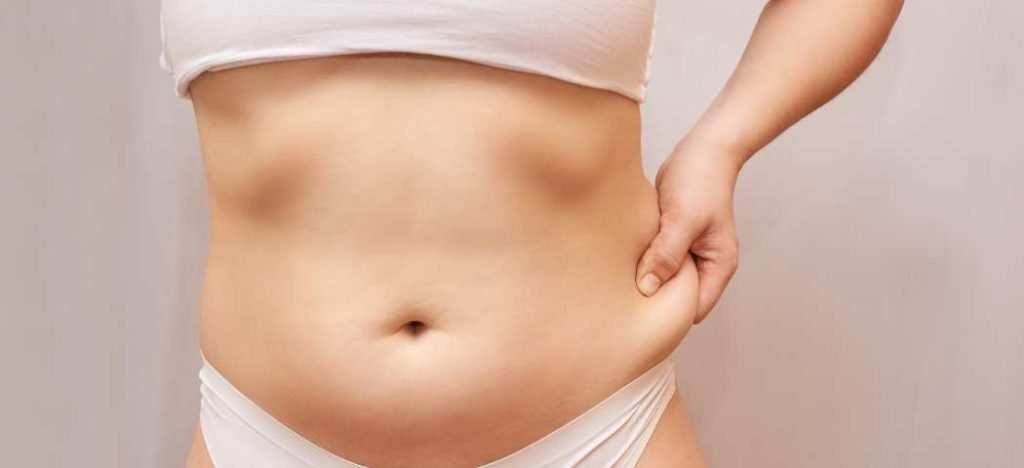
Hormonal belly, also known as visceral fat, refers to excess fat around the abdomen due to hormonal imbalances.
Unlike subcutaneous fat, which lies just beneath the skin, visceral fat surrounds vital organs in the abdominal cavity and is associated with an increased risk of metabolic disorders and chronic diseases.
Causes of Hormonal Belly
Several factors contribute to the development of a hormonal belly:
Insulin Resistance: Developing a hormonal belly is common among diabetics. Insulin often leads to elevated blood sugar levels and increased fat storage, particularly around the abdomen.
Cortisol Imbalance: Chronic stress can trigger the release of cortisol, the body’s primary stress hormone, which can promote the accumulation of visceral fat and lead to insulin resistance and metabolic dysfunction.
Estrogen Dominance: Hormonal fluctuations, particularly in estrogen levels, can contribute to fat storage around the abdomen, especially in women approaching menopause or experiencing hormonal imbalances.
Thyroid Dysfunction: Thyroid disorders such as hypothyroidism can slow down metabolism and lead to weight gain, especially in the belly.
How to Shed Hormonal Belly Naturally
Here are some strategies to effectively deal with hormonal belly and achieve a slimmer waistline:
Balanced Nutrition: Minimize processed foods, refined sugars, and excessive alcohol consumption, which can contribute to insulin resistance and visceral fat accumulation.
Regular Exercise: Incorporate a combination of aerobic exercise, strength training, and high-intensity interval training (HIIT) into your routine to boost metabolism, burn calories, and reduce visceral fat. Aim for at least 150 minutes of moderate-intensity exercise per week.
Stress Management: Practice stress-reduction techniques such as mindfulness, deep breathing, yoga, or meditation to lower cortisol levels and promote relaxation. Also, prioritize adequate sleep and self-care practices to support overall well-being.
Hormonal Optimization: Consult with healthcare professionals to address underlying hormonal imbalances that may be contributing to hormonal belly.
At Marie France, we’re here to provide personalized solutions tailored to your unique needs and goals. If you would like more guidance on how to lose hormonal weight effectively, we offer consultations!
Contact us today to learn more about our comprehensive weight loss programs and start your journey towards a slimmer, healthier you.
Hormone Hiccups: The Scoop on Hormonal Imbalances
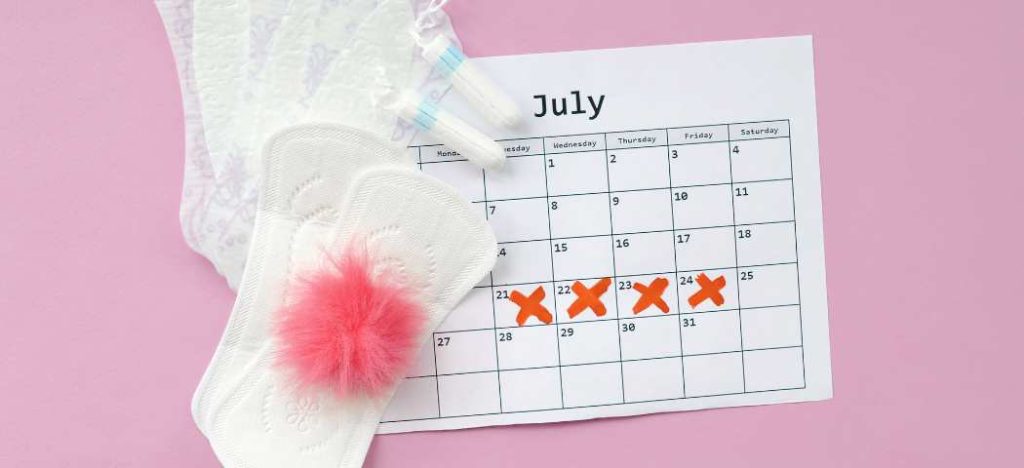
Menstrual cycles are like monthly reminders from your body that your hormonal activity shifts and changes. Unfortunately, the menstrual cycle brings hormonal imbalance effects that disrupt your bodyÔÇÖs natural rhythm, leaving you feeling out of sync.
In this article, weÔÇÖll explore how hormones and menstruation go hand-in-hand with hormonal imbalance, while finding a way to help you navigate the menstrual maze with confidence!
The Hormonal Symphony of Menstruation
Your menstrual cycle is orchestrated by a delicate interplay of hormones, each playing a unique role in preparing your body for potential pregnancy. Here are the main players:
Estrogen: Estrogen levels rise during the first half of your cycle, stimulating the growth of the uterine lining in preparation for a potential fertilized egg.
Progesterone: After ovulation, progesterone levels increase to support the thickened uterine lining and prepare for pregnancy. If pregnancy does not occur, progesterone levels drop, triggering menstruation.
Follicle-Stimulating Hormone (FSH) and Luteinizing Hormone (LH): FSH and LH regulate the menstrual cycle by stimulating the growth and release of eggs from the ovaries during ovulation.
How Hormonal Imbalance Impacts Our Menstrual Health
When hormones fall out of balance, it can disrupt the delicate orchestration of your menstrual cycle, leading to a variety of symptoms and irregularities such as:
Irregular Menstrual Cycles: Hormonal imbalances, such as estrogen dominance or PCOS, can cause irregularities in your menstrual cycle, including missed periods, prolonged cycles, or unpredictable bleeding patterns.
Heavy or Painful Periods: Imbalances in estrogen and progesterone levels can lead to heavy or painful periods, also known as menorrhagia and dysmenorrhea, respectively. These symptoms can be debilitating and impact your quality of life.
Premenstrual Syndrome (PMS): Fluctuations in hormone levels, particularly estrogen and serotonin, can contribute to PMS symptoms such as mood swings, irritability, bloating, and cravings in the days leading up to menstruation.
Amenorrhea: Hormonal imbalances, stress, extreme weight loss or gain, and certain medical conditions can cause amenorrhea, the absence of menstruation for several months or longer. This condition requires medical evaluation and treatment.
Managing Hormonal Imbalance for Menstrual Wellness
At Marie France, we take a holistic approach to menstrual health and hormonal balance, offering personalized solutions to support your well-being:
Nutrition counseling and dietary modifications to support hormonal balance and alleviate menstrual symptoms.
Individualized treatment programs to support menstrual health and overall well-being.
Behavioral support and guidance to help you navigate menstrual challenges and achieve a balanced lifestyle.
By recognizing the signs of hormonal imbalance and asking for support from healthcare professionals, you can give yourself the right care over your menstrual health!
At Marie France, we’re committed to providing personalized solutions and support to help you achieve menstrual wellness and overall vitality. Book a consultation today!
On Aging and Hormonal Imbalance
As we age, many natural changes such as shifts in hormonal balance start to influence many aspects of our health and vitality. And the thing is thats completely normal!
In this article, we’ll talk about the connection between aging and hormonal imbalance, and how we can address them healthily.
Aging and Hormonal Changes
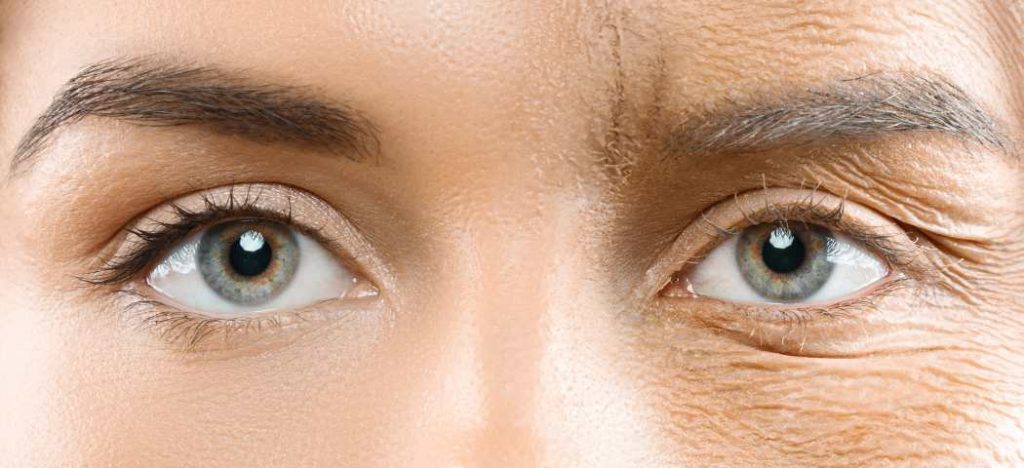
Aging is a natural process characterized by a gradual decline in various bodily functions, including hormonal production and regulation.
As we age, our bodies produce less of certain hormones, leading to imbalances that can impact our health. Let’s spot these key hormonal changes associated with aging:
Estrogen Decline: In women, estrogen levels decline as they approach menopause, resulting in symptoms such as hot flashes, night sweats, mood swings, and vaginal dryness. This decline in estrogen can also affect metabolism and contribute to weight gain, particularly around the abdomen.
Testosterone Decline: Men experience a gradual decline in testosterone levels as they age, leading to symptoms such as decreased muscle mass, increased body fat, reduced libido, and fatigue. Testosterone plays a crucial role in metabolism and energy levels, so its decline can impact weight management and overall vitality.
Thyroid Dysfunction: Thyroid hormones regulate metabolism and energy expenditure, but thyroid function can decline with age, leading to symptoms such as fatigue, weight gain or loss, and changes in body temperature. Thyroid disorders become more common as we age, particularly hypothyroidism (underactive thyroid).
Navigating Hormonal Changes with Marie France
At Marie France, we offer effective solutions for navigating hormonal changes depending on your needs:
Tailored nutritional counseling and dietary adjustments to support hormonal changes and promote healthy weight management.
Planning individualized treatment programs designed to help address hormonal changes and boost overall wellness.
Guidance and behavioral support to help you deal with the emotional and physical changes brought by hormonal changes.
When we understand the relationship between aging and hormonal imbalance, we become aware and recognize these changes as a natural part of life. And when we have the proper knowledge and guidance, we can navigate the challenges of aging with confidence!
Contact us today to learn more about our personalized approach to address your body concerns!
Dip, Cook, Slim! Olive OilÔÇÖs Weight Loss Wonders
In the cooking world, olive oil stands out as one of the culinary treasures best known for adding flavor to dishes as well as having its own health benefits. But are the stories true that olive oil can also be used as an ingredient for sustainable weight loss?
LetÔÇÖs find out!
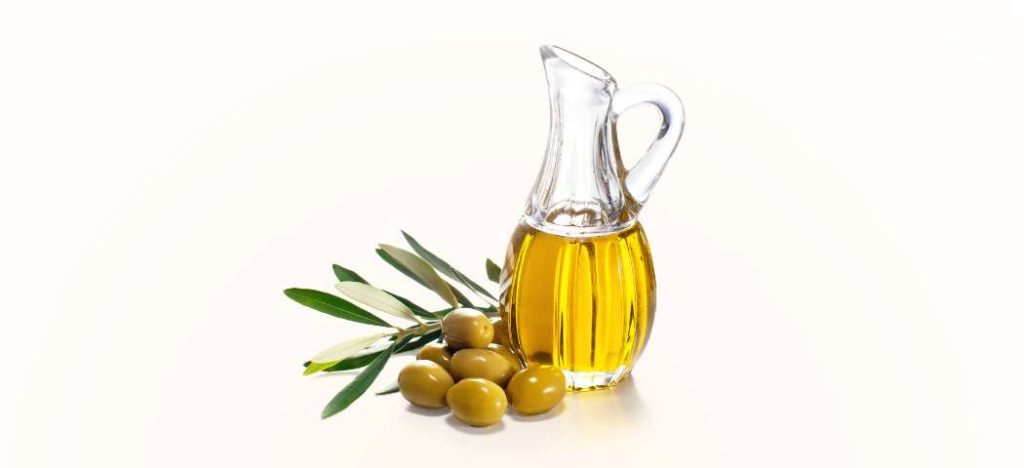
Rich in monounsaturated fats, antioxidants, and anti-inflammatory properties, olive oil offers a unique combination of nutrients and culinary versatility that can support your health goals in various ways! So yes, it can actually support you in your weight loss journey!
How Olive Oil Helps in Weight Loss
Incorporating olive oil into your diet may promote weight loss through:
Satiety and Appetite Control
The monounsaturated fats in olive oil have shown to increase feelings of fullness, helping to curb cravings and reduce overall calorie intake. This means you may feel more satisfied and less likely to overeat when you razzle dazzle some olive oil in your meals!
Metabolism Boost
Olive oil contains compounds like oleic acid, which can help enhance metabolic rate and fat oxidation. By supporting efficient energy utilization, olive oil may help optimize your body’s ability to burn calories and promote weight loss.
Nutrient Absorption
The healthy fats in olive oil can improve the absorption of fat-soluble vitamins and nutrients, such as vitamin E from other food. By enhancing nutrient absorption, olive oil supports overall health and may contribute to better weight management.
Drizzle Olive Oil and Make Your Weight Loss Plan Work:
Choose Extra Virgin Olive Oil
Extra virgin olive oil undergoes minimal processing and retains the highest levels of antioxidants and beneficial compounds. Use it for salad dressings, saut├®ing, and drizzling over cooked dishes for maximum flavor, and of course, added health benefits!
Practice Portion Control
While olive oil is nutritious, it’s also calorie-dense. A friendly reminder to use it in moderation to avoid excess calorie consumption! Measure your portions carefully. Aim for no more than 1-2 tablespoons per meal.
Pair with Whole Foods
Combine olive oil with nutrient-rich whole foods like vegetables, fruits, whole grains, and lean proteins to create balanced, satisfying meals. Use olive oil as a base for marinades, dips, and sauces to enhance the flavor and nutritional value of your dishes!
Using olive oil in moderation can help you enjoy delicious meals as you nourish your body and achieve your weight loss aspirations. At Marie France, we believe in the power of whole, nutrient-dense foods to support your health and fitness goals! Learn more and book a consultation with us!
Brisk Walking for Sustainable Weight Loss
Sometimes, the simplest step to achieving sustainable weight loss can actually start with your step count!
The Power of Walking
Did you know that walking is actually one of the most effective forms of exercise, offering so many benefits for both physical and mental health?
Brisk walking is a simple yet powerful way to burn calories, improve cardiovascular health, and boost overall well-being. ItÔÇÖs also a great way to start your weight-loss journey if youÔÇÖre looking for something low-impact!
Brisk Walking Works as a Weight Loss Exercise. HereÔÇÖs How:
Calorie Expenditure:
Walking burns calories, plain and simple. The more steps you take, the more energy your body expends, helping create a calorie deficit necessary for weight loss. Even moderate-intensity walking can significantly contribute to your daily energy expenditure.
Metabolic Boost:
Brisk walking can help rev up your metabolism, especially when you walk consistently! Regular physical activity, like brisk walking, can increase your metabolic rate and improve fat burning, making it easier to shed excess pounds and maintain a healthy weight.
Appetite Regulation:
Engaging in physical activity like walking can help regulate appetite hormones, such as ghrelin and leptin, which control hunger and satiety signals. By reducing cravings and promoting feelings of fullness, brisk walking can support healthier eating habits and prevent overeating.
How Many Steps a Day To Lose Weight?
While the ideal number of steps for weight loss may vary depending on individual factors such as age, weight, and fitness level, you can aim for a daily goal of 10,000 steps. However, even taking fewer steps can still provide significant health benefits, so focus on increasing your activity level gradually and finding a pace that works for you.
How to Start:
To make walking a regular part of your weight loss strategy, consider the following tips:
Start Slowly:
If you’re new to exercise or have been inactive for a while, start with shorter walks and gradually increase your duration and intensity over time. Aim for at least 30 minutes of brisk walking most days of the week.
Find Opportunities to Walk:
Look for opportunities to add walking into your daily routine, such as walking to work, taking the stairs instead of the elevator, or going for a stroll during your lunch break. Every step counts!
Make It Enjoyable:
Choose scenic routes, listen to music or podcasts, or invite a friend to join you for a walk to make the experience more enjoyable. Finding activities you enjoy can help you stay motivated and stick to your walking routine.
At Marie France, we donÔÇÖt just let you walk out of the clinic without equipping you with weight loss tips!
We want to help you achieve your body goals in a sustainable way. Beyond our slimming treatments, you can get the best results if you tweak your daily habits little by little to support your slimming progress.
Wanna get started? Book an appointment with Marie France today!
Why Weight? Hormonal Imbalance Blues on Weight Management
How many times have we heard about hormones having a power on our bodies? And how many people are affected by these hormonal imbalances? Countless times! From hereon, itÔÇÖs always an uphill battle.
Here at Marie France, we understand the challenges and emotions that come along with dealing with hormonal imbalance effects. As we talk about this condition, we hope to offer you a comprehensive approach to weight management so that you could be properly guided on your wellness journey!
Understanding Hormonal Imbalances and Weight Management
Hormonal imbalances can cause conditions such as:
Insulin resistance
Thyroid dysfunction
Adrenal fatigue
These conditions can disrupt the body’s metabolic processes and contribute to weight gain. Elevated levels of insulin, cortisol, or estrogen, for example, can promote fat storage, increase appetite, and impair the body’s ability to burn calories efficiently. As a result, individuals with hormonal imbalances may struggle to lose weight despite their best efforts.
Comprehensive Solutions for Weight Management
At Marie France, we take a holistic approach to weight management through our treatments, alongside planning a healthy lifestyle with you to address both your underlying hormonal imbalances and lifestyle choices contributing to weight gain.
Here’s how we can help you achieve lasting results:
Personalized Nutrition Plan
Our nutritionists design personalized meal plans that support hormonal balance and promote sustainable weight loss. Emphasizing nutrient-dense whole foods, balanced macronutrient ratios, and blood sugar stabilization, our nutrition plans help regulate appetite, optimize metabolism, and support overall well-being.
Stress Management Techniques
Through our behavioral specialists, we help with stress management that is crucial for hormonal balance and weight management. Through mindful practices, relaxation techniques, and stress-reduction strategies, we help individuals to lower cortisol levels, reduce emotional eating, and cultivate resilience in the face of stressors.
Overall Support
Our team of experts provide ongoing support, accountability, and personalized strategies to help individuals overcome challenges and stay on track with their weight loss goals. Whether it’s adjusting nutrition plans, modifying exercise regimens, or addressing emotional triggers, we’re here to support each individual on their health journey.
You donÔÇÖt have to navigate weight management alone. WeÔÇÖre committed to provide you with personalized solutions that empower you to achieve lasting results while being healthy and happy. Contact us today to learn more about how we can plan a comprehensive weight management program made just for you.
Sneaky Factors That Disrupt Hormones and May Impact Weight
From everyday pollutants to dietary toxins, these “hormonal hijackers” can sabotage our efforts to achieve healthy weight loss.
How Does Hormonal Disruption Happen?
Hormones help regulate metabolism, appetite, and energy balance. However, certain environmental factors can interfere with the body’s hormonal signaling pathways, leading to dysregulation and dysfunction.
These factors, known as “hormonal hijackers,” include:
Endocrine-Disrupting Chemicals (EDCs):
Found in everyday products such as plastics, pesticides, and personal care products, EDCs can mimic or interfere with the body’s natural hormones, leading to hormonal imbalances and weight gain.
Poor Diet:
Processed foods, artificial additives, and excessive sugar consumption can disrupt hormone levels, leading to insulin resistance, leptin resistance, and increased fat storage.
Stress:
Chronic stress triggers the release of cortisol, the body’s primary stress hormone, which can lead to hormonal imbalances and abdominal weight gain.
Sleep Deprivation:
Inadequate sleep can disrupt the body’s circadian rhythms and hormone production, leading to imbalances in cortisol, ghrelin, and leptin levels, which can contribute to weight gain.
How Hormones Affect Weight Management
The effects of environmental hormone disruptors on weight management can be profound. Hormonal imbalances can lead to:
increased appetite
cravings for unhealthy foods
decreased metabolism
difficulty losing weight, despite efforts to eat well and exercise regularly
Additionally, hormonal disruption can contribute to stubborn fat deposits, particularly in the abdominal area, which are notoriously difficult to lose.
Counteracting Hormonal Hijackers
At Marie France, we take a comprehensive approach to weight management that addresses both hormonal imbalances and environmental factors contributing to weight gain. Here are some strategies to counteract hormonal hijackers and support optimal weight loss:
Clean Eating:
Choose organic produce and hormone-free meats whenever possible to minimize exposure to pesticides and hormones.
Stress Management:
Practice stress-reduction techniques such as meditation, deep breathing, yoga, and massage to lower cortisol levels and promote hormonal balance.
Sleep Hygiene:
Prioritize quality sleep by creating a relaxing bedtime routine and practicing good sleep hygiene habits.
Hormonal Support:
Consider supplements and herbs that support hormonal balance, such as omega-3 fatty acids, magnesium, vitamin D, and adaptogenic herbs like ashwagandha and rhodiola.
At Marie France, we’re committed to helping our clients achieve their weight loss goals by addressing both hormonal imbalances and environmental factors contributing to weight gain.
Contact us today to learn more about our personalized weight loss programs and start your journey towards a healthier, happier you!