Connecting The Dots: PCOS and Weight Loss Edition
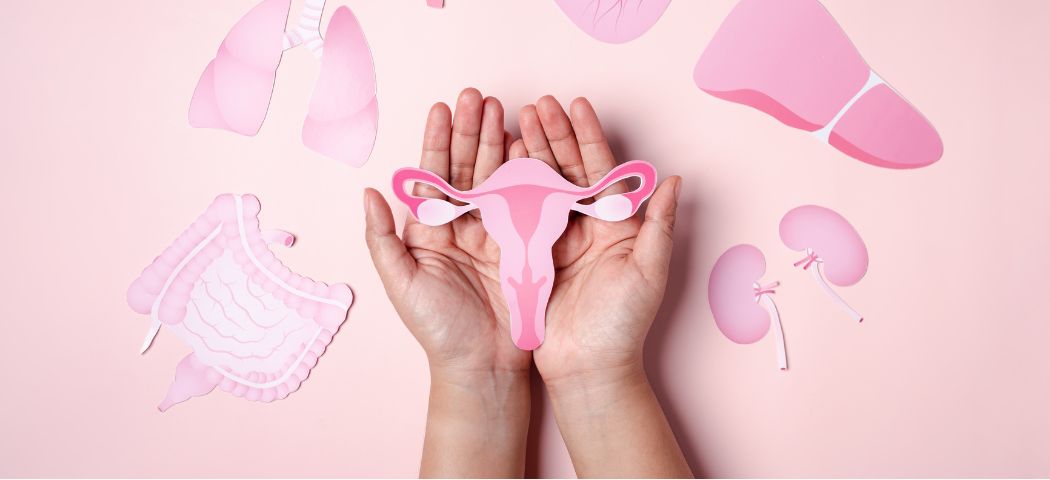
Polycystic ovary syndrome (PCOS) and weight gain have always been in a ÔÇ£complicated relationshipÔÇØ status. With hormonal imbalances, insulin resistance, and ovarian cysts involved, weight gain and maintaining a healthy weight can be challenging.
LetÔÇÖs take a closer look at the challenges with PCOS and weight gain and how to manage them at your own pace and capabilities!
Why PCOS and Weight Gain Are In A Complicated Relationship
Aside from the common symptoms of PCOS such as irregular menstrual cycles and ovarian cysts, one of PCOS is also heavily linked to insulin resistance. ItÔÇÖs where the bodyÔÇÖs cells become resistant to insulin, leading to high blood sugar levels and increased fat storage.
Insulin resistance can contribute to weight gain, particularly in the abdominal region or midsection, and make it challenging to lose weight despite efforts to diet and exercise.
Another factor contributing to weight gain is the excess androgens. This can lead to increased appetite and cravings for high-calorie food. These hormonal imbalances create a vicious cycle of weight gain and insulin resistance, making it difficult for women with PCOS to achieve and maintain a healthy weight.
Why Weight Management is Hard with PCOS
Managing weight with PCOS presents unique challenges due to:
- Insulin Resistance
- Metabolic Dysfunction
- Hormonal Imbalances
Take Care of PCOS by
- Healthy Eating Habits: Eating a balanced diet can help regulate blood sugar levels and improve insulin sensitivity.
- Regular Exercise: Engage in regular physical activity to promote weight loss, improve insulin sensitivity, and support overall health.
- Stress Management: Practice stress management techniques such as mindfulness meditation, deep breathing exercises, and regular physical activity to reduce stress levels and support weight management.
- Medical Treatment: Consult with a healthcare professional or endocrinologist for medical treatment options to manage PCOS symptoms and support weight loss efforts.
PCOS is a condition that should not hinder you from living your best life. All you need to do is to adapt to a healthier lifestyle, talk to your doctor about it, and get the proper treatment needed. You donÔÇÖt have to do it alone!
By taking proactive steps to manage weight effectively, women with PCOS can improve their overall health and well-being and reduce the risk of complications associated with the condition.
Ready to start your wellness journey? Book a consultation today!
Understanding Hormonal Weight Gain: How Hormones Influence Body Composition
How do you prevent hormonal weight gain? You need regular exercise, a balanced diet, stress management, and adequate sleep to support your hormonal health and weight management.
Why Do Hormones Make You Gain Weight?
When hormones are in balance, they help maintain a healthy weight by signaling the body to use energy efficiently and regulate hunger and satiety cues.
However, when hormonal balance is disrupted, it can lead to changes in:
- Appetite
- Metabolism
- Fat storage
Imbalanced hormones can foil your attempts at weight loss, ultimately contributing to weight gain.
Conditions such as insulin resistance, thyroid disorders, and adrenal dysfunction can further disrupt hormonal balance and contribute to weight gain.
Signs and Symptoms of Hormonal Imbalance
Common signs of hormonal imbalance include:
- Unexplained weight gain
- Difficulty losing weight
- Irregular menstrual cycles
- Fatigue
- Mood swings
- Changes in appetite or cravings
If you suspect you have a hormonal imbalance, it’s essential to consult with a healthcare provider for proper evaluation and management.
How to Manage Hormonal Weight Gain
Lifestyle modifications such as regular exercise, a balanced diet, stress management, and adequate sleep can help support hormonal balance and weight management.
GET ENOUGH SLEEP: The National Sleep Foundation recommends that adults aim for 7-9 hours of sleep per night to promote overall health and well-being.
STAY PHYSICALLY ACTIVE: The American Heart Association advises at least 150 minutes of moderate-intensity aerobic activity weekly for adults, along with muscle-strengthening activities on two or more days a week.
MANAGE YOUR STRESS: To manage stress, the American Psychological Association suggests strategies like mindfulness, engaging in hobbies, and maintaining social connections to promote mental well-being.
Additionally, medications or hormone therapy may be prescribed to address specific hormonal imbalances associated with conditions such as PCOS or menopause.
How Marie France Can Help Manage Hormonal Weight Gain
Hormonal weight gain is not a result of a lack of willpower or discipline; it’s a complex interplay of various factors that require personalized care and attention.
At Marie France, we have a team of certified doctors and slimming experts who understand the complexities of weight management, including hormonal imbalances.
Our personalized weight loss programs are attuned to your needs if you are afflicted with hormonal imbalances.
Start your journey to effective weight loss with Marie France.
Book a consultation today!
Is a Plant-Based Diet Affordable in the Philippines?
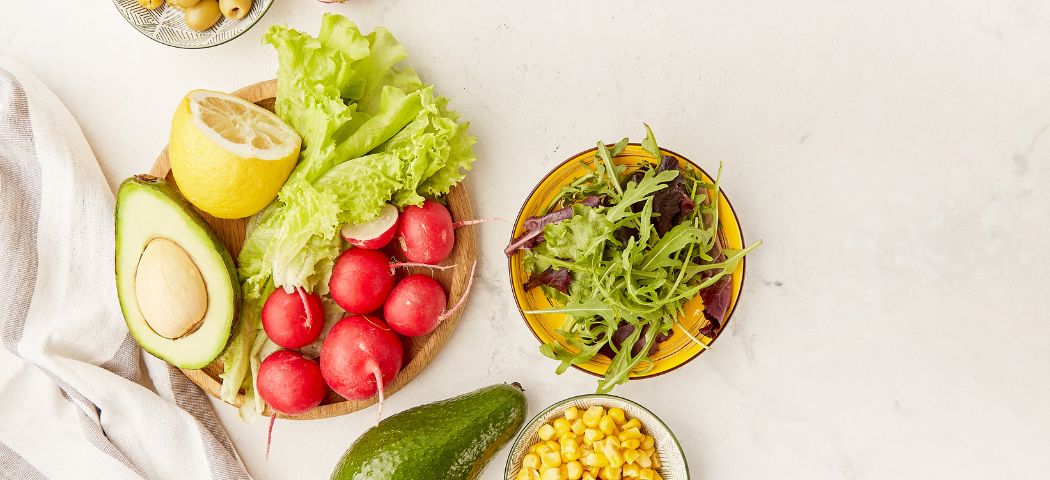
Long-term weight loss can only be achieved through sustainable healthy eating. One popular approach to healthy eating is adopting a plant-based diet, but is it affordable in the Philippines?
So, you’ve decided to dive into the world of plant-based eating for a healthier you, but a burning question lingers: is it affordable, especially in a place like the Philippines where meat and seafood often rule the menu?
Before we start fretting over the cost, let’s break it down in a way that won’t make your wallet scream for mercy!
Plant-Based Diet, Simplified
First off, let’s clarify and get our greens straight.
A plant-based diet isn’t just about nibbling on leaves like a rabbit. A plant-based meal is typically rich in fiber which can help you feel full longer. It is often lower in calories and unhealthy fats, making it easier to manage your weight.
So what goes in a plant-based meal? ItÔÇÖs a medley of whole, minimally processed plant foods such as:
- Fruits and vegetables
- Plant-based proteins (ex: tofu, brown rice, oats, nuts, seeds, legumes)
- Whole grain bread, pasta, and cereals
- Plant-based ÔÇ£meatsÔÇØ (ItÔÇÖs a substitute for animal-derived meat, mostly made up of vegetables, legumes, and grains!)
This diet is associated with numerous health benefits, packing a punch against chronic diseases and extra pounds while boosting your overall well-being.
Misconceptions About the Cost of Plant-Based Food
One of the main misconceptions about plant-based diets is that they are expensive.
While it’s true that some specialty and fancy schmancy plant-based products and ingredients can be pricey, a plant-based diet can consist of affordable staples that are readily available in the Philippines.
Think fruits and veggies ÔÇö fresher and friendlier in your wallet. These are often more affordable than meat and seafood, especially when purchased in season or from local markets.
Practical Tips for Affordability
- Support Local: Hit up your nearby market or palengke for a wide selection of affordable and fresh produce. Plus, buying local helps support your community ÔÇô it’s a win-win!
- Buy in Bulk: Purchase staple items like beans, lentils, and grains in bulk to be your budgetÔÇÖs bestie. ItÔÇÖll help you save money in the long run!
- Chef It Up At Home: Frequent eating out can be crazy expensive, so, whip out those pots and pans and get cooking with wholesome, plant-based goodness!
- Plan Meals Like A Pro: Take some time each week to plan your meals and snacks in advance, making use of ingredients you already have on hand to maximize your nutrient intake while you minimize waste. Double win!
- Explore Budget-Friendly Recipes: Google and cookbooks are your recipe guru! Look for budget-friendly plant-based recipes that use simple and affordable ingredients. Get creative with substitutions and modifications that will tickle your taste buds without tickling your wallet.
- Grow Your Own Produce: If you’ve got a patch of space or even just a window sill, why not try your hand at growing your own vegetables or herbs? It’s like printing money, but greener!
Need more weight loss guidance?
Now, of course we canÔÇÖt expect that youÔÇÖll wake up tomorrow with a six-pack just because you swapped your normal burger for a plant-based one. Weight loss takes time and patience as we know it, but hey, every little green bite counts!
Remember that small changes add up over time, so don’t be discouraged if it takes time to adjust to this new way of eating.
And if you need a helping hand (or a gentle push) on your weight loss journey, our Slimming Consultants at Marie France are here for you. We believe in a holistic body transformation supported by sustainable habits and nutrition.
Book a consultationtoday!
Skip the Calorie Math: Try These Weight Hacks Instead
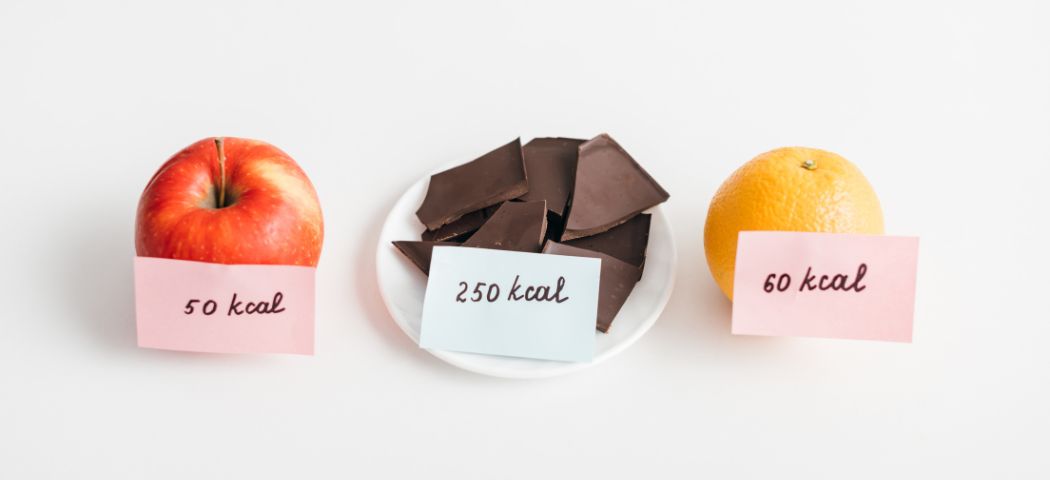
So, you know that age-old advice about calorie counting? Well, turns out it might not be the golden ticket to your dream bod after all.
But fear not! In this article, we’ve got some super fun alternatives to share that will have you feeling fabulous achieving health and wellness without the stress of counting every single calorie.
The Dooming Effects of Calorie Counting
Here are some limitations to spot when you calorie count:
- Focuses Solely on Quantity Over Quality: So, you’ve probably been there, meticulously tallying up every calorie like it’s the score in a video game. But here’s the deal: focusing solely on the numbers means you might be missing out on the good stuff ÔÇô all the vitamins, minerals, and other nutrients packed in foods that actually keep you healthy and happy.
- Ignores Unique, Individual Calorie Needs: Every person is unique and so are their caloric needs! Factors such as age, gender, weight, activity level, and metabolism plays a big role in why generic calorie recommendations may not accurately reflect a personÔÇÖs unique energy requirements. This may either lead to overeating or undereating in the long run.
- Promotes a Restrictive Mindset: Counting calories can feel like being trapped in a food jail, where every bite comes with a side of guilt. This restrictive approach to eating affects how you view your eating habits and may lead to disordered eating behaviors.
Stop Counting Calories by
- Balancing Your Diet: Picture this: a plate piled high with all the colors of the rainbow ÔÇô juicy fruits, crunchy veggies, hearty grains, and lean proteins. Now that’s what we call a balanced meal! Forget about the numbers and shift your focus on filling your plate with foods that nourish your body from the inside out. Your body will thank you for giving it the important nutrients it needs!
- Eating Leafy Greens: These green leafy vegetables might look frail, but are packed with fiber, vitamins, minerals, and antioxidants and lower caloriesÔÇômaking it a good choice for weight loss and overall health! So go ahead, pile those greens high and let your taste buds do a happy dance!
- Forming Healthy Eating Habits: Imagine a world where you can eat without constantly feeling guilty about it. Guess what? ItÔÇÖs possible! You can do that when you practice mindful eating by paying attention when youÔÇÖre hungry or full, eat slowly and savor each bite! Choose nourishing, satisfying foods that fuel your body and leave you feeling energized and satisfied.
- Include Fats, The Healthy Ones! Not all fats are unhealthy! Healthy fats like avocados, nuts, seeds, and olive oil are good support for overall health as they are important in balancing diet, while keeping you full.
No one-size-fits-all when it comes to weight loss! ItÔÇÖs important to know the different factors that can affect oneÔÇÖs weight and how we deal with them in your own terms.
Take a holistic approach to health and wellness with Marie France! Book a consultation with us!
Clean Eating for Busy People: How to Make Quick Adult Lunchables
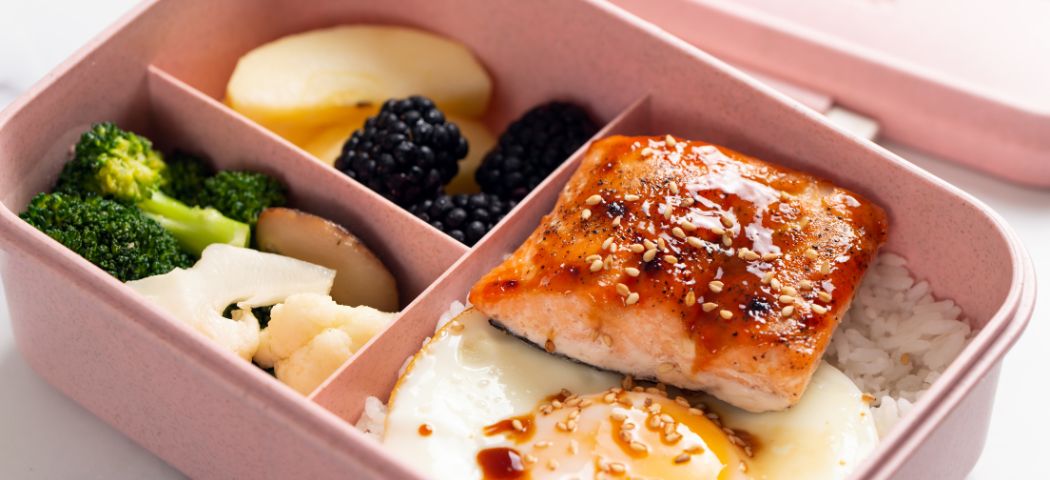
Explore how you can create quick and convenient adult lunchables that are packed with nutrients and flavor, perfect for busy people striving for proper weight management through a balanced diet.
Clean Eating
Clean eating involves consuming whole, minimally processed foods that are rich in nutrients and free from artificial additives and preservatives. There are many variations of clean eating; one may define clean eating as consuming food that is as close as possible to its original state. Think vibrant fruits, crunchy veggies, and protein-packed foods that’ll satisfy your cravings and boost your energy levels while promoting weight management and improved well-being.
This is What a Balanced Diet Looks Like
A balanced diet consists of a variety of nutrient-dense foods, including:
- Protein
- Whole Grains
- Fruits and Vegetables
- Dairy or Dairy Alternatives
- Nuts and Seeds
When creating adult lunchables, fill it with a little bit of everything from different food groups to make sure you’re getting a well-rounded meal that provides essential nutrients and satisfies hunger. It’s like a mini buffet of goodness right at your fingertips!
Quick and Easy Adult Lunchables Ideas
Adult lunchables are easy to prepare. Little to no cooking is required. Here are some ideas to get you started:
Protein
- Sliced deli turkey or chicken
- Hard-boiled eggs
- Sliced cheese
- Hummus
- Smoked salmon slices
Whole Grains
- Whole grain crackers
- Mini pita bread
- Quinoa
- Whole grain bread
Fruits and Vegetables
- Sliced cucumbers and cherry tomatoes
- Carrot sticks
- Sliced bell peppers
- Grapes
- Berries
- Apple or pear slices
Dairy/Dairy Alternatives
- Greek yogurt
- Cottage cheese
- Almond or coconut milk yogurt
Nuts and Seeds
Extras (Condiments/Dips)
- Hummus for dipping
- Mustard or mayo packets
- Nut butter packets
These options offer a variety of nutrients and can be mixed and matched, allowing for a customizable and balanced adult lunchable.
Tips for Success
Ready to face lunchtime like a pro? Here are a few tips to keep in mind:
- Prep Ahead: Spend a little time each week prepping ingredients and assembling lunchables in advance to save time during busy weekdays.
- Portion Control: Pay attention to portion sizes and avoid overloading your lunchables with too much food. Aim to include a balance of protein, carbohydrates, and healthy fats in each meal.
- Stay Hydrated: Don’t forget to include a bottle of water or herbal tea with your lunchables to stay hydrated throughout the day.
- Mix and Match: Get creative and mix and match different ingredients and flavors to keep your lunchables exciting and enjoyable.
Whether you’re heading to the office, running errands, or traveling, whip up a batch of quick adult lunchables to keep you fueled and energized throughout the day.
If youÔÇÖre struggling with finding the right approach to nutrition for weight loss, you can find guidance at Marie France, where we believe in holistic body transformation. During consultation, one of our Slimming Consultants will ask you about your current diet, lifestyle, sleep quality, and more. From there, you will be given a personalized program to help you achieve your body goals!
Book a consultationtoday!
Tips and Tricks to Manage Stress
In this day and age, where living the modern life is all about working through rushed deadlines, juggling family responsibilities on the side, and carrying the weight of financial burdens, the stress piles up to the extremes! For those eyeing the prize on their weight loss journey, stress management is a big help to boost oneÔÇÖs weight loss results.
Are there answers to our stress management blues? LetÔÇÖs find out in this article to see how we can manage stress effectively and aim towards health and wellness.
The Stress Effect on Weight Loss
Stressing out about anything pushes our bodies into a frenzy because it releases cortisol, A.K.A. the ÔÇ£stress hormoneÔÇØ that increases appetite, cravings for high-calorie food, and fat storageÔÇôespecially in the tummy and overall weight gain!
Understanding Stress Eating
Ever get so stressed and eat all the comfort food you can think of? And instead of dealing with the cause of stress, you just opt for band-aid solutions that seek temporary relief? If you answered a resounding YES, then you might be causing disruption to your weight loss efforts and go through a cycle of emotional eatingÔÇöa common response to cope with your stress.
Remove Yourself From Stress By:
- Mindfulness Meditation
- Regular Exercise
- Healthy Eating Habits
- Stress Reduction Activities
- Seek Support
- Establish Boundaries
- Practice Gratitude
Achieving weight loss results should always be realistic, sustainable, and will not make you unhappy. Taking a holistic approach addresses both physical and emotional well-being. Talk to our Marie France experts to learn how we can address your wellness concerns!
Cope with Stress Eating Healthily!

Whenever weÔÇÖre stressed, weÔÇÖre almost always guilty of choosing the unhealthy path. One way we can cope with stress is to eat!
Today, weÔÇÖll explore how stress eating affects lifestyle and weight management and how we can cope with stress in healthier ways.
What is Stress Eating?
Also known as ÔÇÿemotional eatingÔÇÖ, stress eating makes you wolf down high-calorie and fatty food and provides some sort of temporary relief from negative emotions. But, in return, this behavior leads to increased overeating and weight gain, resulting in poor health outcomes.
ItÔÇÖs a seemingly unending cycle starting with a trigger: work deadlines, a never-ending list of to-dos, relationship conflicts, etc. Then, consuming food brings temporary relief from the pressures felt. Guilt or shame comes flooding in for eating unhealthily. This cycle goes on and on and makes it challenging to break free.
Stress Management Effects
Consuming high-calorie foods in response to stress can lead to weight gain and obesity over time, increasing the risk of chronic diseases such as diabetes, heart disease, and hypertension. Additionally, stress eating involves eating mindlessly or in response to emotional cues rather than physical hunger, which can disrupt the body’s natural hunger and fullness signals.
Get Stress Out of Your System by
- Identify Triggers
- Practice Mindfulness
- Engage in Physical Activity
- Connect with Others
- Practice Self-Care
- Seek Professional Help
Break free from the cycle of stress and unhealthy habits formed by it, but also give yourself some grace and patience as it is an ongoing process to develop healthier coping mechanisms.
Learn how to manage stress and new healthier ways of living with Marie France! Book a consultation today!
How You Can Make Time for Self-Care

Create a self-care plan, set boundaries, practice mindfulness, use time blocking, and seek supportÔÇô these are just some ways you can manage your time for self-care.
Self-Care and Time Management
In the hustle and bustle of life, taking care of yourself can be an uphill battlebut not for long! Time management isnt just about striking off tasks on your to-do list; its about allowing yourself time for self-care and personal growth!
If you think self-care is all about bubble baths and scented candles (although those are nice too!), youre not wrong at all but its also waaay more than those things! Self-care is about taking care of yourself physically, emotionally, and mentally.
Engaging in regular self-care activities is the key to reducing stress, improving mood, and enhancing overall quality of life.
Sadly, a lot of people struggle to fit self-care into their schedules, leading to feelings of burnout and low self-esteem.
Time Management Techniques for Self-Care Warriors
- Write a Self-Care Plan: Jot down activities that make you happy! It can be yoga, painting, or simply sipping your favorite drink! Then schedule these activities into your daily or weekly calendar.
- Set Boundaries: Learn to say no to commitments that drain your time and energy. Prioritize activities that align with your values!
- Practice Mindfulness: Stay in the present moment. Mindfulness practices like meditation, deep breathing, and mindful eating can help reduce stress and increase self-awareness.
- Use Time Blocking: Divide your day or week into chunks and dedicate time for different activities. Treat self-care activities as non-negotiablesÔÇô because youÔÇÖre worth it!
- Seek Support: ItÔÇÖs okay to ask for support from your friends, family, or professionals if youÔÇÖre struggling to manage your time effectively! Surround yourself with people who can support your well-being.
Self-care is an investment in your holistic health! By having a self-care plan, setting boundaries, practicing mindfulness, time blocking, and seeking support, you can have a healthier and more balanced lifestyle. Make yourself a priority and enrich your life!
Start investing in your holistic health with us! Our slimming experts at Marie France believe in scientific, holistic weight management. When you consult with us, weÔÇÖll also take into account your current lifestyle, diet, and medical background to tailor a plan just for you.
A visit to Marie France will feel like a treat! Feel free to squeeze us into your busy schedule; our treatments are quick and require zero downtime!
Book a consultationtoday!
Target Locked: How To Shed Menopausal Weight Gain

Menopause introduces a lot of shifts in a womanÔÇÖs life. From hormonal changes, and slow metabolism to menopause weight gain, many women have a hard time with their weight loss efforts.
With changes brought by menopause, understanding and adapting to a healthier lifestyle is key to any weight loss goal added with a dash of confidence, determination, and consistency to achieve it!
Where Menopausal Weight Gain Usually Occurs
- Abdomen and Waist: Hormonal changes during menopause often lead to an increase in visceral fat around the abdomen and waist. This type of fat is not only stubborn but also linked to a higher risk of heart disease and other health issues.
- Hips and Thighs: Menopausal hormonal changes can also lead to an increase in fat storage around the hips and thighs.
- Arms and Upper Back: Fluctuating hormones during menopause can accumulate fat in the arms and upper back, resulting in the dreaded ‘bat wings’ or flabby arms.
- Midsection and Love Handles: Hormonal changes and aging often result in fat accumulation around the midsection and love handles, affecting appearance and health.
Combat Strategies
- Diet and Exercise: Incorporate a balanced diet and regular exercise routine tailored to target problem areas.
- Stress Reduction: Practice stress-reducing techniques such as meditation, yoga, or deep breathing exercises.
- Better Sleep Quality: Ensure adequate and restful sleep to support overall health and weight management.
- Interval Training Exercises: Include interval training in your workout regimen to boost metabolism and burn fat effectively.
- Strength Exercises: Incorporate strength training exercises using resistance bands or weights to build muscle and tone problem areas.
- Swimming: Engage in swimming to target fat loss in the arms and upper back.
- Dumbbell Workouts: Perform dumbbell exercises to tone the arms and upper back.
- Pilates: Practice Pilates exercises to strengthen the core and target the midsection and love handles.
- Ab and Core Exercises: Include specific exercises targeting the abdominal muscles and core strength.
Wellness Tips From Experts
- Consistency is Key: Stay committed to your weight loss journey and lifestyle changes.
- Listen to Your Body: Pay attention to your body’s signals and adjust your approach as needed.
- Get Adequate Rest: Prioritize rest and recovery to support overall well-being.
- Seek Professional Guidance: Consult with healthcare professionals or wellness experts for personalized advice and support.
Your menopausal weight loss journey is a two-way street where both dietary and holistic lifestyle changes come together. With dedication and a holistic approach to wellness, menopausal weight loss becomes not just a goal, but a rewarding journey toward a healthier, happier you.
Talk to us today to learn more about how we can help you on your wellness journey!
Control Emotional Eating During Menopause

One common challenge that many women face during menopause is emotional eating, often triggered by hormonal imbalances and the accompanying rollercoaster of feelings!
Much like how estrogen levels fluctuate during menopause, emotions can fluctuate too! Hormonal changes can lead to mood swings, irritability, anxiety, and even depressionÔÇöall of which will have you reaching out for your comfort food.
Menopause Symptoms
- Hot flashes
- Night sweats
- Mood swings
- Fatigue
- Sleep disturbances
Emotional Eating Triggers
- Stress: Menopause can worsen stress from juggling work, family, and personal life, leading to cravings for high-calorie, sugary foods.
- Mood Swings: Fluctuating hormones can make you feel invincible one second and then want to hide under the covers the next! During moments of emotional turbulence, you might turn to your favorite food for comfort.
- Boredom or Loneliness: Sometimes, menopause brings changes in social and lifestyle needs. Boredom and feelings of loneliness might creep in. As a result, snacks become a source of temporary comfort.
- Body Image Concerns: Changes in body composition, such as weight gain or shifts in fat distribution, can play tricks on your confidence. Emotional eating becomes a response to feeling less-than-fabulous.
Holistic Approaches to Break the Emotional Eating Cycle
- JournalingTake a few moments each day to jot down your feelings, triggers, and the foods you reach for when emotions run high. This practice can help you identify recurring patterns and develop healthier coping mechanisms.
- Therapy or CounselingSeeking support from a therapist or counselor can guide you through the twists and turns of menopause. A therapist can help you explore underlying emotions, develop coping strategies, and cultivate a positive relationship with food.
- Mindfulness and MeditationPracticing mindfulness and meditation can make you aware of your thoughts, emotions, and eating habits. Tune into the present moment and savor each bite mindfully; doing so allows you to eat slowly and recognize feelings of fullness sooner!
- Joining Support GroupsConnecting with people who are going through the same journey as you offers a safe space for sharing experiences, tips, and encouragement.
- Regular ExerciseEngaging in regular physical activity not only benefits physical health but also makes you feel goodÔÇöa powerful combination for combating emotional eating.
By recognizing the triggers and implementing holistic approaches, you can finally conquer emotional eating!
Key Takeaways
- Identify Triggers: Keep a journal to track emotions, triggers, and eating patterns.
- Seek Support: Consider therapy, counseling, or joining support groups for guidance and encouragement.
- Practice Mindfulness: Cultivate awareness of your body’s hunger and fullness cues through mindful eating and meditation.
- Stay Active: Engage in regular exercise to boost mood, reduce stress, and support weight management.
- Connect with Others: Share experiences and insights with others facing similar challenges in support groups.
For personalized guidance and support on your menopausal journey, consider reaching out to our experts at Marie France. We are here to empower you with holistic approaches to emotional eating and hormonal balance during menopause.
Book a consultation today!