Menopause can bring about fluctuations in hormone levels and metabolism, making weight management a challenge. To combat menopause weight gain, eat a balanced diet, stay active, manage stress, and get adequate sleep.
The majority of women go through menopause typically from 45 to 55 years of age. Entering menopause comes with a host of changes, including fluctuations in hormone levels and metabolism.
One common concern for many women during this time is menopause weight gain which can become increasingly hard to manage due to hormonal shifts.
Factors That Contribute to Weight Gain During Menopause
Several factors contribute to weight gain during this time, such as:
hormonal changes
decreased muscle mass
unbalanced diet
physical activity levels
Additionally, medical conditions such as polycystic ovary syndrome (PCOS) and insulin resistance can further exacerbate weight gain during menopause.
Menopause Symptoms That Lead to Weight Gain
Menopause is characterized by a range of symptoms, including:
hot flashes
night sweats
mood swings
sleep disturbances
These symptoms can disrupt sleep patterns, increase stress levels, and lead to emotional eating or cravings for high-calorie foods, contributing to weight gain.
Additionally, fluctuations in hormone levels, particularly estrogen and progesterone, can affect metabolism and fat distribution, making it easier to gain weight, particularly around the abdomen.
Menopause and PCOS Weight Gain
PCOS is a hormonal disorder characterized by insulin resistance, which can lead to weight gain, particularly around the abdomen.
Women with PCOS are also more prone to developing metabolic complications such as type 2 diabetes, further increasing the risk of weight gain and related health issues during menopause.
But donÔÇÖt panic just yet! ItÔÇÖs never too late to start leading a healthier life.
HereÔÇÖs how to beat menopause weight gain
Eat a Balanced Diet: Consume a balanced diet rich in fruits, vegetables, whole grains, lean proteins, and healthy fats. Eat less processed foods and sugary snacks.
Stay Active: Aim for at least 150 minutes of moderate-intensity exercise or 75 minutes of vigorous-intensity exercise per week, including both cardio and resistance training.
Manage Stress: Practice stress management techniques such as mindfulness meditation, deep breathing exercises, or yoga to reduce stress levels.
Get Adequate Sleep: Get 7-9 hours of sleep per night, and establish a regular sleep schedule to promote better sleep quality and consistency.
Seek Medical Support: If you’re struggling to manage weight during menopause, consider seeking support from a healthcare professional, such as your doctor or our weight loss specialists at Marie France. They can provide personalized guidance, monitor your progress, and recommend appropriate interventions to support weight loss and overall health.
Address Underlying Medical Conditions: If you have medical conditions such as PCOS or insulin resistance that contribute to weight gain, work with your healthcare provider to manage these conditions effectively.
LetÔÇÖs beat menopause weight gain together!
Remember that every woman’s experience with menopause is unique, so it’s essential to seek personalized support as needed. Our team of weight loss specialists at Marie France can help you effectively manage your weight despite hormonal and metabolic changes that come with menopause.
The Link Between PCOS and Weight Gain: Understanding PCOS Symptoms
Studies say that 80% of women of different ages are affected by Polycystic Ovary Syndrome or PCOS. This is a hormonal disorder that often leads to a range of symptoms including hormonal imbalance effects such as weight gain.
If you experience PCOS or know someone whoÔÇÖs going through it, you might find this article helpful as we talk about how PCOS affects weight gain.
What is PCOS?
PCOS is a hormonal disorder characterized by enlarged ovaries containing small cysts. While the exact cause of PCOS is unknown, it is believed to involve a combination of genetic and environmental factors.
Women with PCOS often experience:
irregular menstrual cycles
excess androgen levels
cysts on the ovaries.
PCOS can also lead to various metabolic and reproductive complications including:
Weight gain
Insulin resistance
Infertility
Increased risk of type 2 diabetes and cardiovascular disease
How PCOS and Weight Gain are Connected
The hormonal imbalances associated with PCOS, including elevated levels of insulin and androgens, can contribute to weight gain and difficulty losing weight. Insulin resistance, a common symptom of PCOS impairs the body’s ability to regulate blood sugar levels, leading to increased fat storage and weight gain, particularly around the abdomen.
Symptoms of PCOS
In addition to weight gain, PCOS has a wide range of symptoms that can impact overall health and well-being. Some common symptoms of PCOS include:
Irregular Menstrual Cycles
Excess Androgen Levels
Ovarian Cysts
Insulin Resistance
Excess Hair Growth
Acne Issues
Managing PCOS and Weight Gain
Here are ways you can manage PCOS and weight gain healthily:
Balanced Diet: Adopting a balanced diet rich in fruits, vegetables, whole grains, lean proteins, and healthy fats can help regulate blood sugar levels and support weight management.
Regular Exercise: Get your body moving with regular exercise essential for promoting weight loss and improving insulin sensitivity. Aim for at least 150 minutes of moderate-intensity exercise per week, such as brisk walking, swimming, or cycling.
Medication: In some cases, medication may be prescribed to help regulate menstrual cycles, lower androgen levels, and improve insulin sensitivity. Common medications for PCOS include oral contraceptives, anti-androgen medications, and insulin-sensitizing drugs such as metformin.
Weight Loss: Achieving and maintaining a healthy weight is important for managing PCOS symptoms and reducing the risk of complications. Even modest weight loss of 5-10% can improve insulin sensitivity, regulate menstrual cycles, and reduce symptoms of PCOS.
Stress Management: Chronic stress can exacerbate hormonal imbalances and contribute to weight gain. Practicing stress-reduction techniques such as meditation, yoga, or deep breathing exercises can help manage stress levels and support overall health.
With PCOS, it’s essential to consult with a healthcare professional for proper evaluation and management. With the right support and treatment, women with PCOS can also lead healthy, fulfilling lives.
Looking for holistic weight loss guidance from trusted experts? Book a consultation today at Marie France!
Remove Fats in the Body With Effective Non-Surgical Treatments
Non-invasive fat removal treatments are a relatively safer alternative to liposuction. Learn more about how to remove fats in the body with non-surgical fat loss options in the Philippines!
WhatÔÇÖs Non-Surgical Fat Removal?
Non-surgical fat removal techniques utilize technologies to target and eliminate fat cells without the need for incisions or anesthesia. That means zero downtime and zero surgical complications!
These treatments are designed to sculpt and contour the body, reducing fat deposits in areas like the abdomen, thighs, hips, and arms.
Unlike surgical procedures, non-surgical fat removal treatments are typically quick, painless, and require little to no downtime, making them an attractive option for individuals seeking a non-invasive solution to stubborn fat.
Popular Non-Invasive Fat Removal Treatments in the Philippines
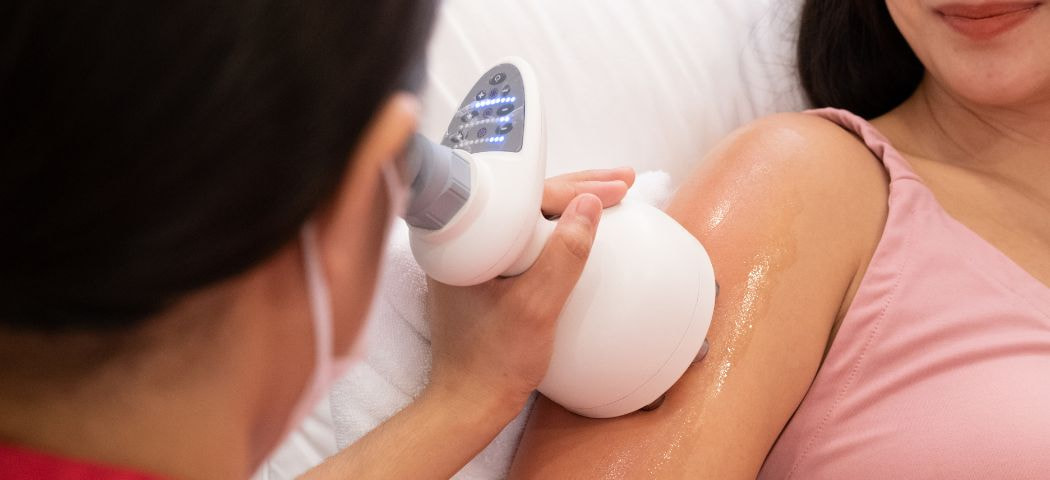
Endermologie+
A 3-in-1 body-shaping machine treatment that debulks fat, reduces cellulite and contours the body.
How it works: EndermologieÔÇÖs signature roller achieves tissular grabbing which helps target deep localized jiggly fat. One session takes only 40 minutes.
This treatment is ideal for people who:
Struggle with problem areas
Have stubborn cellulite
Want to reshape their postnatal body
Have loose skin
What to expect: Clients have likened this treatment to a detoxifying massage! You lose fat and cellulite as you relax while lying down.
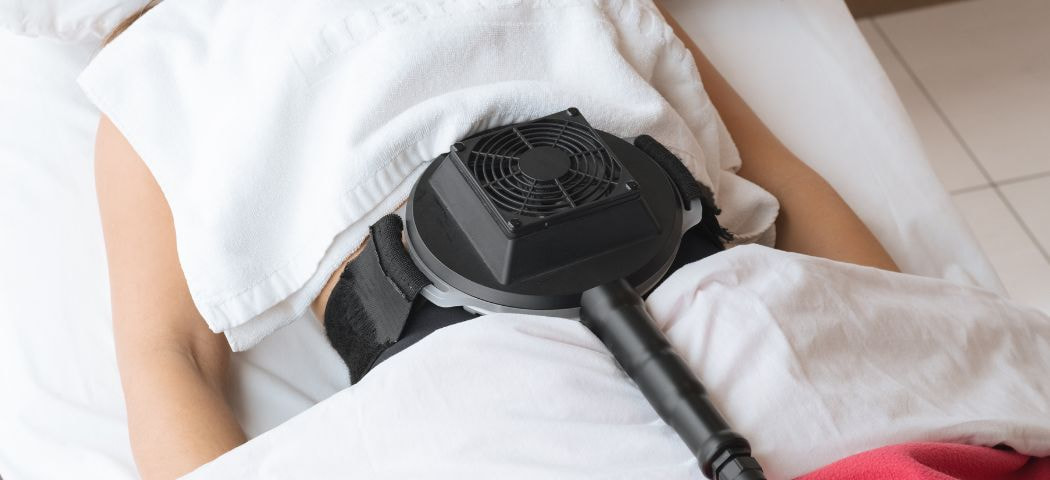
Thermo Magnetic Pulse
A 4-in-1 machine treatment that offers non-surgical fat reduction, body contouring, skin tightening, and cellulite smoothing. One session takes only 30 minutes.
How it works: The Thermo Magnetic Pulse treatment safely reaches the deep layers of the skin to target fat deposits while stimulating collagen production.
This treatment is ideal for people who:
Want to resculpt the body
Have stubborn fat in the arms, tummy, or thighs
Want to smoothen cellulite
What to expect: You may feel a mildly warm sensation. Clients have likened it to a warm massage! The treated areas may initially show slight redness, which typically diminishes within a few hours.
Interested in trying out these non-invasive fat removal treatments?
Non-surgical fat removal treatments offer effective solutions for reducing localized fat deposits and sculpting the body without the need for surgery.
Try these fat loss treatments at the nearest Marie France branch!
Before undergoing any treatment, a Slimming Consultant will be assigned to assess and consider your current lifestyle, diet, exercise regime, and health condition to see which treatment is best for you! Book your consultation today!
Menopause SOS: How to Spot and Manage Symptoms!
Menopause is one of the most significant transitions of a womanÔÇÖs life. From getting periods every month to completely stopping once you hit menopause, itÔÇÖs a change that either acts as a cause for celebration or source of frustration.
While itÔÇÖs only natural to experience this, a variety of physical and hormonal imbalance effects are set to impact oneÔÇÖs health and well-being. In this article, weÔÇÖll explore the common symptoms of menopause and how we can manage them.
Menopause 101: The Basics
So what exactly is menopause? Menopause typically occurs between the ages of 45 and 55ÔÇôbut can vary for some individuals. It’s like your bodyÔÇÖs way of hitting the pause button on your monthly cycle. Your period stops for 12 consecutive months which is a sign that a woman’s menstrual cycles and fertility ends. ItÔÇÖs part of the aging process, where changes in hormone levels happen, including a decline in estrogen and progesterone production.
Common Symptoms of Menopause
Hot Flashes
Affecting 75% of women, hot flashes are warm flushes that cause sweating and palpitations. ItÔÇÖs one of the most common symptoms and can be mild or severe and occurs multiple times throughout the day and night, disrupting sleep and daily activities.
Night Sweats
Episodes of night sweats occur during sleep, accompanied by feelings of heat and discomfort. Like hot flashes, night sweats can disrupt sleep patterns and beauty rest and often lead to fatigue and irritability.
Mood Swings
From tears to tantrums in a blink of an eye? Well, menopause leads you to mood swings and irritability which you have no control over! Many women experience heightened emotional sensitivity during this time, mixed with feelings of sadness, anxiety, or depression.
Weight Gain
Gaining weight with menopause is a common thing. Hormonal changes and a sluggish metabolism can make the scale creep upwards, especially around the midsection.
Insomnia
Hard time falling or staying asleep? Waking up too early? These are just some common sleep disturbances that menopause delivers as hormonal changes disrupt sleeping patterns which contribute to insomnia during menopause.
Managing Symptoms of Menopause
Hormone Replacement Therapy (HRT)
These are medications that contain estrogen and sometimes progesterone to replace hormones that are declining during menopause. It helps alleviate symptoms such as hot flashes, night sweats, and vaginal dryness, but it may not be suitable for everyone and should be used under the guidance of a healthcare provider.
Change your Lifestyle
Help relieve some symptoms by having a balanced diet, staying active, managing stress and avoiding smoking and excessive alcohol consumption.
Dietary Supplements
Some women find relief from menopause symptoms by taking dietary supplements such as black cohosh, soy isoflavones, or vitamin E. However, it’s essential to talk to a healthcare provider before starting any new supplement regimen to ensure safety and effectiveness.
Seeking Support
Talk to friends, family members, or a support group that can provide emotional support and validation during this transitional period. Sharing experiences and coping strategies with others going through menopause can be empowering and reassuring.
Every woman’s experience of menopause is unique, and it’s important to work closely with a healthcare expert to develop a personalized treatment plan that meets your individual needs and preferences alongside the support of your loved ones.
Interested how Marie France can help you on your body journey? Message us for a consultation today!
6 Self-Care Strategies To Prioritize on Your Weight Loss Journey
If youÔÇÖre someone who does the daily grind of 9-5 five days a week, or probably even more, prioritizing a healthy lifestyle and weight management should also be in your schedule!
In this article, weÔÇÖll explore different self-care tips you can incorporate in your journey towards a healthier you!
Understanding Self-Care in Weight Loss
More than just pampering yourself with face masks or the occasional ÔÇÿtreat yourselfÔÇÖ shopping day, self-care is also about nurturing your physical, mental, and emotional well-beingÔÇôwhich are all important factors for achieving and maintaining your healthy weight loss goals!
When you prioritize self-care, you also foster healthy habits, reduce stress, and promote overall wellness.
Exercise as Self-Care
Having regular physical activity is important for oneÔÇÖs self-care and weight management. Wonder why? Aside from the common knowledge that exercising burns calories and fat, and promotes weight loss, it also helps in releasing endorphins that boost our mood and reduce our stress levels. Also, who says exercising is all about lifting weights and going to the gym? Make it easier to stick to your routine by choosing an activity that fits your interests and personality!
You can enjoy exercising in the form of:
Yoga
Dancing
Hiking
Swimming
Long Walks
Jogging
Stress Management Techniques
Stress comes and goes and often messes up a perfectly laid out weight loss plan, leading to emotional eating, cravings for unhealthy food, and decreased motivation to exercise.
Help yourself to manage your stress with practices such as:
Mindfulness
Deep breathing exercises
Spending more time with nature
Healthy Sleep Habits
WeÔÇÖre always reminded to sleep early or at least get 8 hours of sleep because having a good nightÔÇÖs rest plays a role in one’s weight management and overall health! Not getting enough sleep has been linked to weight gain, increased appetite, and a lack of motivation to do any physical activity.
Time to get better sleep by having a:
Consistent sleeping schedule
Relaxing bedtime routine
Comfortable sleeping environment
Screen break 30 mins – 1 hr before bedtime
Nourishing Nutrition
Keep your body healthy by fueling them up with nutritious food! Focus on consuming a balanced diet rich in fruits, vegetables, whole grains, lean proteins, and healthy fats.
Have a positive relationship with food by:
Paying attention to your hunger and fullness cues
Practicing mindful eating to savor each bite
Not depriving yourself from your cravings. Portion control is key!
Hydration and Wellness
Stay hydrated is our motto, and we will never get tired of saying this because our bodies need the fluids to survive! Drinking the right amount of water throughout the day helps regulate appetite, boost metabolism, and support digestion.
Hydrate yourself by making it a habit to carry a reusable bottle and drink regularly or make a schedule to drink water in case your schedule gets busy!
Cultivating Emotional Well-Being
LetÔÇÖs be reminded that our emotional well-being is as important as the physical one. Take time to take care of your emotional health by:
Practicing self-compassion
Setting realistic goals
Seeking support from friends, family, or a professional if needed
Remember that progress, not perfection, is key. So always be gentle with yourself as you navigate the ups and downs of your weight loss journey.
DonÔÇÖt forget to listen to your body, be kind to yourself, and celebrate every milestone for a healthier version of yourself!
The Gut-Brain Connection: How Gut Health Impacts Weight Management
Have you ever heard of the gut-brain connection? ItÔÇÖs this complex relationship between the digestive system and our brain that plays a significant role in weight management and overall well-being.
When we focus solely on diet and exercise in weight management, we overlook an important aspect of our health and wellnessÔÇôour gut health.
HereÔÇÖs why gut health is important for weight management and how we can take better care of our guts for a healthier body and mind.
Understanding the Gut-Brain Connection
Gut-brain connection refers to the two-way communication between the gastrointestinal tract and the central nervous system. Communication occurs through a network of nerves, hormones, and neurotransmitters, allowing the gut and brain to influence each other’s function and activity.
Gut Health and Weight Management
Maintaining a healthy gut is essential for optimal weight management. The gut microbiota, a diverse community of bacteria, fungi, and other microorganisms inhabiting the gastrointestinal tract, play a crucial role in regulating metabolism, appetite, and energy balance.
Research shows that imbalances in gut microbiota composition, known as dysbiosis, may contribute to weight gain and obesity.
Dysbiosis can also lead to:
Inflammation
Insulin resistance
Altered hormone signaling
The Role of Diet
Diet plays a significant role in shaping our gut microbiota composition.
Consuming a diet rich in:
Fiber
Fruits
Vegetables
Fermented food
promotes the growth of beneficial bacteria in the gut, known as probiotics. These probiotics help maintain a healthy gut environment, support digestion, and enhance nutrient absorption.
On the other hand, a diet high in processed foods, sugar, and unhealthy fats can disrupt gut microbiota balance, leading to dysbiosis and increased risk of weight gain. Incorporating whole, nutrient-dense foods into your diet is one way of promoting gut health and supporting weight management efforts.
Gut Health and Mental Well-Being
In addition to its impact on weight management, gut health also plays a crucial role in mental well-being. The gut-brain axis allows for communication between the gut and the brain, influencing mood, emotions, and cognitive function.
Research has shown that imbalances in gut microbiota composition may contribute to mental health disorders such as depression, anxiety, and stress.
Individuals can improve mental well-being and enhance overall quality of life by supporting their gut health through:
Diet
Lifestyle changes
Stress management techniques
Lifestyle Factors
Incorporating lifestyle changes such as regular exercise, stress reduction, and adequate sleep is essential for promoting gut health and supporting weight management efforts.
Exercise has been shown to:
Modulate gut microbiota composition
Reduce inflammation
Improve metabolic health
Stress reduction techniques such as mindfulness meditation, deep breathing exercises, and spending time in nature can also help lower stress levels and support gut health.
Furthermore, prioritizing sleep is crucial for gut health and weight management. Poor sleep quality and inadequate sleep duration have been linked to disruptions in gut microbiota composition, increased appetite, and weight gain.
Always aim for 7-9 hours of quality sleep each night to support optimal gut health and overall well-being.
What have we learned so far?
The gut-brain connection is important in weight management and overall health.
Nurture your gut through:
Balanced diet
Regular exercise
Stress management
Adequate sleep
By prioritizing gut health, you can take proactive steps towards achieving your weight management goals and cultivating a healthier, happier life.
Get to Know the Lifestyle Changes You Need for Sustainable Weight Loss
ICYMI: Weight loss results from quick-fix diets and intense workout regimens donÔÇÖt last you very long! For sustainable weight loss, you need exercise, a balanced diet, proper stress management, and a supportive environment!
Sustainable weight loss requires more than just temporary changes; it requires a shift in lifestyle habits that promote overall health and wellness.
So what do you need to do to lose weight sustainably? LetÔÇÖs get right into it!
1. Find a workout you can do long-term
ItÔÇÖs the consistency that matters!
Exercise is a crucial aspect of any weight loss journey, but it’s about more than just burning calories.
Incorporating exercise into your daily routine not only supports weight loss but also:
enhances your mood
reduces stress levels
promotes overall health and wellness
Whether it’s going for a brisk walk, hitting the gym, or practicing yoga, find physical activities that you enjoy and can sustain over time.
HereÔÇÖs a list of exercises for people who donÔÇÖt like working out:
Brisk Walking
Hiking
Cycling
Swimming
Dancing
Yoga
Pilates
Rowing
Bodyweight Exercises
Jump Rope
Kickboxing
Interval Training
How long do you need to exercise, you ask? Aim for at least 30 minutes of moderate-intensity activity most days of the week.
2. Practice a healthier and more mindful lifestyle
On top of exercise, prioritizing health and wellness in all areas of your life is just as essential.
Studies have shown that inadequate sleep can disrupt hormones that regulate appetite, leading to increased hunger and cravings for unhealthy foods like junk food, fast food, and other heavily processed food.
By prioritizing sleep and aiming for 7-9 hours of quality rest each night, you can support your weight loss efforts and improve overall health.
Aside from good sleep hygiene, practice eating a balanced diet rich in fruits, vegetables, whole grains, and lean proteins and staying hydrated by drinking plenty of water throughout the day.
Here are simple ways to trick your brain into drinking more water and eating healthier food throughout the day:
Infused Water: Enhance the taste of hydration by creating flavored water infused with fruits, herbs, and vegetables.
Healthy Food Within Reach: Keep healthy foods within sight and easy reach. Likewise, hide your junk food!
Meal Prep: Plan and prepare meals in advance to make eating healthier and more convenient.
3. Manage your stress levels
Stress can be a significant barrier to weight loss, as it can lead to:
emotional eating
cravings for high-calorie foods
decreased motivation to exercise
Finding daily stress-reduction techniques such as mindfulness meditation, deep breathing exercises, or spending time in nature can help lower stress levels and support your weight loss goals.
4. Surround yourself with a supportive environment
ItÔÇÖs true that having a strong support system can make a world of difference on your weight loss journey.
Find accountability, motivation, and encouragement in:
Weight loss support groups
Friends and family
A healthcare professional
A personal coach
Marie France
5. Meet the marie france team
If you need a supportive partner to help you achieve sustainable weight loss, Marie France can offer just that!
We understand that achieving sustainable weight loss isnÔÇÖt just about shedding pounds, but about transforming your habits and mindset.
Why Marie France is Your Best Partner for Sustainable Weight Loss:
Personalized guidance from experienced specialists
Tailored solutions for sustainable results
A holistic approach to address your current lifestyle, health condition, and diet
Sustainable weight loss goes beyond fad diets and quick fixes, thatÔÇÖs why our comprehensive programs focus on long-term lifestyle adjustments.
Book a consultationtoday for a sustainable weight loss plan personalized just for you!
The Science of Fat Melting Treatments: How Non-Surgical Methods Work
Finding out the secret to a slimmer physique minus the pain, many of us seek non-invasive fat removal versus the traditional weight loss methods.
These treatments promise to target stubborn fat deposits without the need for invasive surgery or lengthy recovery times. But how exactly do these non-surgical methods work, and what is the science behind them?
In this article, we’ll dissect how non-invasive fat removal treatments are effective, and what are their potential benefits for body fat reduction and achieving weight loss goals.
What is Non-Surgical Fat Removal
Known as non-invasive fat reduction, non-surgical fat removal treatments utilize various technologies to target and eliminate fat cells beneath the skin’s surface. Unlike surgical procedures such as liposuction, which involves the surgical removal of fat cells, non-surgical treatments offer a less invasive alternative with minimal downtime and reduced risk of complications.
Mechanisms of Action
Radio frequency (RF) Therapy
Radio frequency (RF) therapy utilizes radiofrequency energy to heat and destroy fat cells beneath the skin’s surface. The heat generated by the RF energy causes fat cells to break down, leading to cell death and subsequent elimination from the body. In addition to reducing fat volume, RF therapy also stimulates collagen production, resulting in tighter, firmer skin in the target areas.
Recommended Marie France RF treatments: TriPollar, Thermo Magnetic Pulse, EvolveX
Benefits of Non-Surgical Fat Melting Treatments
Non-Invasive: Non-surgical fat removal treatments offer a non-invasive alternative to traditional surgical procedures, reducing the risk of complications and minimizing downtime for patients.
Targeted Fat Reduction: Non-surgical treatments allow for targeted fat reduction in specific areas of the body.
Minimal Downtime: Non-surgical fat removal procedures typically require zero to minimal downtime, allowing patients to go back to their normal activities immediately after treatment.
Realistic Results: Non-surgical treatments offer natural-looking results with gradual fat reduction over time, avoiding the sudden changes in body contour often associated with surgical procedures.
Considerations
While non-surgical fat-melting treatments offer several benefits, letÔÇÖs also consider the realities of these treatments:
Multiple Sessions: Most non-surgical fat removal treatments require multiple sessions to achieve optimal results, and individual responses to treatment may vary.
Gradual Results: Patients may experience gradual fat reduction over several weeks to months following treatment, and multiple sessions may be necessary to achieve the desired outcome.
Maintenance: While non-surgical treatments can reduce fat volume in targeted areas, maintaining a healthy lifestyle with proper diet and exercise is essential for preventing fat re-accumulation in treated areas.
ÔÇÄ ÔÇÄ ÔÇÄ ÔÇÄ ÔÇÄ ÔÇÄ
With technological advancements, non-invasive treatments are able to reduce and eliminate fat cells, leading to gradual fat reduction and improved body shape. But, itÔÇÖs also best to consult with healthcare experts to determine the suitable treatment option based on individual goals and expectations.
Thinking of starting your health journey with the help of non-invasive treatments? Book a consultation with us to learn more!
Achieving Weight Loss Without Exercise: Exploring Non-Invasive Options in the Philippines
HereÔÇÖs how to remove fats in the body without exercise: try non-invasive fat loss treatments in the Philippines like the Tesla Body Former, Physique Inch Loss, and FMS Elite.
Although exercise is always encouraged, if itÔÇÖs not feasible for you, what are your other effective weight loss alternatives?
There are non-invasive options available in the Philippines that can help you achieve your weight loss goals without the need for strenuous physical activity.
What is Non-Invasive Fat Removal?
Non-invasive fat removal techniques offer a safe and effective way to target stubborn fat deposits without the need for surgery or downtime.
These treatments utilize advanced technology to destroy fat cells and contour the body.
Unlike traditional surgical procedures such as liposuction, non-invasive fat removal treatments are generally painless and require minimal recovery time, making them suitable for individuals with busy lifestyles or those looking for less invasive alternatives.
Non-Surgical Fat Removal Options
Tesla Body Former Not only do you burn fat during this treatment, but you also gain muscle density, volume, and strength.┬áIt uses Functional Magnetic Stimulation technology to simulate50,000 crunches in your inner core.┬áIs the treatment painful? No. One session of this may feel like a localized workout. YouÔÇÖll feel like your muscles contract and release at different intervals.Each session per targeted area takes 30 minutes only!
Physique Inch Loss Like the Tesla Body Former treatment, Physique Inch Loss stimulates muscles in the abdomen, flanks, and back.This treatment also firms up sagging areas and tones muscles.Using the Trans Epidermal Nerve Stimulation technology, one session equates to the effect of 255 sit-ups!Is the treatment painful? Not at all. You can get the results of 225 sit-ups while lying down comfortably. A single session takes 15 minutes only!
FMS Elite The Fat Mobilization System Elite accelerates your bodyÔÇÖs natural biochemical processes that help you burn fat.┬áIt facilitates your bodyÔÇÖs production of certain enzymes that allow you to burn as much as 1,000 calories in one session.Is the treatment painful? No. This treatment uses cooled pads and lowers your body temperature so you may feel cold but only for a short amount of time.One session takes 30 minutes only. Fat loss can last 24-48 hours post-session!
Weight Loss Without Exercise: Other Tips and Strategies
With or without exercise, letÔÇÖs try to adopt other healthy lifestyle habits to support long-term weight loss and maintenance.┬á
Here are some tips and strategies for achieving weight loss without exercise:
Follow a Balanced Diet: Focus on consuming a balanced diet rich in fruits, vegetables, lean proteins, and whole grains. Limit your intake of:
processed foods
sugary snacks
high-fat foods
Stay Hydrated: Drink plenty of water throughout the day to stay hydrated and support proper digestion and metabolism. Opt for water instead of sugary beverages or alcohol to reduce calorie intake.
Practice Portion Control: Pay attention to portion sizes and avoid overeating. Use smaller plates and bowls to help control portion sizes and prevent overindulgence.
You can also try to pre-portion your meals by practicing meal prepping!
If you want to target specific areas of your body, feel free to let us know! Our Slimming Consultants will create your personalized weight loss program based on your goals, lifestyle, and diet. Book a consultation now!
Hormonal Harmony: Balancing Hormones for Weight Loss Success
Achieving weight loss success goes beyond simply counting calories and hitting the gym!
For some, hormonal imbalances can play a significant role in hormonal weight gain and difficulty shedding excess pounds.
Hormones act as messengers in the body, regulating various processes, including metabolism, appetite, and fat storage. When thereÔÇÖs hormonal imbalance, it can lead to weight gainÔÇôparticularly around the abdomen making it challenging to lose weight.
In this article, weÔÇÖll learn more about hormones and how to balance them naturally!
Understanding Hormonal Imbalance and Weight Gain
Hormonal imbalance occurs when there is an excess or deficiency of certain hormones in the body, disrupting the delicate balance necessary for optimal health.
These are some of the hormones that play a key role in weight regulation:
Insulin: Produced by the pancreas, insulin regulates blood sugar levels. Insulin resistance, a condition in which the body’s cells become resistant to the effects of insulin, can lead to elevated blood sugar levels and increased fat storage, particularly around the abdomen.
Cortisol: Cortisol is often referred to as the “stress hormone” which is released in response to stress. Chronic stress can lead to elevated cortisol levels, which can increase appetite, promote fat storage, and lead to weight gain, particularly around the midsection.
Thyroid Hormones: Thyroid hormones play a crucial role in regulating metabolism, energy production, and body weight. Imbalances in thyroid hormone levels, such as hypothyroidism (underactive thyroid) or hyperthyroidism (overactive thyroid), can lead to changes in appetite, metabolism, and weight.
Sex Hormones: Estrogen and testosterone play important roles in regulating metabolism, fat distribution, and muscle mass. Imbalances in these hormones, such as those seen in conditions like polycystic ovary syndrome (PCOS) or menopause, can lead to weight gain, particularly, again, around the abdomen.
The Impact of Hormonal Imbalance on Weight Loss Efforts
When hormones are out of balance, it can sabotage weight loss efforts. Hormonal imbalances can lead to increased appetite, cravings for high-calorie foods, decreased metabolism, and changes in fat distribution, all of which can contribute to weight gain and difficulty losing weight.
Balance Hormones Naturally Through:
Balanced Diet
Eating a balanced diet rich in whole, nutrient-dense foods can help regulate blood sugar levels, reduce inflammation, and support hormone balance.
Focus on adding plenty of:
Fruits
Vegetables
Lean proteins
Healthy fats
Whole grains into your meals.
Regular Exercise
Regular physical activity can help reduce stress levels, regulate hormone production, and support weight loss efforts. 
To promote overall health and well-being, aim for a combination of: 
Cardiovascular exercise 
Strength training 
Flexibility exercises
Stress Management
Chronic stress can disrupt hormone balance and lead to weight gain. 
Lower stress levels by practicing stress-reduction techniques such as: 
Mindfulness meditation
Deep breathing exercises 
Yoga 
Spending time in nature 
Adequate Sleep
Prioritize getting enough sleep each night, as inadequate sleep can disrupt hormone production and metabolism. A good 7-9 hours of quality sleep per night can support hormone balance and overall health.
Healthy Lifestyle Habits
Avoid smoking, excessive alcohol consumption, and other unhealthy lifestyle habits, as they can disrupt hormone balance and negatively impact weight loss efforts.
Seek Professional Support
If you suspect that hormonal imbalances may be affecting your weight loss efforts, consider seeking professional support from a healthcare provider or weight loss specialist. They can perform hormone testing, evaluate your symptoms, and develop a personalized treatment plan to address any underlying imbalances and support your weight loss goals.
Achieving hormonal balance takes time and patience, but with dedication and consistency, you can overcome hormonal obstacles and achieve your weight loss goals.