From Loss to Maintenance: How FMS Elite Keeps Weight Off

Achieving weight loss is a significant milestone, but maintaining those results can often be challenging. Our FMS Elite offers a comprehensive solution not just for weight loss, but also for sustaining and enhancing the results youÔÇÖve worked hard to achieve.┬á
Check out how FMS Elite helps you maintain your weight loss results effectively! 
What is FMS Elite?
FMS Elite is an advanced weight management treatment designed to assist with fat reduction and body contouring. It integrates cutting-edge technologies to target stubborn fat deposits, and enhance overall body shape. Beyond just initial weight loss, FMS Elite is also focused on helping clients maintain their results over time.
How FMS Elite Supports Weight Loss Maintenance
- Thermogenesis: Thermogenesis stimulates the body to produce heat energy compensating for its lowered temperature. This process naturally leads to burning of calories, resulting in faster metabolism and weight loss even while resting. This technology not only helps with initial fat reduction but also supports long-term maintenance by reducing the number of fat cells in targeted areas, making it less likely for fat to reaccumulate.
- Holistic Approach: FMS Elite takes a holistic approach to weight management, focusing not just on fat reduction but also on overall wellness. The program integrates lifestyle and dietary recommendations alongside its technological treatments. This holistic approach ensures that clients adopt healthy habits that support long-term weight management and prevent weight regain.
- Ongoing Support and Monitoring: FMS Elite offers ongoing support and monitoring to help clients maintain their weight loss results. Regular follow-ups and consultations ensure that clients are on track and provide opportunities to adjust the program as needed. This continuous support helps address any issues or challenges that may arise, promoting sustained success.
Why Choose FMS Elite?
FMS Elite offers a comprehensive and effective solution for maintaining weight loss results. By combining advanced technologies with healthy lifestyle changes, it addresses both the physical and lifestyle aspects of weight management. This integrated approach helps clients not only achieve their weight loss goals but also sustain those results over the long term.
If youÔÇÖre looking to maintain your weight loss and ensure lasting success, FMS Elite provides the tools and support you need. Consult with a Marie France specialist to learn more about how FMS Elite can help you keep your weight loss results and enhance your overall wellness!
Diet No-Nos for Chronic Fatigue Weight Loss

Dealing with Chronic Fatigue Syndrome (CFS) and managing weight loss can be quite a challenge. CFS is a condition where persistent fatigue is not relieved by restÔÇôoften requiring careful dietary management to maintain energy levels and overall health. Certain food can heighten symptoms or hinder weight loss efforts, making it important to choose smart dietary choices.┬á
LetÔÇÖs find out these dietary choices you can avoid or as much as possible reduce.┬á
1. Refined Sugars and Simple Carbohydrates
Food high in refined sugars and simple carbohydrates can cause rapid spikes in blood sugar levels followed by sharp drops, leading to increased fatigue and cravings. These fluctuations can be especially problematic for those with CFS, who need to maintain stable energy levels. It’s best to avoid or lessen sweets, pastries, white bread, and sugary drinks, opting instead for carbohydrates like whole grains, which provide sustained energy.┬á
2. Caffeine
While caffeine may offer a temporary boost in energy, it can also lead to energy crashes, disrupt sleep, and increase anxiety, all of which can worsen CFS symptoms. Moreover, reliance on caffeine can mask the bodyÔÇÖs natural signals of fatigue, potentially leading to overexertion. Limiting or avoiding caffeinated beverages such as coffee, tea, and energy drinks is advisable for better management of the condition.
3. Processed Foods
Processed food are often high in unhealthy fats, sugars, and additives, which can contribute to inflammation and heighten CFS symptoms. These food also tend to be low in essential nutrients, providing little benefit while adding unnecessary calories that can hinder weight loss efforts. Choosing whole, unprocessed foods like fresh vegetables, fruits, and lean proteins is a healthier option. 
4. Alcohol
Alcohol can interfere with sleep quality, which is crucial for those managing CFS. It also has a depressant effect on the central nervous system, which can increase fatigue and other symptoms associated with CFS. Additionally, alcohol contains empty calories that can contribute to weight gain. Reducing or eliminating alcohol intake can help improve overall health and support weight loss.
5. Gluten and Dairy (for sensitive individuals)
Some individuals with CFS may experience sensitivities to gluten or dairy, which can lead to digestive discomfort, increased inflammation, and exacerbation of CFS symptoms. While not everyone with CFS is sensitive to these food, it’s worth noting any adverse reactions and considering an elimination diet to identify potential triggers.
6. Artificial Sweeteners and Additives
Artificial sweeteners and additives found in many diet foods and beverages can cause digestive issues and may also impact energy levels and mood. These substances can trigger inflammatory responses in some people, potentially worsening CFS symptoms. Natural sweeteners like honey or maple syrup, in moderation, are better alternatives.
7. High-Sodium Food
High sodium intake can lead to water retention and increased blood pressure, which can exacerbate symptoms of CFS, including dizziness and fatigue. Processed meats, canned soups, and fast food are often high in sodium. Opt for fresh, minimally processed food and use herbs and spices for flavoring to keep sodium intake in check. 
8. High-Fat Food
While healthy fats are essential for overall health, excessive consumption of unhealthy fats found in fried foods, processed snacks, and fast food can lead to weight gain and sluggishness. These food are often calorie-dense and has less nutrients. 
Managing Chronic Fatigue Syndrome requires careful attention to diet, as certain food can significantly impact symptoms and overall well-being. Avoiding food high in refined sugars, caffeine, processed ingredients, and unhealthy fats can help manage CFS symptoms and support weight loss efforts. 
Once you know which food to avoid or lessen, focus on a balanced diet rich in whole foods, lean proteins, and healthy fats. As always, consulting with a healthcare professional or nutritionists can provide personalized dietary guidance tailored to your specific needs and health conditions. 
Let Marie France help you start on your weight loss journey! Book a consultation!
Avoid These Mistakes When Managing Weight with Hypothyroidism

Hypothyroidism is a condition where the thyroid gland is underactive which can affect weight management efforts. It is important to understand hypothyroidism’s unique challenges and how to navigate one of the medical conditions that make it hard to lose weight effectively. In this article, we explore common mistakes in managing weight with hypothyroidism and offer practical tips to help you avoid them.
1. Ignoring the Role of Thyroid Hormone Levels
People often make the mistake of not regularly monitoring their thyroid hormone levels. These levels directly affect metabolism which also affects weight management. Regular check-ups with your healthcare provider are a must to help ensure that your medication is correctly adjusted for your body’s metabolic function.
2. Misunderstanding Diet Needs
Having a balanced diet is essential for everyone, but it becomes even more important for those with hypothyroidism. Many people mistakenly follow fad diets that might not be suitable for their health condition. A thyroid-friendly diet includes sufficient protein intake, as it helps maintain muscle mass and supports metabolism. It is also important that you ensure you’re getting enough iodine, selenium, and zinc, which are vital for thyroid function, and avoid foods that can interfere with thyroid function, such as those high in goitrogens (e.g., soy products, cruciferous vegetables) unless cooked.
3. Overlooking Hidden Ingredients in Foods
Processed foods often contain hidden ingredients that can affect thyroid function such as soy and gluten are commonly found in many processed foods and can interfere with thyroid hormone absorption. Reading labels and opting for whole, unprocessed foods can help avoid these!
4. Skipping Meals
Skipping meals in an attempt to reduce calorie intake can negatively affect your health, especially if you have hypothyroidism. It can slow down your metabolism and also trigger overeating. Instead, focus on eating small, balanced meals throughout the day to keep your metabolism stable and provide consistent energy levels.
5. Not Adjusting Exercise Routines
Exercise is important especially if you are on your weight loss journey, but people with hypothyroidism need to adjust their routines to their energy levels and physical capabilities. High-intensity workouts can be exhausting and may not be sustainable, instead, it is recommended to incorporate moderate activities like walking, swimming, or yoga, which are easier on the joints and help maintain muscle mass without excessive strain.
6. Underestimating the Impact of Stress and Sleep
Stress and lack of sleep can worsen symptoms of hypothyroidism and hinder your weight loss efforts. Stress can elevate cortisol levels, which may increase appetite and promote fat storage. On the other hand, insufficient sleep disrupts your metabolism which can also affect weight gain. Incorporate stress management techniques in your daily routine such as mindfulness, and meditation, and get enough, quality sleep.
7. Neglecting Professional Guidance
While dietary and exercise advice is helpful, hypothyroidism requires a personalized and holistic approach. Working with healthcare experts, such as dietitians or nutritionists can provide personalized plans that address your specific needs. They can help you navigate the complexities of the condition and offer practical solutions for managing weight effectively.
Managing weight with hypothyroidism requires a thoughtful balance of diet, exercise, and lifestyle. Avoid common mistakes by consulting experts who can guide you every step of the way. Consistency and a proactive, holistic approach are essential in overcoming the challenges of hypothyroidism. Book a consultation with Marie France today to get a personalized, holistic weight management plan For Every Body!
The Fitness Fallacy: Longer Workouts ArenÔÇÖt the Answer

One weight loss belief that we commonly hear is that the longer you workout, the better the results! Yet, the relationship between workout duration and weight loss is quite complicated. Other elements, such as exercise intensity, consistency, and recovery, play crucial roles in achieving optimal resultsÔÇôand sometimes we donÔÇÖt get the desired results easily.┬á
Check out why this is a weight loss myth and how to make healthy weight loss management easier! 
Workout Duration vs. Exercise Intensity
One key factor to consider is the intensity of your workout. High-intensity workouts can often be more effective for weight loss than longer, lower-intensity sessions. High-Intensity Interval Training (HIIT), for instance, involves short bursts of intense activity followed by brief rest periods. This approach has been shown to increase calorie burn, boost metabolism, and promote fat loss, all in a shorter time frame compared to traditional endurance exercises.
Best Workout Length for Weight Loss
There is no one-size-fits-all answer to the ideal workout length for weight loss, as it depends on individual fitness levels, goals, and preferences. However, research suggests that shorter, more intense workouts can be as effective, if not more so, than longer sessions. A 20-30 minute HIIT workout can provide significant benefits, particularly when it comes to burning fat and improving cardiovascular health.
Maximizing Weight Loss with Shorter Workouts
Shorter workouts can be highly efficient, especially for those with busy schedules. The key is to focus on the quality of the workout rather than the quantity. Incorporating exercises that engage multiple muscle groups, maintaining a high level of intensity, and minimizing rest times can enhance the effectiveness of shorter sessions. Additionally, combining cardio with strength training can help build muscle, which increases overall calorie burn even at rest. 
Efficiency in Workout Routines
Efficiency in workout routines means getting the most out of the time you invest. This includes choosing exercises that provide the greatest benefits in the shortest amount of time. For example, compound movements like squats, deadlifts, and push-ups work for several muscle groups simultaneously, leading to a higher calorie burn. Interval training and circuit training are also excellent ways to maximize efficiency and effectiveness.
Quality Over Quantity in Workouts
The adage “quality over quantity” applies well to exercise. The effectiveness of a workout is not measured by its duration but by how well it aligns with your fitness goals and how effectively it challenges your body. Ensuring proper form, focusing on breath control, and gradually increasing intensity are crucial elements that can enhance the quality of your workouts.
A balanced approach when working out is necessary as you can try various exercises thatÔÇÖs tailored to your body goals and needs, schedules, and is more sustainable and effective in the long run. DonÔÇÖt forget to also focus on the intensity, consistency, and allot proper recovery time so that your healthy weight loss goals are met and wonÔÇÖt cause burnout.
Spice Up Your Diet: Boost Metabolism with These Weight Loss Spices
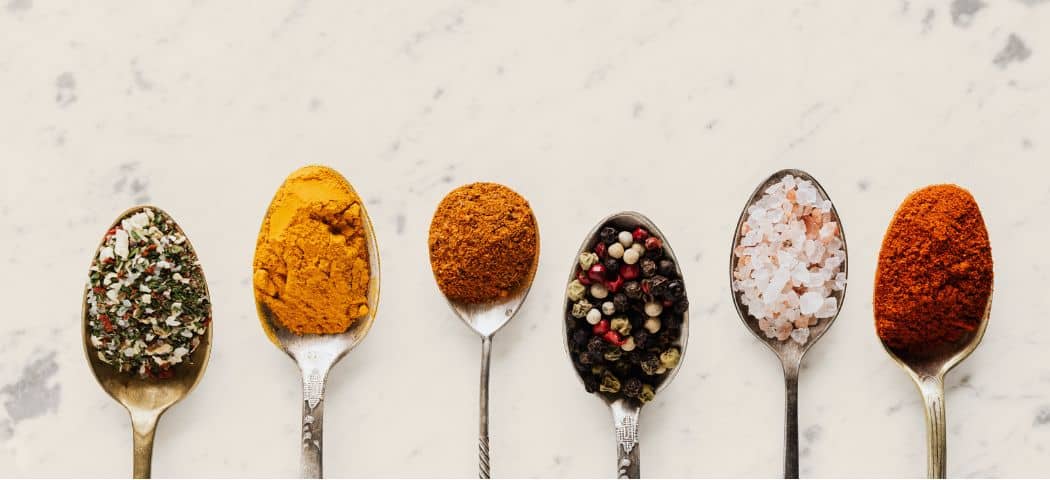
Adding certain spices to your diet can do more than enhance flavorÔÇöthey can also help boost metabolism to lose weight! Here are some spices you can add to boost your metabolism and promote healthy eating habits.
- Cayenne Pepper
Cayenne pepper contains capsaicin, a compound that increases the heat your body produces which can help you burn more calories.
Meal Suggestion: Spicy Grilled Chicken Salad
Ingredients: Grilled chicken breast, mixed greens, cherry tomatoes, cucumber, and a sprinkle of cayenne pepper.
Preparation: Grill the chicken breast with a light sprinkle of cayenne pepper. Toss the mixed greens, cherry tomatoes, and cucumber together. Slice the grilled chicken and add it to the salad and top with a low-calorie vinaigrette.
- Ginger
Ginger has thermogenic properties that can increase body temperature and boost metabolism. Ginger is also great for digestion!
Meal Suggestion: Ginger Stir-Fry Vegetables
Ingredients: Broccoli, bell peppers, snap peas, carrots, and fresh ginger.
Preparation:┬á Saut├® the vegetables in a small amount of olive oil, then add grated fresh ginger and stir until the vegetables are tender. Serve as a side dish or over a small portion of brown rice!
- Cinnamon
Cinnamon helps regulate blood sugar levels and also enhances metabolism.
Meal Suggestion: Cinnamon Oatmeal
Ingredients: Rolled oats, almond milk, a dash of cinnamon, and a handful of fresh berries.
Preparation: Cook the rolled oats in almond milk. Once done, stir in a dash of cinnamon and top it with fresh berries!
- Turmeric
Turmeric contains curcumin, which has anti-inflammatory properties and can help increase metabolic rate.
Meal Suggestion: Turmeric Quinoa
Ingredients: Quinoa, vegetable broth, turmeric, and chopped vegetables (like bell peppers and zucchini).
Preparation: Cook the quinoa in vegetable broth with a teaspoon of turmeric. Once cooked, stir in the chopped vegetables and serve warm.
- Black Pepper
Black pepper contains piperine, which can also enhance metabolism and absorption of nutrients.
Meal Suggestion: Black Pepper Shrimp
Ingredients: Shrimp, black pepper, lemon juice, and a mix of steamed vegetables.
Preparation: Marinate the shrimp in lemon juice and a generous amount of black pepper. Grill or saut├® the shrimp until cooked and serve with steamed vegetables!
- Garlic
Garlic can also  boost metabolism by stimulating the nervous system to release adrenaline, which increases calorie burning.
Meal Suggestion: Garlic and Lemon Roasted Brussels Sprouts
Ingredients: Brussels sprouts, garlic cloves, olive oil, and lemon juice.
Preparation: Toss the Brussels sprouts with minced garlic, a little olive oil, and a squeeze of lemon juice. Roast in the oven until crispy and golden brown.
- Cumin
Cumin can boost metabolism and also improve digestion which can help you burn more calories!
Meal Suggestion: Cumin-Spiced Lentil Soup
Ingredients: Red lentils, vegetable broth, diced tomatoes, onion, and ground cumin.
Preparation: Saut├® the onion in a pot, then add lentils, diced tomatoes, vegetable broth. Add a teaspoon of ground cumin and let it simmer until the lentils are tender.
- Cardamom
Cardamom is also one of the spices that can help increase body temperature and boost metabolism.
Meal Suggestion: Cardamom-Spiced Smoothie
Ingredients: Almond milk, banana, spinach, a pinch of cardamom, and a handful of ice cubes.
Preparation: Blend all ingredients until smooth. Enjoy this refreshing smoothie as a healthy pre-workout or post-workout snack!
Spice up your weight loss journey by adding these flavorful and effective spices to your diet! Incorporate these meal suggestions for healthy, delicious dishes that support your holistic weight management.
For more personalized tips on nutrition and holistic wellness For Every Body, consult with our Marie France experts. Book a consultation today!
Inch by Inch: Toning Your Physique with Physique Inch Loss

Have you ever envisioned yourself with a sculpted physique? Or looking for effective yet safe methods to target those stubborn areas? If you answer yes to both of these questions then youÔÇÖre in the right article!┬á
Here at Marie France, we have Physique Inch Loss, a non surgical fat removal treatment that combines three key benefits: fat reduction, muscle toning, and skin tighteningÔÇômaking it ideal for those who aim to enhance their physique in a healthy way.┬á
How Does Physique Inch Loss Work? 
Physique Inch Loss utilizes Transcutaneous Electrical Nerve Stimulation (TENS) technology, which is renowned for its ability to stimulate muscle contractions through electrical impulses. This method mimics the effects of physical exercise, promoting muscle toning and strengthening in targeted areas. ItÔÇÖs so versatile that it caters to various body parts such as the abdomen, arms, thighs, and back, where fat tends to be more resistant to traditional weight loss methods.
The 3-in-1 Approach
- Fat Reduction: The primary goal of Physique Inch Loss is to reduce fat deposits in specific areas, helping to contour the body. The TENS technology stimulates fat cells, encouraging them to break down and be naturally eliminated by the body. This process, known as lipolysis, is particularly effective for reducing localized fat, which can be challenging to target through diet and exercise alone.
- Muscle Toning: Beyond fat reduction, Physique Inch Loss also focuses on enhancing muscle tone. The electrical impulses generated by the TENS device cause muscles to contract, similar to the effects of a workout. In fact, a 15-minute session can produce the equivalent of 225 sit-ups, providing an intensive workout without the physical strain. This aspect of the treatment helps in defining muscles and improving overall body shape.
- Skin Tightening: As fat is reduced and muscles are toned, skin tightening becomes a crucial component to ensure a smooth and firm appearance. The treatment helps stimulate collagen production, a key protein responsible for skin elasticity and firmness. This ensures that as fat cells diminish, the skin remains youthful.
Physique Inch Loss is a cutting-edge treatment that leverages on the power of TENS technology to give you a toned appearance and a stronger bodyÔÇôwith no risks involved!┬á
You can learn more about this treatment when you visit our Physique Inch Loss page on the Marie France website!
Slim Down Smart: The DONÔÇÖTs of Hypothyroid Diet

Dealing with hypothyroidism has its own share of challenges in weight management. Its impact on metabolism and energy levels causes changes physically and psychologically. And when it comes to adjusting to this condition, adapting a healthier lifestyle is one of the common changes done to sustain your progress. This is usually done by eating healthy and avoiding or limiting certain food that can hinder your progress! 
So you might be asking: ÔÇ£What are the food groups that I should avoid or limit if I want to sustain a healthier weight?ÔÇØ┬á
LetÔÇÖs find out!┬á┬á
1. Processed Food and Refined Sugars
Processed food, often high in refined sugars and unhealthy fats, can heighten weight gain and inflammation. These food provide little nutritional value and can lead to blood sugar spikes, followed by crashes, which can increase cravings and overeating. Opt for whole, nutrient-dense foods to support overall health and weight management.
2. Cruciferous Vegetables (in excess)
While vegetables like broccoli, cauliflower, and cabbage are generally healthy, consuming them in large amounts, especially raw, can interfere with thyroid hormone production. These vegetables contain goitrogens, substances that can inhibit the uptake of iodine, essential for thyroid function. Moderation is key, and cooking these vegetables can reduce their goitrogenic properties.
3. Soy Products
Soy contains compounds called isoflavones, which can interfere with thyroid function, particularly for those with iodine deficiency. Consuming large amounts of soy can disrupt the thyroid’s ability to produce hormones, which can be particularly problematic for individuals with hypothyroidism. It’s advisable to limit intake of soy-based foods like tofu, soy milk, and edamame.
4. Gluten
For some people with hypothyroidism, particularly those with Hashimoto’s thyroiditis (an autoimmune form of the disease), gluten can exacerbate symptoms. Gluten is a protein found in wheat, barley, and rye. It’s suggested that those with thyroid issues try a gluten-free diet to see if it alleviates symptoms, as gluten sensitivity can sometimes overlap with thyroid disorders.
5. Excessive Caffeine
Caffeine, found in coffee, tea, and certain sodas, can interfere with the absorption of thyroid medication. Additionally, excessive caffeine intake can lead to increased stress and disrupt sleep patterns, both of which can negatively impact weight management. If you consume caffeine, try to do so in moderation and not immediately before or after taking thyroid medication.
6. Fatty and Fried Food
Food high in unhealthy fats, such as fried food and those containing trans fats, can slow down the body’s metabolism and contribute to weight gain. These foods can also lead to increased inflammation, which may worsen hypothyroid symptoms. Choose healthier fat sources like avocados, nuts, and olive oil insteadÔÇôbut in moderation as well!┬á
7. Alcohol
Alcohol can disrupt the balance of thyroid hormones and interfere with the liver’s ability to convert T4 to T3, the active form of thyroid hormone. Additionally, alcohol is high in empty calories, which can contribute to weight gain. Limiting alcohol consumption can help maintain better overall health and support weight loss efforts.
8. Sugary and High-Carbohydrate Food
Sugary food and high-carbohydrate diets can lead to insulin resistance and weight gain, which are particularly problematic for those with hypothyroidism. These food can cause rapid increases in blood sugar levels, followed by drops that lead to increased hunger and potential overeating. Choosing complex carbohydrates with a low glycemic index, such as whole grains, can provide sustained energy without causing drastic blood sugar fluctuations.
For individuals with hypothyroidism, dietary choices can significantly impact thyroid function and weight management. Focusing on a balanced, nutrient-rich diet and avoiding or limiting these type of food, you can better manage your condition and support your weight loss goals. 
Always consult with your doctor or nutritionist to tailor dietary choices to your specific needs. You can also try weight loss treatments that address these concerns appropriately and help you achieve a holistic weight loss journey. Book your Marie France consultation now!
The Best Ingredients to Boost Weight Loss If You Have Hypothyroidism
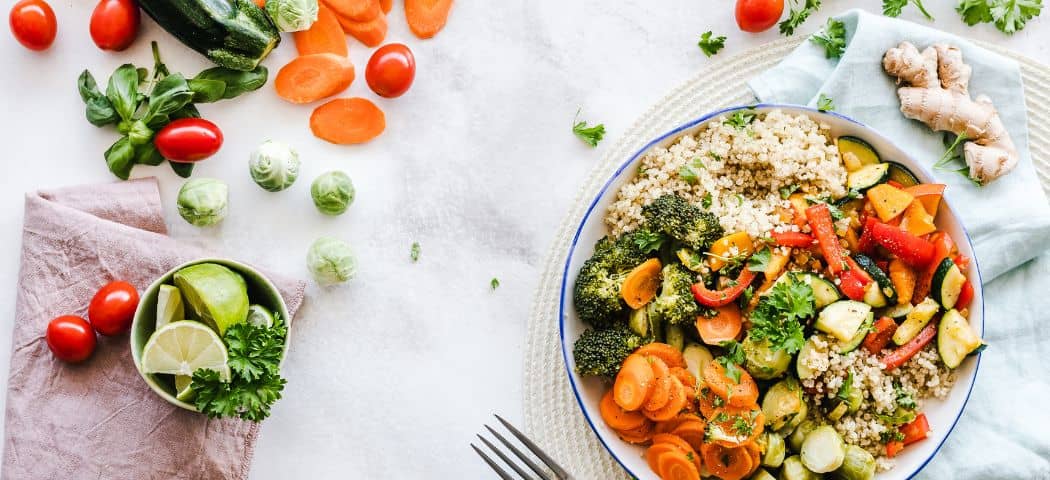
Hypothyroidism is a condition of an underactive thyroid gland. It is one of the medical conditions that make it hard to lose weight. However, with the right dietary choices, people with hypothyroidism can enhance their metabolism and have an effective weight loss. In this article, we’ll discuss the best food groups and ingredients to include in your diet to help you with your weight management and support thyroid health.
1. Iodine-Rich Foods
Iodine is essential for thyroid hormone production. Include iodine-rich foods like seaweed, fish, dairy products, and eggs in your diet to support thyroid function. Always remember, not to overconsume iodine, as too much can also disrupt thyroid function!
2. Selenium-Containing Foods
Selenium plays a crucial role in the conversion of the thyroid hormone thyroxine (T4) to its active form, triiodothyronine (T3). Foods rich in selenium include nuts, sunflower seeds, fish, poultry, and eggs. Just a couple of nuts per day can provide your daily selenium requirement to support overall thyroid health! 
3. Zinc-Rich Foods
Zinc is another essential nutrient for thyroid function and metabolism. Foods like oysters, beef, pumpkin seeds, and chickpeas are excellent sources of zinc! Incorporate these foods into your diet to help maintain healthy thyroid hormone levels and improve metabolic rate, aiding weight loss.
4. Antioxidant-Rich Berries
Berries such as blueberries, strawberries, and raspberries are packed with antioxidants and fiber. They help reduce inflammation and oxidative stress, which can support thyroid health. The fiber in berries also aids digestion and can help control hunger to support your weight management!
5. Lean Proteins
Include lean proteins such as chicken, turkey, fish, and legumes in your diet! Proteins not only help maintain muscle mass but also increase the thermic effect of food, which means your body burns more calories digesting them compared to fats or carbohydrates. This helps boost metabolism in people with hypothyroidism.
6. Whole Grains
Whole grains like quinoa, brown rice, oats, and barley provide a steady release of energy and are rich in fiber. This helps regulate blood sugar levels and prevents the spikes and crashes that can lead to overeating. Whole grains also contain essential nutrients such as B vitamins, which support energy metabolism!
7. Healthy Fats
Healthy fats are essential for overall health and can support thyroid function. Foods like avocados, nuts, seeds, and olive oil provide omega-3 fatty acids and other healthy fats that reduce inflammation and support cellular health. Include these in your diet to help maintain hormonal balance and support weight management!
8. Cruciferous Vegetables (in moderation)
While cruciferous vegetables like broccoli, cauliflower, and Brussels sprouts are nutrient-dense, they should be consumed in moderation! Be cautious of consuming them raw, as they contain goitrogens that can interfere with thyroid function. Cooking these vegetables reduces their goitrogenic properties, making them a valuable part of a hypothyroidism-friendly diet!
9. Hydrating Foods and Drinks
Staying hydrated is crucial for your metabolism and overall health. Foods with high water content, like cucumbers, watermelon, and citrus fruits, can help keep you hydrated. Drinking herbal teas and water infused with lemon or cucumber can also support your weight management!
Managing weight with hypothyroidism requires a balanced and nutrient-dense diet and incorporating these thyroid-friendly food groups and ingredients can help boost metabolism to support thyroid function and aid in your weight loss! 
It’s best to consult with an expert to guide you and help you tailor dietary choices to your specific needs and ensure you’re meeting all nutritional requirements. Consult with our Marie France experts and nutritionist for a personalized and holistic approach to your wellness! Book your consultation with us today!
Pause to Progress: Why Rest Day Matters

Working out is always applauded when you consistently do your routines, follow a regimen, and do it religiously with no rest days. Reality check! Rest day is a must! Achieving your fitness goals means that rest and recovery period is equally important when you exercise for muscle growth, enhance overall workout performance, and prevent burnout. 
HereÔÇÖs why rest days are a must when you workout!┬á
Why Rest Days is Important in Fitness
During intense workouts, your muscles undergo stress and microscopic damage. Rest days allows your body to repair and strengthen these muscles leading to growth and improved endurance! 
Recovery in Workout Progress
Recovery is essential for maximizing workout benefits and preventing injuries! With no proper recovery period, your body cannot fully recoup from the stresses of training, which can lead to overtraining, fatigue, and decreased performance. Incorporating regular rest days into your fitness routine ensures that you can continue to train effectively and reach your fitness goals without setbacks.
Rest days matter for several reasons:
- Muscle Repair and Growth: During rest is when muscles recover and grow stronger. The process of muscle hypertrophy, where muscle fibers increase in size, occurs during rest periods following exercise.
- Energy Restoration: Physical activity depletes glycogen stores in the muscles. Rest days allow these stores to be replenished, ensuring that you have the energy needed for future workouts.
- Mental Recovery: Rest days also provide a mental break from the rigors of training, helping to prevent burnout and maintain motivation.
Recovery Strategies for Fitness Progress
To maximize the benefits of rest days, consider trying these various recovery strategies:
- Active Recovery: Engage in low-intensity activities like walking, yoga, or stretching to promote blood flow and reduce muscle soreness.
- Hydration and Nutrition: Proper hydration and a balanced diet support muscle recovery and replenish energy stores.
- Sleep: Adequate sleep is crucial for recovery, as it’s during sleep that the body repairs itself and produces growth hormones.
- Massage and Stretching: These can help reduce muscle tension and improve flexibility.
Resting is a way of showing love and respect your body! 
Achieving best results on your fitness journey is finding the right balance to your training and prioritizing recovery. LetÔÇÖs change our mindset of thinking that rest equals weakness or laziness. Instead, look at it as a strategy that greatly helps you maximize gains, prevent injuries, and sustain long-term progress.┬á
You can also ask for expert guidance here at Marie France to combine your workout progress with a comprehensive weight loss treatment thatÔÇÖs healthy for you and your body goals.┬á Book a consultation today!
4 Ways to Tone Muscles Without Exercise: Tesla Body Former, EvolveX, Physique Inch Loss, and TriPollar
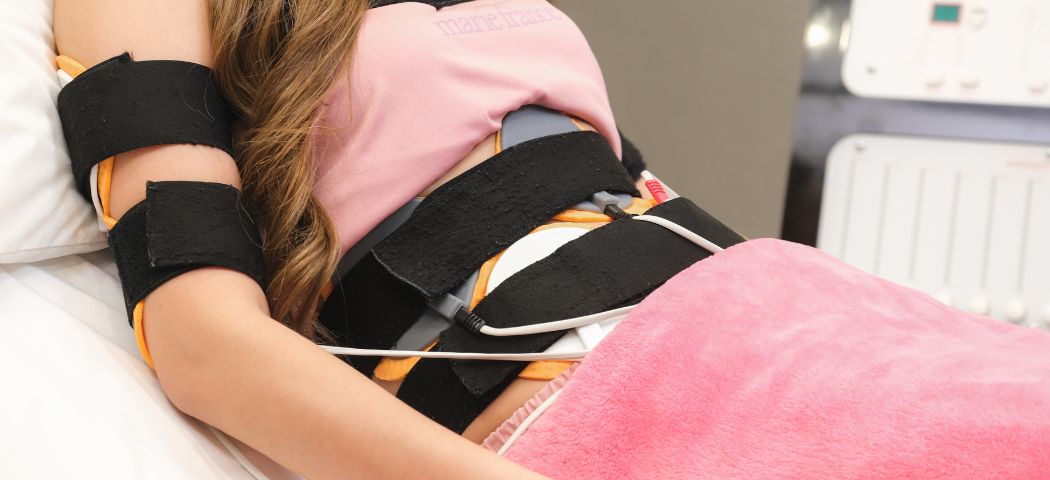
Finding time for exercise can be challenging, especially if you are busy. However, you can achieve weight loss without exercise made possible by Marie France’s advanced and non-invasive technology. With Marie France’s technology, it is now possible to tone muscles and tighten skin without traditional workouts! In this article, we’ll explore Marie France’s four advanced treatments, Tesla Body Former, EvolveX, Physique Inch Loss, and TriPollar, that can help you build muscle without exercise and achieve effective skin tightening!
- Tesla Body Former: Electrical Muscle Stimulation
The Tesla Body Former is powered by advanced Electrical Muscle Stimulation (EMS) technology to target and tone muscles. By sending electrical impulses to the muscles, it causes them to contract and relax, mimicking the effects of a workout. This process helps build muscle without exercise and enhances muscle definition and strength!
This treatment is perfect for improving muscle tone and reducing fat! It stimulates muscle growth, boosts circulation, and reduces the appearance of cellulite. This treatment can also target specific muscle groups including abs, glutes, thighs, calves, triceps, and biceps.
- EvolveX: Comprehensive Body Contouring
EvolveX is powered by bipolar radio frequency and continuous muscle activation (CMA) to target and eliminate fat tissue, enhance muscle tone, and tighten the skin. This non-surgical procedure targets both muscle toning and skin tightening, offering a dual-action solution for those seeking overall body enhancement.
EvolveX uses radiofrequency energy to tighten loose skin and strengthen muscles, resulting in a more sculpted appearance. The treatment is painless and requires no downtime!
- Physique Inch Loss: Targeted Muscle Toning and Fat Reduction
Physique Inch Loss is a spot fat reduction treatment that sheds inches in your target areas! It is powered with advanced Transcutaneous Electrical Nerve Stimulation (TENS) technology to tone the skin, eliminate fat, and strengthen muscles.
Physique Inch Loss is particularly effective for areas with persistent fat and loose skin such as the abdomen, arms, thighs, flanks, and back. This treatment is a great option for those seeking a toned physique without extensive physical activity. A 15-minute Physique Inch Loss session provides the same effect as 225 sit-ups!
- TriPollar: Advanced Skin Tightening and Muscle Toning
The TriPollar treatment redefines your tummy, arms, and thighs with its body shaping, skin tightening, and cellulite reduction benefits. The radiofrequency component of TriPollar heats the deeper layers of the skin, stimulating collagen and elastin production, helping you achieve a more sculpted appearance without exercise!
Enhancing Results with Healthy Habits
Remember to maintain healthy habits to maximize the effectiveness of your treatments. Eating a balanced diet rich in protein, vitamins, and minerals is essential. Additionally, staying hydrated and getting adequate sleep is important for your overall well-being and optimal treatment results!
Combining these treatments with a healthy lifestyle is important for a holistic weight loss journey. At Marie France, we offer a personalized holistic approach for every body type. Consult with our experts today!