How Genetics Influence Weight Loss: Understanding Your Genetic Blueprint
Weight loss is a complex journey influenced by various factors, and one significant aspect that is often overlooked is genetics. Understanding your genetic blueprint is important when planning yourlifestyle and weight management. In this article, we will explore how genetics affect weight loss and how you can tailor your approach to achieve better results.
The Role of Genetics in Weight Loss
Genetics are crucial in determining how your body responds to diet and exercise. While lifestyle choices like diet and physical activity are important, it is also vital to consider your genetics and how they can influence your metabolism, appetite, and your body’s propensity to store fat. Since we all have different genetics, it also means that the same weight loss strategies may not work equally well for everyone.
How Genes Affect Weight Loss
These are the various factors in weight management that are affected by genetics::
Metabolism: Some people have a naturally faster metabolism, which makes it easier for them to burn calories. Others may have a slower metabolism which requires more effort to achieve the same weight loss results.
Appetite Regulation: Genetic factors influence hunger hormones like ghrelin and leptin, which regulate appetite and satiety. This can affect how much you eat and how often you feel hungry.
Fat Storage and Distribution: Genetics can also determine where your body stores fat, whether it’s in the abdominal area or hips.
Response to Exercise: Some may see significant weight loss with regular exercise, while others may not experience the same benefits due to genetic differences.
Personalized Weight Loss Based on Genetics
It is important to understand your genetic blueprint to have a personalized and effective weight management plan. Genetic testing for weight loss is becoming increasingly popular, providing insights into how your body metabolizes nutrients, your predisposition to certain eating behaviors, and your response to different types of exercise.
By tailoring your diet and exercise routine based on your genetic profile, you can boost your weight loss efforts. For example, if your genetic makeup suggests a slower metabolism, you might benefit from a diet higher in protein to boost your metabolic rate. Similarly, if you’re genetically predisposed to store fat in the abdominal area, targeted treatments and exercises, and dietary adjustments can help manage this!
The Role of DNA in Weight Loss
Your DNA provides a blueprint that can guide you on your weight loss journey. While it doesn’t always determine your end goal, it offers valuable information that can help you make informed decisions about your health and lifestyle. By understanding the genetic factor, you can develop a more effective and sustainable weight management plan!
Tailoring Your Diet to Your Genetic Blueprint
One of the practical applications of genetic testing is customizing your diet to suit your genetic profile. This can involve adjusting macronutrient ratios such as carbohydrates, fats, and proteins based on how your body processes these nutrients. 
For example, if you have a genetic tendency to process fats less efficiently, a lower-fat diet might be recommended. Although genetics greatly influence weight loss, they are not the sole determinant of success. A holistic approach that includes a healthy diet, regular exercise, and lifestyle modifications plays a great role in effective weight loss.
With the help of an expert, understanding your genetic blueprint can provide a personalized guide to more effective weight management to help you achieve and maintain your body goals. Consult with Marie France experts for a personalized and holistic weight management plan for every body! Book your consultation with us today!
Managing Hypothyroidism: Tailored Diet and Weight Loss Techniques
Hypothyroidism is a condition where the thyroid gland produces insufficient thyroid hormones. Hypothyroidism can slow down metabolism making it one of themedical conditions that make it hard to lose weight.However, with the right diet and specific weight management plan, managing your weight is possible! HereÔÇÖs a comprehensive guide on what to eat and how to manage your weight if you have hypothyroidism.
Understanding Hypothyroidism and Its Impact on Weight
Hypothyroidism affects the body’s metabolism, leading to symptoms like fatigue, weight gain, and difficulty managing weight. Having the right diet and personalized weight management plan can help you achieve better results in your weight management journey!
Hypothyroidism Diet
Nutrient-Dense Foods
Importance: Foods rich in nutrients provide essential vitamins and minerals that support thyroid function and your overall health!
Importance: Eating protein helps maintain muscle mass, supports metabolic health, and increases your satiety.
Examples: Lean meats, fish, eggs, dairy products, legumes, and tofu.
Healthy Fats
Importance: Healthy fats are a must for hormone production! Healthy fats can also help you feel full longer to support you throughout the day.
Examples: Avocados, olive oil, nuts, seeds, and fatty fish like salmon.
Complex Carbohydrates
Importance: Complex carbohydrates provide sustained energy and also help regulate your blood sugar levels!
Examples: Whole grains (e.g., quinoa, brown rice), sweet potatoes, oats, and legumes.
Hydration
Importance: Staying hydrated is essential for metabolic processes and overall health.
Tip: Stay hydrated by drinking plenty of water throughout the day and eating hydrating foods like cucumbers and watermelon!
Fiber-Rich Foods
Importance: Eating fiber aids digestion and makes you feel full longer!
Examples: Fruits, vegetables, whole grains, and legumes.
Limit Goitrogenic Foods
Importance: Some foods can interfere with thyroid function if consumed in large amounts.
Examples: Cruciferous vegetables like broccoli, cauliflower, and Brussels sprouts should be eaten in moderation and preferably cooked!
Weight Loss Techniques for People with Hypothyroidism
Frequent, Balanced Meals Importance: Eating smaller, more frequent meals can help manage hunger and stabilize blood sugar levels. Tip: Aim for 5-6 small meals per day, balancing protein, carbs, and healthy fats!
Strength Training
Importance: Strength training helps build and maintain muscle mass which boosts metabolism.
Tip: Incorporate weight lifting or resistance exercises 2-3 times a week in your workout routine!
Cardiovascular Exercise
Importance: Doing cardio exercises burns calories and improves your cardiovascular health.
Tip: Aim for at least 150 minutes each week of moderate-intensity cardio, such as brisk walking, cycling, or swimming!
Stress Management
Importance: Chronic stress can worsen hypothyroidism symptoms which can affect your weight management.
Tip: Practice stress-reducing techniques such as yoga, meditation, and deep breathing exercises.
Adequate Sleep
Importance: Adequate and quality sleep is essential for your metabolic health and weight management.
Tip: Aim for 7-9 hours of sleep per night and establish a regular sleep routine!
Regular Monitoring
Importance: Regularly monitoring your thyroid levels and symptoms helps adjust your diet and exercise plan accordingly!
Tip: Keep in touch with your healthcare provider to ensure your treatment is effective.
Weight management for people with hypothyroidism requires a balanced approach, including a nutrient-dense diet, regular exercise, and healthy lifestyle habits. By focusing on protein, healthy fats, complex carbs, and fiber, along with incorporating strength training and cardio, can help enhance metabolism and support a sustainable weight loss journey. It’s also important to consult with weight management experts and your healthcare provider to ensure your plan is personalized and holistic. Marie France has a customized and comprehensive weight management plan for every body! Book a consultation today!
The Weighty Side of Arthritis: Factors Contributing to Weight Gain
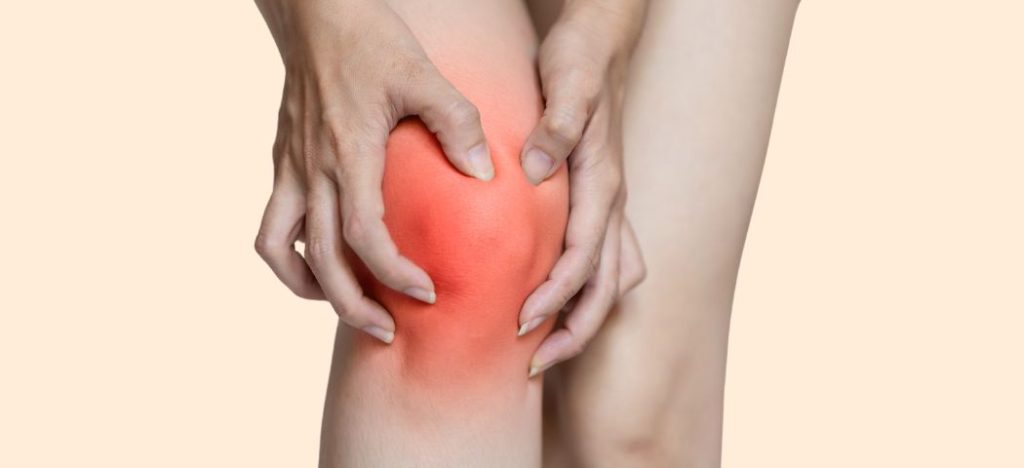
Swollen joints that cause pain, stiffness, and decreased mobility? You might be suffering from arthritis. Having this condition can be due to different factors such as a sedentary lifestyle, age, genetics, weight gain, etc.
In this article, weÔÇÖll take a look at how arthritis and weight gain are connected and how we can manage both conditions holistically!
How Arthritis Leads to Weight Gain
1. Reduced Physical Activity
One of the primary ways arthritis can lead to weight gain is through decreased physical activity. The pain and stiffness associated with arthritis can make it difficult to engage in regular exercise, leading to a more sedentary lifestyle.
Limited Mobility: Joint pain and stiffness can restrict movement, making it challenging to participate in physical activities that burn calories.
Avoiding Physical Activity: Many people with arthritis avoid exercise altogether to prevent pain, further reducing their overall activity levels.
2. Metabolic Changes
Arthritis can also lead to metabolic changes that promote weight gain.
Inflammation: Chronic inflammation associated with arthritis can alter the bodyÔÇÖs metabolism, making it easier to gain weight.
Medications: Some medications used to treat arthritis, such as corticosteroids, can increase appetite and lead to weight gain.
3. Emotional Eating
The psychological impact of living with a chronic condition like arthritis can have a mental and emotional influence which contributes to weight gain.
Stress and Depression: Arthritis can lead to increased stress and depression, which may result in emotional eating or seeking comfort in high-calorie, unhealthy foods.
Isolation: Social isolation due to limited mobility can also lead to overeating as a way to cope with feelings of loneliness or boredom.
Specific Causes of Weight Gain When You Have Arthritis
1. Pain Management Strategies
Many people with arthritis use pain management that can unintentionally cause weight gain.
Sedentary Pain Relief: Using rest and avoiding movement to manage pain can reduce calorie expenditure, leading to weight gain.
Over-the-Counter Pain Relievers: Some pain relief medications can have side effects, including weight gain.
2. Dietary Choices
Arthritis can influence dietary habits in ways that promote weight gain.
Convenience Food: Limited mobility may lead to a reliance on convenience food that is often high in calories, fats, and sugars.
Comfort Food: Seeking comfort in high-calorie food to manage pain and emotional distress can increase calorie intake.
3. Muscle Loss
Arthritis can lead to muscle atrophy due to inactivity.
Reduced Muscle Mass: Muscle loss decreases the bodyÔÇÖs metabolic rate, making it easier to gain weight even with a normal calorie intake.
Simple Ways to Manage Weight Gain with Arthritis
1. Low-Impact Exercise
Engaging in low-impact exercises can help manage weight without exacerbating arthritis symptoms.
Swimming: Provides a full-body workout without putting stress on the joints.
Walking: Gentle walking can help burn calories and improve joint mobility.
Yoga and Stretching: Helps maintain flexibility and reduce stiffness.
2. Healthy Eating Habits
Adopting a balanced diet can help manage weight gain associated with arthritis.
Anti-Inflammatory Food: Incorporate foods that reduce inflammation, such as fruits, vegetables, whole grains, and fatty fish.
Portion Control: Be mindful of portion sizes to avoid overeating.
3. Medication Management
Work with your healthcare experts to manage medications effectively.
Alternative Therapies: Explore alternative pain management therapies that may have fewer side effects related to weight gain.
Regular Monitoring: Monitor weight regularly and adjust medications if they contribute to significant weight gain.
If you have arthritis while dealing with weight gain, itÔÇÖs best that you manage both conditions effectively and safely. By incorporating healthy lifestyle and treatments guided by trusted experts, weight management can be done safely and effectively! Interested to know more about how Marie France can help you on your wellness journey? You can book a consultation with us today!
Non-Invasive Treatments for Cellulite (Endermologie, TMP, PDT)
Cellulite is a skin condition characterized by dimpled skin, often on the thighs, hips, buttocks, and abdomen. It is a common skin concern that can be caused by weight gain or weight loss. Even with diet and exercise, cellulite is difficult to eliminate.
Fortunately, there are advanced non-invasive treatments like Endermologie, TMP (Thermomagnetic Pulse), and PDT (Plasti-Dermi Treatment) that can also address cellulite reduction and skin tightening, while being classified as a non-invasive fat removal treatment.
Let’s explore how these Marie France treatments can help reduce cellulite and improve your skin appearance!
Understanding Cellulite
Cellulite forms when fat deposits push through the connective tissue beneath the skin which creates a dimpled, lumpy appearance. Genetics, hormonal changes, and lifestyle choices are factors that affect cellulite development. Cellulite is not harmful; however, many seek ways to reduce its appearance for smoother and firmer skin!
1. Endermologie+: Mechanical Massage Therapy
Endermologie+ is one of our holy grail treatments that uses mechanical massage to stimulate the skin and underlying tissues. This treatment uses Marie FranceÔÇÖs signature roller to massage and manipulate the skin which reduces cellulite, firms, and contours the body!
How Endermologie+ Works:
Stimulates Circulation: The signature roller massage improves blood flow and lymphatic drainage which helps remove toxins and excess fluids from the body.
Breaks Down Fat Deposits: The rollers break down fat deposits that cause the dimpled appearance of cellulite.
Enhances Skin Elasticity: This treatment stimulates collagen and elastin production which helps to tighten loose skin, resulting in smoother and firmer skin!
Benefits:
Non-surgical
Improves skin tone and texture
Requires no downtime which allows you to resume daily activities immediately
Thermomagnetic Pulse (TMP) is a 4-in-1 treatment that uses advanced technology that combines thermal energy and magnetic pulses to target cellulite and loose skin effectively. This treatment addresses both the fat deposits and the skinÔÇÖs elasticity!
How TMP Works:
Thermal Energy: It heats the deeper layers of the skin to stimulate collagen production and improve skin tightness.
Magnetic Pulses: It induces muscle contractions to mimic the effects of exercise to tone and firm the muscles beneath the skin.
Benefits:
It is non-invasive with no recovery time!
It targets both cellulite reduction and skin tightening.
Plasti-Dermi Treatment (PDT) is also one of Marie France’s holy grail treatments for those who want to reduce cellulite and tighten loose skin. PDT uses light therapy combined with photosensitizing agents to target fat cells and stimulate skin rejuvenation.
How PDT Works:
Light Therapy: It penetrates the skin layers to activate the photosensitizing agents that target and destroy fat cells.
Collagen Stimulation: It also stimulates collagen production to improve skin elasticity and reduce the appearance of cellulite.
Benefits:
It is non-surgical!
It is effective for various body areas, including the thighs, abdomen, and arms.
It provides both cellulite reduction and skin tightening.
Combining Treatments for Optimal Results
It is recommended to combine these treatments to achieve the best results! Combining Endermologie, TMP, and PDT can improve your skin’s appearance and texture. Plus, it is also recommended to consult with an expert who can help you determine the most effective treatment plan based on your specific needs and goals.
Enhancing Treatment Outcomes with Healthy Habits
While these treatments are highly effective, it is also recommended to maintain a healthy lifestyle to enhance and sustain your results! Here are the following tips you can follow to sustain your results:
Balanced Diet: Eat a diet rich in fruits, vegetables, lean proteins, and whole grains to support your bodyÔÇÖs natural processes.
Hydration: Drink plenty of water to keep your skin hydrated and stay healthy!
Regular Exercise: Incorporate regular physical activity to improve circulation and maintain muscle tone.
Cellulite can be difficult to treat, but advanced non-invasive treatments like Endermologie, TMP, and PDT make achieving smoother, firmer skin possible! These treatments effectively reduce cellulite and tighten skin without the need for surgery or extensive downtime.
Maintaining a healthy lifestyle is also essential. Combining these treatments with expert consultation provides practical and effective solutions to help you look and feel your best.
Consult with Marie France for a holistic wellness approach For Every Body! Book a consultation today!
Smooth Skin Secrets: Non-Surgical Cellulite Treatments at Marie France
Seeking the right treatments for smoother skin? Marie France offers non-surgical treatments effective for those who seek cellulite reduction, especially on the thighs, buttocks, and abdomen!
Discover our signature Skin Tightening services ÔÇô EvolveX, Thermo Magnetic Pulse, and TriPollar ÔÇô to achieve youthful, glowing skin like never before!
Understanding Cellulite and How To Address It
Cellulite occurs when fat deposits push through the connective tissue beneath the skin, creating a dimpled or lumpy appearance. Factors such as genetics, hormones, and lifestyle choices contribute to its development. Non-surgical treatments focus on improving skin texture and tightening the affected areas without invasive procedures.
Non-Surgical Methods for Cellulite Treatment
1. EvolveX: Total Body Remodeling
EvolveX is a widely recognized cellulite treatment that uses multiple technologies like bi-polar Radio Frequency (RF) and Continuous Muscle Activation (CMA) to target and eliminate fat tissue, enhance muscle tone, and tighten the skin.
Skin Tightening: The RF technology delivers bulk heating evenly on target areas for consistent tissue remodeling and skin tightening.
Muscle Building: Induces muscle contractions to build and strengthen muscles.
EvolveX sessions are comfortable and require no downtime, making it a popular choice for individuals seeking gradual improvements in cellulite reduction.
2. TriPollar: Advanced Radiofrequency Technology
TriPollar technology utilizes Radio Frequency (RF) energy to target cellulite and improve skin elasticity. This non-surgical treatment heats the skin’s deeper layers, stimulating collagen production and reducing the appearance of cellulite.
Benefits of TriPollar:
Skin Firming: Enhances skin elasticity and firmness, smoothing out dimpled skin texture.
Body Fat Reduction: Uses Radio Frequency to amp up metabolism and release fatty acids naturally.
Body Toning Treatment: Smooths curves and helps tone trouble spots for a more defined body.
TriPollar treatments are safe and effective for various body areas, offering a non-surgical solution for achieving smoother skin.
3. Thermo Magnetic Pulse (TMP): 4-in-1 Super Treatment
Thermo Magnetic Pulse uses groundbreaking technology delivering four benefits in one: body sculpting, fat reduction, skin tightening, and cellulite reduction.
How TMP Works:
Redefine Curves: Shapes and tightens the body to your desired form, reducing fat deposits in the arms, belly, and thighs.
Melt Away Fat Deposits: Reaches deep into skin layers to target fat deposits, removing them naturally through your bodyÔÇÖs lymphatic system.
Reduce Cellulite: Through Radio Frequency (RF), TMP tightens and smoothens skin by stimulating collagen and elastin production.
TMP is effective for reducing cellulite in various body areas, providing gradual improvements in skin texture and firmness.
Enhancing Results with Healthy Habits
While non-surgical treatments offer significant benefits for cellulite reduction, incorporating healthy habits can optimize results:
Regular Exercise: Engage in physical activities like walking or jogging to improve circulation and support cellulite reduction.
Balanced Diet: Consume a diet rich in fruits, vegetables, and lean proteins to support skin health and overall well-being.
Hydration: Drink plenty of water to keep your skin hydrated and improve skin elasticity.
By stimulating collagen production and enhancing skin elasticity, these innovative technologies and simple healthy habits provide visible results and promote confidence in your skin’s appearance. Try out these non-surgical options to achieve smoother, more toned skin!
Book a consultation with Marie France today and feel more confident with your body and skin!
Stress Less, Weigh Less: Simple Steps for a Healthier You
In todayÔÇÖs fast-paced world, stress greatly impacts our daily lives. From chasing deadlines, juggling our responsibilities, or dealing with financial pressuresÔÇôstress can alter our brain chemistry and impact our physical well-being.
Find out how we can curb stress with effective stress management techniques in support of your healthy lifestyle and weight loss management.
How Does Stress Affect Our Bodies?
When we experience stress, our bodies release hormones like cortisol and adrenaline, which trigger our “fight or flight” response. While this response is crucial for dealing with immediate threats, prolonged or chronic stress can lead to overproduction of cortisol, disrupting metabolism, increasing appetite, and promoting fat storageÔÇôparticularly around the abdomen.
Stress Eating: Connecting the Dots
One of the most common coping mechanisms when dealing with stress is stress eating! ItÔÇÖs where we turn to food for comfort or distraction during immense stress. Many people find themselves craving high-calorie, sugary, or salty food when they find their stress level too much to handle, which can lead to overeating and eventually, weight gain.
Learning the connection between stress and eating behaviors is the first step in solving stress-related weight issues.
Stress Management Techniques
Now that we’ve explored the impact of stress on weight, let’s check out these stress management techniques to help you better cope with stress and support your weight management goals:
1. Mindfulness Meditation
Mindfulness meditation helps you focus your attention on the present moment without judgment. Practicing mindfulness meditation regularly can help reduce stress levels, improve mood, and promote mindful eating habits.
2. Deep Breathing Exercises
Deep breathing exercises, such as diaphragmatic breathing or belly breathing, can help activate the body’s relaxation response and reduce stress levels. Take a few minutes each day to practice deep breathing exercises to calm your mind and body.
3. Physical Activity
Regular exercise is one of the most effective ways to reduce stress and improve mood. Engage in activities you enjoy (e.g., walking, jogging, yoga, or dancing) to help release tension and boost endorphins, the body’s natural stress relievers.
4. Time Management
Poor time management can lead to feelings of stress and overwhelm. Try fixing your schedule by prioritizing tasks, setting realistic goals, and delegating responsibilities when possible. Remember to schedule time for relaxation and self-care as well!
5. Healthy Lifestyle Habits
Adopting healthy lifestyle habits, such as getting adequate sleep, eating a balanced diet, and limiting caffeine and alcohol intake, can help support your body’s ability to cope with stress and maintain a healthy weight.
6. Social Support
Reach out to friends, family members, or support groups for emotional support during stressful times. Sharing your feelings and experiences with others can help alleviate stress and foster a sense of connection and belonging.
7. Relaxation Techniques
Explore relaxation techniques such as progressive muscle relaxation, guided imagery, or aromatherapy to help calm your mind and body and reduce stress levels.
The key to effective stress management is consistency and integration into your daily routine. Experiment with different stress management techniques to find what works best for you, and make time for stress relief activities each day.
Conclusion
Effective stress management is crucial for supporting weight control and overall well-being. Remember that stress is a normal part of life, but how you choose to manage it can make all the difference in your weight control efforts!
Alongside managing stress, you can also take relaxing ways to effectively manage weight loss efforts thatÔÇÖs holistic and guided by a team of experts at Marie France! With an array of weight loss services for fat reduction, inch loss, tightening, sculpting, and maintenanceÔÇôyou can achieve your body goals without worries.
Book a consultation with us today!
Tired and Gaining Weight? Sleep Apnea Might be the Culprit
Sleep apnea is a common sleep disorder that affects sleep quality. As your sleep gets disrupted by this condition, so does your weight. ItÔÇÖs a well-documented phenomenon that is caused by many factors.
LetÔÇÖs find out more about it!
Different Causes of Weight Gain When You Have Sleep Apnea
1. Metabolic Changes
Weight gain caused by sleep apnea is due to the disruption of metabolic processes caused by the disorder. It can lead to hormonal imbalances such as increased levels of ghrelin, known as ÔÇ£The Hunger Hormone,ÔÇØ and decreased levels of leptin, known as ÔÇ£The Satiety HormoneÔÇØÔÇöresulting in overeating and weight gain.
2. Poor Sleep Quality
Individuals with sleep apnea often experience interrupted and poor-quality sleep due to frequent awakenings throughout the night. This chronic sleep deprivation can disrupt the body’s ability to regulate appetite and metabolism, contributing to weight gain over time.
3. Lifestyle Factors
People with sleep apnea may adopt sedentary behaviors or irregular eating patterns, which can further exacerbate sleep apnea-related weight gain. Lack of physical activity and unhealthy dietary choices can compound the metabolic effects of sleep apnea, making weight management more challenging.
Using a CPAP machine, which delivers a steady stream of air to keep airways open during sleep, can improve sleep quality and potentially aid in weight management by addressing the root cause of sleep apnea.
2. Weight Management Programs
Incorporating sleep apnea weight gain-focused strategies into weight management programs can help individuals adopt healthier lifestyle habits. This may include dietary modifications, regular physical activity, and behavioral changes to promote sustainable weight loss.
3. Medical Management
Consulting with healthcare professionals, like sleep specialists or dietitians, can provide personalized approaches to address the causes of weight gain when you have sleep apnea. They can offer guidance on effective treatments and lifestyle adjustments tailored to individual needs.
Conclusion
Recognizing the relationship between sleep apnea and weight gain is important in terms of managing both concerns effectively. Addressing any underlying causes and adopting healthy lifestyle changes are key to overall well-being.
Aside from managing sleep concerns, Marie France offers a holistic weight loss approach to any body concerns you may have to help you achieve healthy body goals without sacrificing anything! Just a happy, healthier you.
Book a consultation today!
Losing Weight On The Scale But Not In The Mirror? Try These Inch Loss Treatments!
Losing weight, no matter the number, is a significant accomplishment in itself! However, some results arenÔÇÖt always as visible as you had hoped. Persistent areas of fat, cellulite, and loose skin can make it seem like your efforts arenÔÇÖt manifesting as expected.
DonÔÇÖt worry! Our advanced treatments like Vara Pulse, Plasti-Dermi Treatment (PDT), and Thermo Magnetic Pulse (TMP) can help you. These non-surgical treatments offer realistic solutions for reducing cellulite, tightening skin, and even building muscles.
Understanding the Challenge
Many people experience the frustration of losing weight without seeing the expected results in terms of body contour and skin firmness. This is often due to stubborn fat deposits, cellulite, and loose skin that remain even after significant weight loss. Addressing these issues requires targeted treatments that go beyond traditional dieting and exercise.
1. Vara Pulse: Revolutionary Cellulite Reduction
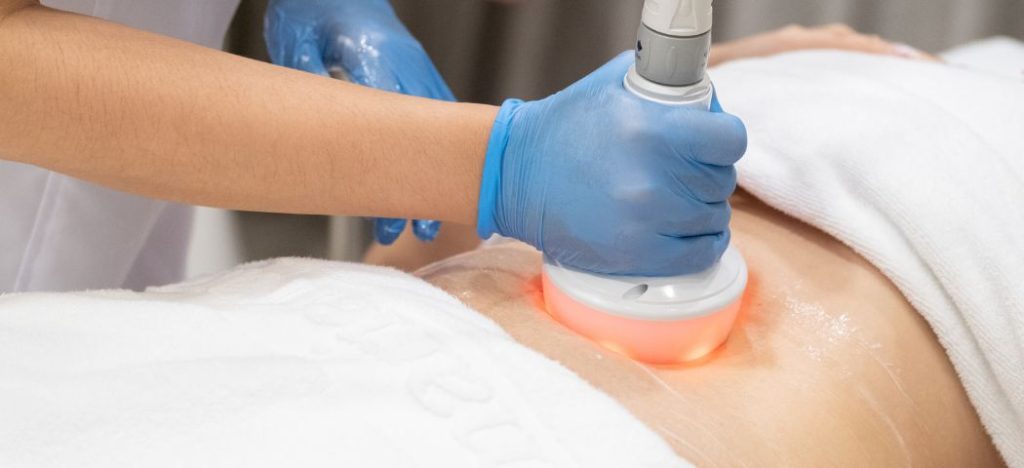
Vara Pulse is an advanced cellulite treatment that uses ultrasonic wave technology to target and break down areas where cellulite is trapped. This non-surgical procedure helps smooth out dimpled skin, reducing the appearance of cellulite and contributing to overall inch loss.
The Vara Pulse treatment works by delivering controlled energy pulses to trouble spots, increasing blood flow and stimulating the bodyÔÇÖs natural fat-burning processes. As a result, it not only reduces cellulite but also helps in contouring and reshaping the body. This treatment is ideal for those looking for a non-surgical way to achieve a smoother and more toned appearance.
2. Plasti-Dermi Treatment (PDT): Heavy Duty Fat Pulverizer
Plasti-Dermi Treatment (PDT) is another effective solution for those struggling with tightening their loose skin. It also aids in lymphatic drainage. PDT uses vacuum pressure to target fat cells and stimulate collagen production, resulting in tighter and more youthful-looking skin.
This treatment is particularly effective for areas with saggy skin or persistent fat deposits. The vacuum pressure used in PDT penetrates the skin layers to target and destroy fat cells. Simultaneously, the process stimulates collagen production, improving skin elasticity and firmness. PDT is a versatile skin tightening treatment that can be used on various parts of the body, including the abdomen, thighs, and arms.
3. Thermo Magnetic Pulse (TMP): The 4-in-1 Treatment
Thermo Magnetic Pulse (TMP) is a cutting-edge treatment that offers four benefits in one: body sculpting and shaping, skin tightening, and cellulite smoothing. This technology uses a combination of magnetic pulses and thermal energy to target both the muscles and the skin.
TMP works by sending radio frequency energy to the muscles, safely reaching deep skin layers to target fat deposits effectively in the arms, belly, and thighs. At the same time, the thermal energy stimulates collagen production, effectively tightening loose skin.
This treatment is particularly beneficial for those looking to tone their bodies.
Combining Treatments for Optimal Results
For many individuals, a combination of these treatments may offer the best results. By addressing multiple aspects of body contouringÔÇösuch as cellulite reduction, skin tightening, and muscle toningÔÇöthese technologies can work together to provide comprehensive improvements. Consulting with our experts can help you determine the most effective treatment plan based on your specific needs and goals.
Enhancing Treatment Outcomes with Healthy Habits
While these treatments are highly effective, maintaining healthy lifestyle habits can further enhance and sustain your results. A balanced diet, regular hydration, and adequate sleep are essential for supporting your bodyÔÇÖs natural processes. Additionally, light physical activities, such as walking or yoga, can complement these treatments and help maintain muscle tone and skin health.
By incorporating these innovative treatments into your wellness routine, you can achieve a smoother, more toned appearance and feel more confident in your body! Book a consultation today!
Understanding Somatic Exercises and Their Role in Weight Loss
Understanding Somatic Exercises and Their Role in Weight Loss 
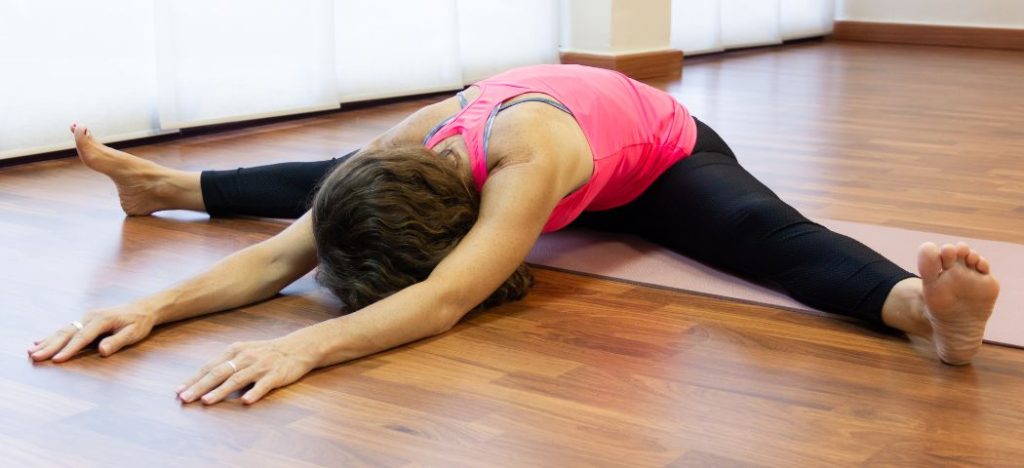
Somatic exercises are a type of movement technique that focuses on improving body awareness, flexibility, and muscle control through mindful and intentional movements. Unlike traditional exercises to lose weight and enhance muscular strength or cardiovascular fitness, somatic exercises improve the neuromuscular system to release chronic muscle tension. In this article, we’ll discuss how somatic exercises can contribute to weight loss and improve your overall well-being!
What are Somatic Exercises?
Somatic exercises involve slow, deliberate movements that encourage the brain to reconnect with muscles, joints, and nerves. By increasing body awareness and promoting relaxation, these exercises restore natural movement patterns and ease musculoskeletal pain caused by stress, injury, and poor posture.
How Somatic Exercises Help with Weight Loss
Mind-Body Connection
Somatic exercises boost a strong mind-body connection which is essential for sustainable weight loss. By becoming more aware of habitual movement patterns and postures, you can consciously make adjustments to support healthier choices and improve movement efficiency.
Reduction of Chronic Muscle Tension
Chronic stress and tension can lead to tight muscles and restricted movement which hinders your physical activity and weight loss efforts. Somatic exercises can help release tension and improve flexibility to make it easier to engage in regular exercise and burn calories effectively.
Improved Posture and Alignment
Poor posture can cause muscle imbalances and joint pain which can also limit your physical activity. Somatic exercises focus on correcting your posture and alignment, which not only reduces discomfort but also enhances movement efficiency during exercise and daily activities!
Enhanced Range of Motion
Through somatic exercises, you can achieve increased flexibility and joint mobility which makes it easier to do a wider range of motion during workouts. This can improve your workouts and support your weight loss goals!
Stress Reduction
Stress is a common obstacle to weight loss, as it can affect hormone levels and trigger emotional eating. Somatic exercises help in relaxation and stress relief which helps you to manage cortisol levels and support a balanced approach to eating and exercise.
Incorporating Somatic Exercises into Your Routine
To get the best benefits of somatic exercises for your weight loss journey, integrate them into your weight management plan!:
Start Slow: Begin with simple and easy somatic movements to familiarize yourself with the exercises and their effects on your body.
Practice Regularly: Aim for consistency in your somatic exercise practice to get long-term benefits for your weight management and overall well-being.
Combine with Cardio and Strength Training: Pairing somatic exercises with cardiovascular activities and strength training is recommended for a well-rounded fitness routine!
Somatic exercises provide a holistic approach to weight loss by addressing muscular tension, promoting mindfulness, and enhancing movement efficiency. Incorporating these gentle yet effective exercises into your routine can improve body awareness, reduce stress, and support your holistic weight loss journey. Start your journey with Marie France today! Book your consultation now!
How Diabetes Can Cause Weight Gain
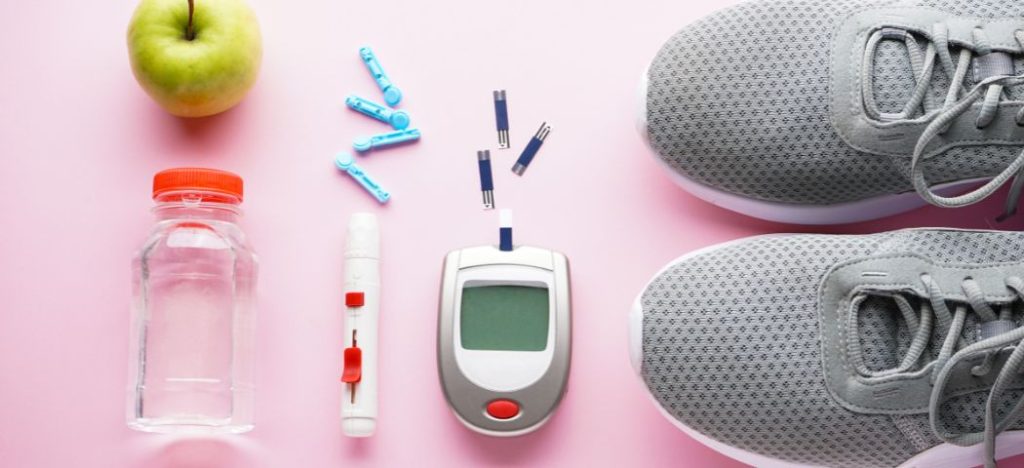
Diabetes is a chronic condition characterized by elevated blood sugar levels, and it is also one of the medical conditions that make it hard to lose weight. Let’s find out in this article how diabetes can cause weight gain to help you in your wellness journey!
The Link Between Diabetes and Weight Gain
1. Insulin Resistance and Weight Gain
Insulin is a hormone that helps regulate blood sugar levels. People with type 2 diabetes have insulin resistance which means their body’s cells do not respond effectively to insulin. To balance, the pancreas produces more insulin which leads to higher insulin levels in the blood.
Impact on Weight: High levels of insulin can boost fat storage, especially around the abdomen which leads to weight gain. This is because insulin encourages the body to store excess glucose as fat.
2. Medications and Weight Gain
There are certain medications for diabetes that can cause weight gain such as insulin therapy and some oral hypoglycemic agents.
Insulin Therapy: While insulin is essential for controlling blood sugar levels, it can also cause weight gain. Insulin boosts the storage of glucose as fat which means the better control of blood sugar, the more glucose is available to be stored.
Sulfonylureas: These oral medications stimulate the pancreas to produce more insulin and just like insulin therapy, this can cause weight gain due to increased insulin levels.
3. Hypoglycemia and Overeating
People with diabetes often have episodes of hypoglycemia or low blood sugar. To treat hypoglycemia, consuming sugary foods or drinks is recommended. However, overconsuming these sugary foods can potentially lead to an increase in calorie intake.
Impact on Weight: Frequent consumption of high-calorie foods to manage hypoglycemia can contribute to weight gain over time. Remember, take everything in moderation!
4. Metabolic Changes
Diabetes can alter the body’s metabolism which affects how the body processes and stores energy. This can result in changes in fat distribution and can potentially make you gain weight.
Impact on Weight: Even with dietary measures, it may be hard to lose weight due to metabolic changes.
Managing Diabetes and Weight Gain
While this article focuses on how diabetes can cause weight gain, managing weight is an important factor in diabetes care. Maintaining a healthy weight helps control blood sugar levels and reduces the risk of complications.
Understanding the factors that can cause weight gain is important in every wellness journey. By identifying these factors, you can take proactive steps to manage your weight and enhance your overall health. Marie France experts can help tailor a holistic approach to your weight management. Book a consultation today!