Maintaining your health and enhancing your results from exercise isn’t just about the time you spend in the gym. What you do before and after hitting the gym also plays an important role in staying healthy and getting the best results. Here are some pre-workout and post-workout tips to keep in mind!
Pre-Workout Preparation: What to Do Before Going to the Gym
1. Hydrate Properly
Importance: Staying hydrated is important for your best workout performance and preventing dehydration.
Tip: Drink at least 16-20 ounces of water 1-2 hours before your workout.
2. Eat a Balanced Snack
Importance: Eating food with the right nutrients helps maintain energy levels and improve your workout performance.
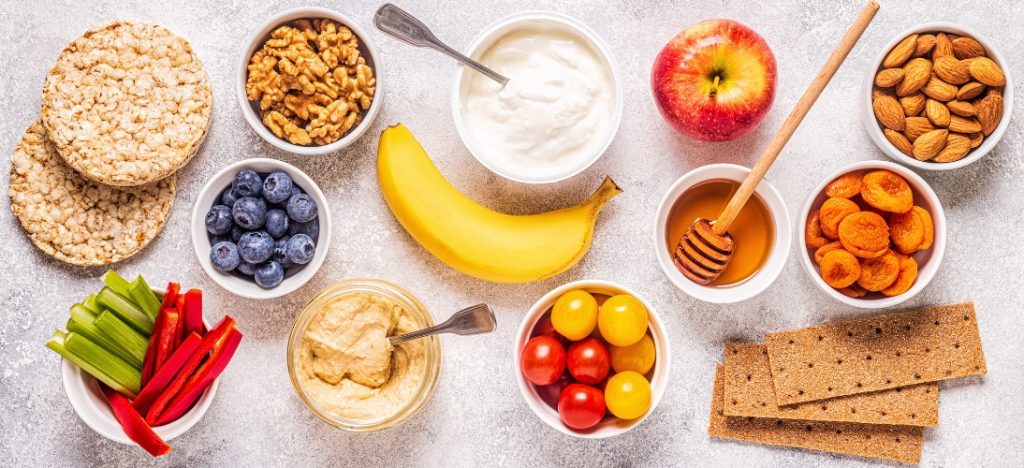
Tip: Consume a small meal or snack rich in carbohydrates and protein about 30-60 minutes before exercising, such as a banana with almond butter or a small bowl of oatmeal with fruit.
3. Warm-Up Exercises
Importance: Warming up before exercise increases blood flow to muscles, enhances flexibility, and reduces the risk of injury.
Tip: Perform dynamic stretches and light cardio for 5-10 minutes such as jogging in place, jumping jacks, or arm circles.
4. Plan Your Workout
Importance: Having a clear workout plan can help you stay focused and make the most of your time at the gym.
Tip: Plan your exercises, sets, and reps youÔÇÖll be doing beforehand. Plus, working with a trainer is also recommended to create a structured routine!
5. Wear the Right Gear
Importance: Wearing proper workout attire and footwear can prevent injuries and ensure comfort.
Tip: Choose moisture-wicking fabrics and supportive shoes appropriate for your type of exercise.
Post-Workout Preparation: What to Do After the Gym
1. Cool Down and Stretch
Importance: When you cool down, your heart rate gradually lowers. Stretching also helps in reducing muscle stiffness and soreness.
Tip: Spend 5-10 minutes doing light cardio, followed by static stretching. Focus on the major muscle groups you worked on during your workout session!
2. Rehydrate
Importance: Replenishing lost fluids is important for your recovery!
Tip: Drink at least 16-24 ounces of water or a sports drink to replace electrolytes after your workout.
3. Have a Proper Post-Workout Meal
Importance: Eat the right nutrients after a workout for faster muscle recovery and energy replenishment.
Tip: Have a balanced meal or snack containing protein and carbohydrates 30-60 minutes after your workout. A protein smoothie with fruits or a grilled chicken salad is an excellent post-workout meal!
4. Listen to Your Body
Importance: Pay attention to how your body feels after a workout to prevent fatigue and injuries.
Tip: Rest if you feel excessive fatigue or pain and schedule rest days into your routine to allow your body to recover.
5. Track Your Progress
Importance: Keeping a record of your workouts can help you stay motivated and monitor your progress!
Tip: Use a fitness app or journal to log your exercises, weights, sets, and reps and note any changes in how you feel or perform.
Proper pre-workout and post-workout preparation are essential for staying healthy and boosting the benefits of your exercise routine. By incorporating these tips, you can enhance your performance and reduce the risk of injury on your wellness journey.
Making these habits a part of your fitness routine is important to achieve your health and fitness goals effectively, especially with expert guidance!
At Marie France, our specialists offer a personalized holistic approach tailored For Every Body. Book your consultation with us today!
Hormonal Weight in Women vs Men
Hormonal imbalance effects vastly differ for women and men, so how do they affect weight management for each sex?
Men and women experience distinct hormonal fluctuations and imbalances. Perhaps youÔÇÖve noticed that one sex loses weight at a slower rate or tends to store more fat in specific body parts compared to the other.
Hormonal Imbalances in Men
Men’s hormonal profiles are predominantly influenced by testosterone, the primary male sex hormone. However, imbalances in testosterone levels, as well as other hormones, can occur due to various factors such as:
Low Testosterone Levels: This can lead to decreased muscle mass, increased body fat, reduced energy levels, and diminished libido, thus contributing to weight gain, particularly around the abdomen. Building and maintaining muscle mass can become challenging.
Elevated Estrogen Levels: This imbalance can occur due to factors such as excess body fat, exposure to environmental estrogen-mimicking compounds, or certain medications. Elevated estrogen levels in men can lead to gynecomastia (enlarged breast tissue) and abdominal fat accumulation.
Cortisol Imbalance: Chronic stress can disrupt cortisol levels in men, leading to increased abdominal fat deposition, insulin resistance, and metabolic dysfunction.
Hormonal Imbalances in Women
Women’s hormonal profiles are more complex, characterized by cyclical fluctuations throughout the menstrual cycle and significant hormonal shifts during life stages such as puberty, pregnancy, and menopause. Common hormonal imbalances in women include:
Estrogen Dominance: This occurs when there is an imbalance between estrogen and progesterone levels, often characterized by heavy or irregular periods, breast tenderness, and weight gain, particularly around the hips and thighs.
Polycystic Ovary Syndrome (PCOS): Symptoms may include irregular menstrual cycles, ovarian cysts, acne, and weight gain, particularly around the abdomen.
Thyroid Dysfunction: Hypothyroidism (underactive thyroid) or hyperthyroidism (overactive thyroid) can disrupt metabolism and lead to weight gain or weight loss, respectively.
If you suspect that youÔÇÖre experiencing one or two of these imbalances, itÔÇÖs important to consult with your doctor for a proper diagnosis and treatment plan.
If you are struggling with hormonal weight management, know that our experts at Marie France understand the complexities of hormonal imbalance that might affect your weight loss efforts. Contact us today to learn more about our personalized weight loss programs and start your journey towards a healthier, happier you!
Monitoring Stress Levels: Key to Successful Weight Management
Stress has now become an inevitable part of our daily lives. From managing work deadlines to balancing personal responsibilities, stress can surely affect our health and wellness. Many people fail to recognize that stress levels can also affect weight management in numerous ways.
In this article, we’ll discuss the importance of monitoring and managing stress levels for successful weight management, and how stress management techniques can help us achieve our health goals.
Understanding Stress and Its Effects on Weight
Stress is the body’s natural response to perceived threats. When we experience stress, our bodies release hormones like cortisol, which can increase appetite and lead to stress eating. Stress eating disrupts weight management efforts and can contribute to unwanted weight gain over time.
Recognizing the Signs of Stress Eating
Stress eating or emotional eating involves seeking comfort or distraction from food in response to stressors. Some common signs of stress eating are sudden cravings for specific foods, and eating past the point of fullness. When we recognize these signs, we can begin to identify our triggers and develop healthier coping mechanisms.
The Role of Stress Management Techniques
Effective stress management is important for successful weight management. By learning to manage stress in healthy ways, we can reduce stress eating and lessen the negative effects of stress on our overall health.
Here are some stress management techniques that we can incorporate in our daily routine:
Mindfulness Meditation: Practicing mindfulness meditation requires focusing attention on the present moment without judgment. This can help reduce stress levels and promote a sense of calm and relaxation.
Deep Breathing Exercises: Deep breathing exercises can help activate the body’s relaxation response and counteract the physiological effects of stress.
Regular Exercise: Engaging in regular physical activity is an effective way to reduce stress levels and improve mood. When we exercise, our bodies release endorphins that act as natural stress relievers.
Healthy Coping Strategies: Explore alternative coping strategies such as journaling, talking to a friend, or engaging in a creative hobby.
Time Management: Effective time management can help reduce feelings of overwhelm and stress. Prioritize tasks and schedule regular breaks throughout the day to recharge.
Quality Sleep: Get enough sleep every night! Lack of sleep can increase stress levels, making it harder to cope with daily tasks.
Incorporating Stress Monitoring into Weight Management Plans
It is important to incorporate stress monitoring in your weight management plan. This includes regular assessment of stress levels, identifying triggers, and developing strategies to manage stress effectively. Keeping a stress journal to track stressors, emotions, and coping strategies, and adjusting different approaches as needed based on observations might help!
Take the Next Step to Holistic Wellness Journey
We often set aside that monitoring and maintaining stress levels are also important factors in successful weight management. Now that we recognize the impact of stress on eating behaviors and overall health, we can take steps to manage stress effectively, such as incorporating stress management techniques and prioritizing self-care.
Book a consultationwith us today and start a holistic and sustainable weight loss journey with Marie France!
Weight Loss That Sticks: Your Comprehensive Guide
Starting your weight loss journey is often a mix of both excitement and determination. But the real challenge lies in sustaining those results long term!
Achieving sustainable weight loss requires a holistic approach that goes beyond quick fixes and crash diets. In this article, letÔÇÖs explore how we can achieve and maintain long-term weight loss goals, focusing on sustainable practices, healthy lifestyle habits, and practical tips.
What Are Long-Term Weight Loss Goals?
Long-term weight loss goals are not just about shedding pounds quicklyÔÇöthey’re about making lasting changes to your lifestyle and habits to achieve and maintain a healthy weight over time.
Unlike temporary solutions, long-term weight loss focuses on sustainable practices that promote overall health and well-being.
We Can Achieve Long-Term Weight Loss by:
Setting Realistic Goals: Start by setting achievable weight loss goals based on your individual needs and circumstances. Aim for gradual weight loss of 1-2 pounds per week, which is considered safe and sustainable in the long term.
Focusing on a Balanced Diet: Adopt a balanced diet that includes a variety of nutrient-dense foods such as fruits, vegetables, whole grains, lean proteins, and healthy fats. Avoid restrictive diets that eliminate entire food groups and instead focus on portion control and moderation.
Incorporating Physical Activity: Regular physical activity is essential for achieving and maintaining weight loss. Aim for at least 150 minutes of moderate-intensity exercise or 75 minutes of vigorous-intensity exercise per week, along with strength training exercises to build lean muscle mass.
Practicing Mindful Eating: Pay attention to your body’s hunger and fullness cues and practice mindful eating. Slow down during meals, chew your food thoroughly, and savor each bite to prevent overeating and promote better digestion.
Staying Hydrated: Drink plenty of water throughout the day to stay hydrated and support metabolism. Aim for at least 8-10 glasses of water per day, and opt for water-rich foods such as fruits and vegetables to help stay hydrated.
Getting Adequate Sleep: Prioritize quality sleep to support weight loss and overall health. Aim for 7-9 hours of sleep per night, and establish a regular sleep schedule to promote better sleep quality and consistency.
How to Maintain Weight Loss Sustainably:
Monitor Your Progress: Keep track of your weight loss progress using a journal or tracking app. Regularly monitor your weight, measurements, and food intake to stay accountable and identify areas for improvement.
Stay Active: Continue to prioritize regular physical activity even after reaching your weight loss goals. Find activities you enjoy and make exercise a fun part of your daily routine.
Focus on Weight Maintenance: Shift your focus from losing weight to maintaining your current weight once you’ve reached your goals. This may require adjusting your calorie intake and activity level to find a balance that supports weight maintenance.
Be Flexible: Allow yourself flexibility in your eating habits and exercise routine. It’s okay to indulge occasionally or skip a workout now and then, as long as you get back on track and stay committed to your long-term goals.
Build a Support System: Surround yourself with a supportive network of friends, family, or fellow weight loss enthusiasts who can provide encouragement, accountability, and motivation on your journey.
Practice Self-Care: Take care of your mental and emotional well-being by practicing self-care activities such as meditation, relaxation techniques, or hobbies that bring you joy and fulfillment.
Remember that weight loss is not a one-size-fits-all approach, so experiment with different strategies and find what works best for you. With perseverance, determination, and the right support, you can achieve and maintain your long-term weight loss goals minus the feeling of deprivation!
Excited to try a holistic approach to weight loss? Book a consultation with us today!
Is Using Waist Circumference as a Predictor of Visceral Fat Accumulation Effective?
Many of us are familiar with the body mass index (BMI) as a measure of overall body fat content and for assessing health and weight management. However, BMI alone may not provide a complete picture of our health condition, especially regarding fat distribution within our bodies.
Visceral fat, which accumulates around abdominal organs, is linked to health conditions such as heart disease, diabetes, and metabolic syndrome. In this article, we’ll discuss the importance of using waist circumference as an indicator of visceral fat accumulation and its insights into our health condition.
Understanding and Measuring Waist Circumference
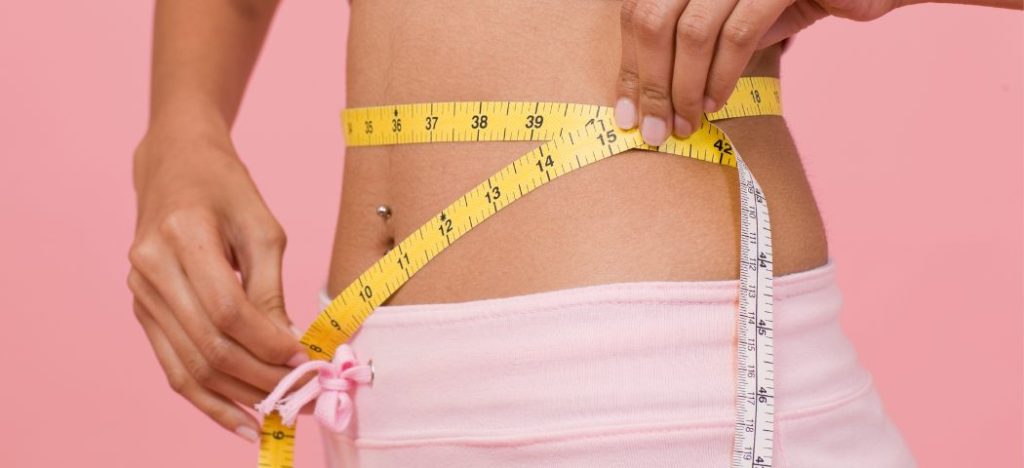
Waist circumference is a simple and effective measure of abdominal obesity and is closely linked to visceral fat accumulation. To measure your waist circumference, use a flexible tape measure around your waist at the level of your belly button. This measurement provides valuable insight into fat distribution in our bodies. A higher waist circumference indicates a greater accumulation of visceral fat.
The Limitations of BMI
While BMI is often used to screen for health and weight status, it also has limitations, such as distinguishing between lean body mass and fat mass. BMI does not take into account the distribution of fat within the body, meaning that even though you have a “normal” BMI, you may still have excess visceral fat and be at risk of health complications.
Waist Circumference and Health Risks
Studies show that waist circumference is a strong predictor of visceral fat accumulation and is closely linked to an increased risk of various health conditions. High waist circumference has been linked to an increased risk of heart disease, type 2 diabetes, stroke, and metabolic syndrome. Additionally, excess visceral fat contributes to insulin resistance, inflammation, and dyslipidemia, further increasing the risk of cardiovascular disease and metabolic disorders.
Waist-to-Hip Ratio and Waist-to-Height Ratio
Other than waist circumference, other measures such as waist-to-hip ratio (WHR) and waist-to-height ratio (WHtR) can also provide valuable insights into an individual’s health condition. WHR compares waist circumference to hip circumference, while WHtR compares waist circumference to height. Both are indicators of abdominal obesity and can help us identify the risk of visceral fat accumulation and related health issues.
Importance of Regular Monitoring
It’s important to keep an eye on waist circumference and other indicators of abdominal obesity to spot any build-up of visceral fat and related health risks! Regular monitoring helps us in the early detection of changes in body composition, giving us the chance to intervene and make lifestyle adjustments to reduce visceral fat and enhance overall health.
How to Interpret Waist Circumference Measurements
Waist circumference measurements can be interpreted based on established guidelines for abdominal obesity. A measurement greater than 35 inches (88 cm) for women and 40 inches (102 cm) for men is considered elevated, indicating increased visceral fat accumulation. However, other factors should also be taken into account, such as age, ethnicity, and overall health condition.
Taking the Next Step
Waist circumference is a useful method for identifying abdominal obesity and predicting visceral fat accumulation to avoid increased health risks! Regular monitoring can help take proactive steps to improve health through lifestyle modifications.
Remember, maintaining a healthy waist circumference is not only about aesthetics but also about reducing the risk of chronic diseases and improving overall well-being.
Talk to a health expert! Book a consultation with Marie France today.
Breaking Free: Overcoming Insulin Resistance and Weight Gain
Inside our bodies, our biochemical processes like insulin play a role in regulating our blood sugar levels and fueling cells with energy. However, when this delicate balance begins to get disrupted, it can trigger metabolic imbalances leading to insulin resistance and weight gain.
At Marie France, we understand how insulin resistance can have an impact on hormonal weight gain and overall well-being. LetÔÇÖs check out its effects on weight management and offer empowering strategies to break free from the cycle!
What is Insulin Resistance and Hormonal Imbalance?
Insulin resistance occurs when our cells become immune to the effects of insulinÔÇöthe hormone responsible for ushering glucose from the bloodstream into cells for energy production. As a result, the pancreas compensates by producing more insulin to overcome this resistance, leading to elevated insulin levels in the bloodstream. Over time, this cycle of insulin overproduction and cellular resistance can unbalance our hormones, contributing to metabolic dysfunction and weight gain.
Effects of Insulin Resistance on Weight Gain
Insulin resistance extends far beyond its impact on blood sugar regulation. Elevated insulin levels not only promote the storage of excess glucose as fat but also inhibit the breakdown of stored fat for energy, making weight loss an uphill battle for individuals with insulin resistance.
Moreover, it also triggers hormonal imbalances, including elevated levels of cortisol (the stress hormone) and disruptions in appetite-regulating hormones such as leptin and ghrelin, further exacerbating weight gain and metabolic dysfunction.
Our Approach at Marie France
At Marie France, we take a comprehensive approach to address weight challenges brought by hormonal imbalances. Our tailored programs are designed to empower you to achieve sustainable weight loss and optimal metabolic health.
Nutritional Interventions: Nutritional interventions play a crucial role in our approach to combating insulin resistance. Our nutritionists craft personalized meal plans that promote and support healthy weight management.
Lifestyle Modifications: Lifestyle modifications are also integral to our approach, as optimizing sleep, managing stress, and engaging in regular physical activity are essential.
Innovative Treatments: Furthermore, our innovative treatments complement our holistic approach. Our advanced body contouring treatments such as Endermologie+ (EDM) and Vara Pulse support your journey towards hormonal optimization and sustainable weight loss.
Contact us today and start your transformative journey towards a healthier and stronger you! Book a consultation today!
Non-Invasive Ways to Tighten Skin: EvolveX, TMP, and TriPollar
Achieving your weight loss goals is a remarkable accomplishment! However, it can sometimes leave you with loose skin, which, although completely normal, may still be uncomfortable for many people. Fortunately, there are non-invasive methods available to help tighten skin after weight loss. In this article, we will explore three advanced skin tightening treatments: EvolveX, Thermo Magnetic Pulse (TMP), and TriPollar!
Understanding the Causes of Saggy Skin
Before diving into the treatments, itÔÇÖs essential to understand why our skin loses elasticity. When you lose a significant amount of weight, your skin, which has been stretched over a larger body for an extended period, can lose its elasticity. Factors such as age, genetics, and the speed at which you lost weight can all contribute to the severity of the loose skin. Addressing how to tighten loose skin effectively requires a combination of patience and the right treatments.
EvolveX is a cutting-edge technology that uses bi-polar radio frequency and continuous muscle activation to target fat tissue, enhance muscle tone, stimulate collagen production, and tighten the skin.
The EvolveX treatment is particularly effective for those dealing with excess skin after weight loss. It helps to contour and shape the body, giving a more toned and tightened appearance. Sessions are typically painless, and there is no downtime, making it an ideal choice for busy individuals.
TMP, or Thermo Magnetic Pulse, is another innovative skin tightening treatment that uses 4D technology for body sculpting, fat reduction, skin tightening, and cellulite reduction.
One of the significant benefits of TMP is its ability to provide long-lasting results. By enhancing both the skin and the muscles, this treatment addresses saggy skin after weight loss from target areas, ensuring more comprehensive improvements. It is a safe and effective option for those seeking how to tighten loose skin without undergoing surgery.
TriPollar: Advanced Radiofrequency Technology
TriPollar technology uses the most advanced methods in non-invasive skin tightening treatments. Using focused radiofrequency energy, TriPollar heats the deeper layers of the skin to release fat for easy burning and promotes collagen and elastin production. This leads to a firmer, more youthful appearance.
TriPollar is particularly beneficial for individuals who have experienced significant weight loss and are struggling with loose skin. Like the other treatments mentioned, there is no recovery time required, allowing you to return to your daily activities immediately.
Choosing the Right Treatment for You
When considering the right treatment, itÔÇÖs important (and required) to consult first with our team of experts who can guide you toward the best treatment option for your specific needs. Each of these non-invasive treatmentsÔÇöEvolveX, TMP, and TriPollarÔÇöoffers unique benefits and can be tailored to address your individual concerns.
Supporting Your Skin Naturally
In addition to these treatments, there are several natural ways to support your skinÔÇÖs health and elasticity:
Maintaining a balanced diet rich in vitamins and minerals
Staying hydrated
Engaging in regular exercise
These efforts can all contribute to healthier, more resilient skin. Adopting these habits alongside professional treatments can enhance your results and help you maintain them over time.
Interested in learning more about our skin treatments? Message us for a consultation!
Transform Your Body: Non-Invasive Treatments to Tighten Loose Skin and Build Muscle
Is it possible to achieve a toned physique with firm and tight skin without extensive workouts? There are non-invasive fat removal treatments like Tesla Body Former and TriPollar that can reduce body fat and tighten loose skin through advanced technology. These treatments can also help you sculpt your body without traditional and high-intensity exercise routines.
Building Muscle and Tightening Skin Without Exercise
1. Tesla Body Former: Functional Magnetic Stimulation Technology
Tesla Body Former uses Functional Magnetic Stimulation (FMS) technology to trigger muscle contractions, replicating the benefits of extensive workouts minus physical exertion. The treatment is designed to target specific muscle groups, promoting muscle definition and skin tightening.
How Tesla Body Former Works:
Muscle Activation: Electromagnetic pulses penetrate deeply into muscle tissues, triggering muscle contractions that strengthen and tone muscles.
Improved Muscle Tone: This treatment helps improve muscle definition and strength, leading to a more sculpted appearance.
Skin Tightening: This treatment stimulates collagen production, tightening loose skin and improving skin elasticity.
Tesla Body Former is non-invasive, painless, and requires no recovery time. It is suitable for everyone seeking to improve muscle tone and tighten skin without exercise!
2. TriPollar: Radiofrequency Skin Tightening
TriPollar is a non-invasive treatment that helps with fat reduction, skin tightening, and muscle toning. This treatment is powered by advanced radiofrequency technology to safely heat the skin’s deeper layers. TriPollar also stimulates collagen and elastin production, which improves skin elasticity!
Benefits of TriPollar:
Skin Firming: It targets loose skin and reduces wrinkles for a smoother texture and tighter appearance.
Collagen and Elastin Stimulation: It boosts natural collagen and elastin production, which is essential for maintaining skin elasticity, firmness, and youthfulness.
Safe & Non-Invasive: TriPollar is safe, non-invasive, and provides visible results with minimal discomfort and downtime.
TriPollar treatment effectively targets various body areas, such as the abdomen, thighs, and arms, providing lasting enhancements in skin tone and texture!
Enhancing Results with Non-Invasive Technologies
For best results, you should also incorporate these healthy habits alongside your Tesla Body Former and TriPollar treatments:
A healthy & balanced diet is always the key! Consume a diet rich in lean proteins, fruits, and vegetables to support muscle growth and skin health.
Stay hydrated! Drink 8-10 glasses of water (or more!) daily to keep your skin hydrated and improve elasticity.
Regular maintenance is a must! Book periodic maintenance sessions to sustain results and ensure long-term benefits from these non-invasive treatments.
To answer the question above… Yes, it is possible to achieve a toned physique with firm and tight skin without extensive workouts! With its Functional Magnetic Stimulation technology and Radiofrequency Technology, these advanced treatments can help you achieve a sculpted physique and improve skin firmness. And when combined with a healthy and holistic lifestyle, embracing these innovative options can transform your body and help you feel confident.
Book a consultation with Marie France to explore our treatments and holistic weight loss management plans!
Managing food cravings can sometimes feel like saying no to the things you love! It can be one of the toughest challenges when it comes to maintaining a healthy diet. But, there are always healthier options whenever you crave something sweet or other calorie-laden snacks that you can also enjoy while supporting your healthy weight management.
Take a look at these delicious options you can swap them for!
1. Fresh Fruits
When you’re craving something sweet, fresh fruit is an ideal choice. Fruits like apples, berries, and oranges are naturally sweet and packed with essential vitamins, minerals, and fiber.
Preparation: Combine the mixed berries and apple slices in a bowl. Drizzle with lemon juice and toss with mint leaves for a refreshing and satisfying fruit salad.
2. Greek Yogurt with Honey
Greek yogurt is high in protein and calcium, making it a great option for weight loss. Adding a drizzle of honey provides a touch of sweetness that can help curb your cravings for sugary snacks.
Suggested Recipe: Greek Yogurt Parfait
Ingredients:
Greek yogurt
Honey
Fresh fruit (such as berries or sliced bananas)
Granola
Preparation: Layer Greek yogurt with honey, fresh fruit, and a sprinkle of granola in a glass or bowl for a delightful and nutritious parfait.
3. Dark Chocolate
If you’re longing for chocolate, opt for dark chocolate with a high cocoa content (70% or more). Dark chocolate contains less sugar than milk chocolate and is rich in antioxidants.
Suggested Recipe: Dark Chocolate-Dipped Fruit
Ingredients:
Dark chocolate (70% cocoa or higher)
Strawberries
Apple slices
Banana slices
Preparation: Melt the dark chocolate and dip the fruit pieces into it. Allow the chocolate to harden before enjoying this healthy and satisfying dessert.
4. Nuts and Seeds
Nuts and seeds are excellent sources of healthy fats, protein, and fiber, making them a great choice for weight loss.
Suggested Recipe: Homemade Trail Mix
Ingredients:
Almonds
Walnuts
Sunflower seeds
Pumpkin seeds
A few chocolate chips
Preparation: Combine all ingredients in a bowl and mix well. Portion out into small containers for a perfect on-the-go snack.
5. Air-Popped Popcorn
For those who crave something salty and crunchy, air-popped popcorn is a fantastic low-calorie option. Popcorn is a whole grain that can be flavored with a variety of seasonings.
Suggested Recipe: Savory Popcorn
Ingredients:
Air-popped popcorn
Nutritional yeast
A light touch of sea salt
Garlic powder
Preparation: Air-pop the popcorn and sprinkle with nutritional yeast, sea salt, and garlic powder for a savory and satisfying snack.
6. Smoothies
Smoothies made with fresh fruits, vegetables, and a protein source like Greek yogurt or protein powder can be a nutritious way to satisfy sweet cravings.
Suggested Recipe: Green Berry Smoothie
Ingredients:
Spinach
Frozen berries (strawberries, blueberries)
Banana
Scoop of protein powder
Preparation: Blend the spinach, frozen berries, banana, and protein powder with water or almond milk until smooth for a quick and nutritious smoothie.
7. Hummus with Vegetables
If you’re craving something savory, hummus with vegetable sticks is a great alternative to chips and dip. Hummus is made from chickpeas, which are high in protein and fiber, while vegetables like carrots, cucumbers, and bell peppers add a satisfying crunch and additional nutrients.
Suggested Recipe: Hummus and Veggie Platter
Ingredients:
Hummus
Carrot sticks
Cucumber slices
Bell pepper strips
Cherry tomatoes
Preparation: Arrange the vegetables on a platter and serve with a bowl of hummus for a healthy and filling snack.
Use these food recipes to satisfy cravings while staying on track with your weight loss goals. And when you want to amp up your body goals, ask our expert nutritionists for the right nutrition options and our doctors for the right treatments for your body goals. Message us to book a consultation today!
Weight Loss Diet for Meat Lovers: Embracing the Paleo Approach
If you’re a meat lover trying to manage your weight while enjoying your favorite foods, the Paleo diet may be for you. This diet focuses on consuming whole, unprocessed foods that mimic those of our ancestors from the Paleolithic era. Here’s a list of foods that align with the Paleo diet principles and may support sustainable weight loss for meat enthusiasts.
Benefits: Fruits provide natural sweetness and essential nutrients without added sugars and processed ingredients.
6. Nuts and Seeds
Options: Almonds, walnuts, chia seeds, flaxseeds.
Benefits: Nuts and seeds are high in healthy fats, fiber, and protein, which can help you curb cravings and give you energy throughout the day.
7. Healthy Fats
Options: Avocado, olive oil, coconut oil.
Benefits: These provide essential fatty acids, which can help you feel full and satisfied after meals.
Tips for a Successful Paleo Diet
Eat Whole Foods: Choose unprocessed foods and avoid additives, preservatives, and refined sugars.
Stay Hydrated: Drink plenty of water throughout the day to support metabolism and overall health.
Moderation with Fruits: While fruits are Paleo-friendly, be mindful of portion sizes, especially if weight loss is your goal!
The Paleo diet offers a practical and enjoyable approach for meat lovers aiming to lose weight while enjoying a variety of nutrient-dense foods. By focusing on whole and unprocessed foods and incorporating lean meats, fatty fish, fruits, and vegetables, you can support long-term and sustainable weight loss.
Discover if the Paleo diet is right for you. Book a consultation with Marie France for a holistic approach to weight loss!