Maximizing Your Time: Master The Art and Science of Balancing Work, Health, and Self-Care
In our current fast-paced world, juggling work, health, and self-care is a never-ending balancing act! DonÔÇÖt get us wrong, we all do this and thatÔÇÖs totally fine. And while weÔÇÖre being pushed and pulled into the void of prioritizing them at the same time, we often neglect our health and wellness in the process.
ThatÔÇÖs why getting a hold on the balance of things is one way to achieve a happier and healthier you. Read on how we can balance and lead a well-rounded life with no breakdowns in-between!
Learning The Art Of Balancing
Remember how weÔÇÖre always taught to balance money, work, and life? ItÔÇÖs because you get more optimized results when you balance things! As a result, weÔÇÖre happier and productive leading to a more fulfilling and satisfying life!
Benefits of Weight Loss and a Healthy Lifestyle
Improved Physical Health
Maintaining a healthy weight and engaging in regular exercise can also improve cardiovascular health, increase energy levels, and enhance overall vitality.
Enhanced Mental Well-being
Exercise releases endorphins, chemicals in the brain that act as natural mood lifters, while a nutritious diet can provide essential nutrients that support brain function and emotional well-being.
Increased Self-Confidence
Feeling good about our physical appearance and overall health can translate into greater confidence in other areas of our lives, leading to improved relationships, career success, and personal fulfillment.
Create A Self-Care Plan Just For You
Identify Your Needs
Take some time to reflect on your needs and priorities in terms of self-care. What activities make you feel rejuvenated, relaxed, and fulfilled? Find the right hobby or activities to nourish your mind, body, and soul.
Schedule Self-Care Time
Just like any other commitment you have, set a dedicated time to unwind! Whether it’s a morning meditation session, an evening walk, or a weekend getaway, prioritize self-care and make it a regular part of your routine.
Practice Mindfulness
Be present and fully engaged in your self-care activities. Allow yourself to experience them fully without distractions or judgments. ThereÔÇÖs nothing wrong with putting yourself first!
Live life better when you make self-care a priority! Nurture your physical, mental, and emotional well-being to live a life thatÔÇÖs meaningful, satisfying, and sustainable in the long term.
Find your balance and do the things you love with our Marie France treatments! Book for a consultation!
Redefining Menopause: Weight Solutions for the Modern Woman
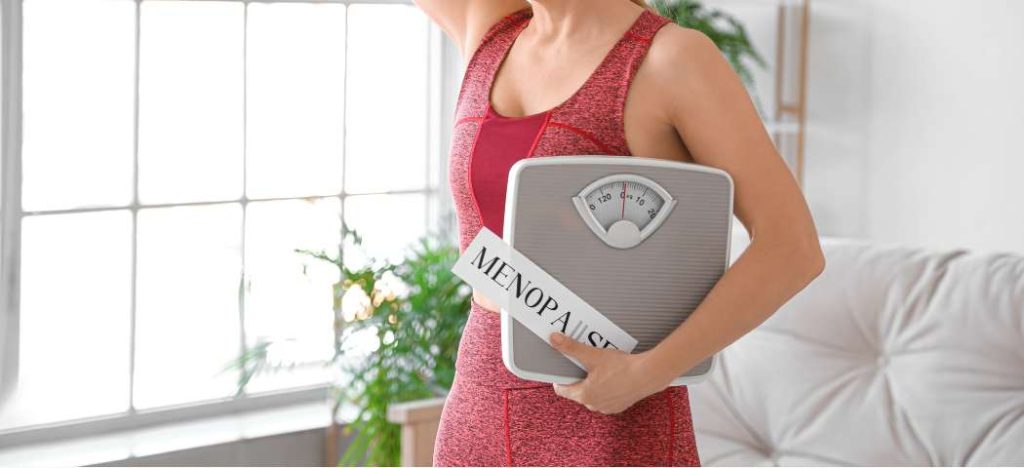
Have you noticed how menopause weight gain has always been feared? ItÔÇÖs one of the many challenges faced by women, and it can feel a bit scary especially when it means having to say goodbye to your old body. But donÔÇÖt worry! In this day and age, we have so many options and choices to live healthierÔÇöeven dealing with menopause!
Understanding Menopause Weight Gain
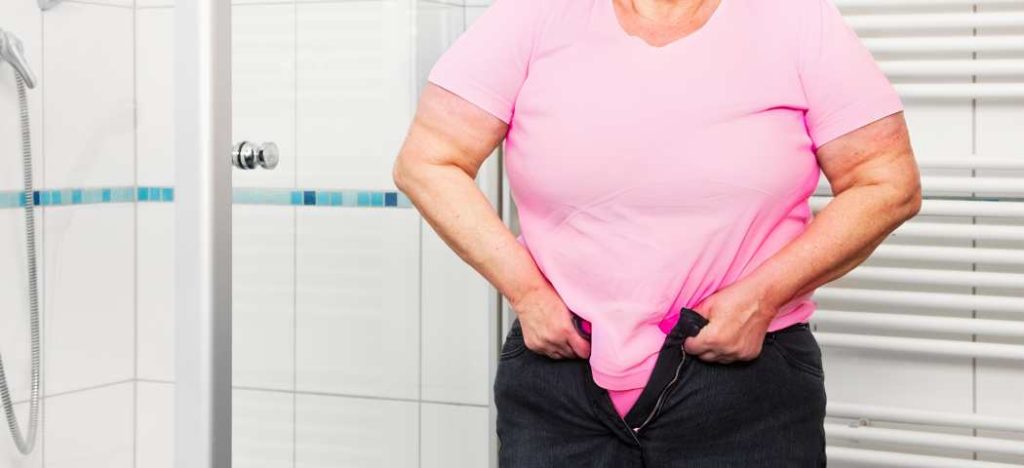
As women go through menopause, hormonal changes can lead to weight gain, particularly around the abdomen. Due to the hormonal influence of decreasing estrogen levels, it affects your metabolism and stores fat in the body which can be frustrating for women experiencing menopause.
Learn How To Manage Menopause Weight Gain
Healthy Eating Habits:
Balanced Diet: Focus on a well-rounded diet rich in fruits, vegetables, whole grains, lean proteins, and healthy fats.
Portion Control: Pay attention to portion sizes to avoid overeating, especially calorie-dense foods.
Mindful Eating: Slow down during meals, savoring each bite, and listen to your body’s hunger and fullness cues.
Regular Physical Activity:
Aerobic Exercise: Take a walk, cycle, dance, or swim for at least 150 minutes per week.
Strength Training: Incorporate muscle-strengthening exercises, such as weightlifting or bodyweight exercises, on two or more days per week.
Flexibility and Balance: Include activities like yoga or tai chi to improve flexibility, balance, and overall well-being.
Hormone Replacement Therapy (HRT):
Benefits: HRT can help alleviate menopause symptoms, including weight gain, by supplementing estrogen and progesterone.
Considerations: Discuss the potential benefits and risks of HRT with a healthcare provider, as it may not be suitable for everyone.
Stress Management Techniques:
Mindfulness and Meditation: Practices like meditation, deep breathing, and mindfulness can reduce stress levels, which may contribute to weight gain.
Yoga and Tai Chi: These gentle exercises not only promote physical well-being but also help in managing stress.
Professional Support:
Nutritionist or Dietitian: Consulting with a nutrition professional can provide personalized guidance on meal planning, portion control, and dietary changes.
Weight Loss Programs: Joining a reputable weight loss program, such as those offered by clinics like Marie France, can provide structured support and accountability.
Lifestyle Adjustments:
Adequate Sleep: Aim for 7-9 hours of quality sleep per night to support metabolism and overall well-being.
Hydration: Stay hydrated with water throughout the day, as thirst can sometimes be mistaken for hunger.
Limit Alcohol and Sugary Drinks: These beverages can add empty calories and contribute to weight gain.
How to Go Down the Path to Menopausal Wellness?
Having the means to explore different treatment options and make informed choices, women can now take proactive steps toward managing their weight and overall well-being during menopause.
Remember, what works best for one person may not be the ideal solution for another, so it’s essential to find the approach that suits you best!
ItÔÇÖs also important to consult with healthcare professionals and make the apt lifestyle choices to holistically manage menopause weight gain.
Interested to learn more about your body journey? Book a consultation here at Marie France!
When Does Menopause Weight Gain Go Away?
For women facing menopause, two big questions always arise: when does this weight gain begin to subside? And when do hormonal imbalance effects finally wear off?
According to different studies, youÔÇÖre likely to gain pounds faster in a few years leading up to menopause. This phase is called perimenopause, and itÔÇÖs when hormone levels fluctuate, particularly estrogen, which regulates metabolism and fat distribution.
Because of this, you might notice that your stomach area accumulates more fat than it did before too.
Hormonal imbalance effects can trigger weight gain, making it a common concern for women during this phase.
When does it stop?
Menopause weight gain is different for each person, but typically, it slows down and stabilizes a few years after menopause.
Technically, menopause is a permanent phase, but the symptoms significantly improve after youÔÇÖve gone through the changes of menopause.
Menopause symptoms last an average of seven years, but the actual duration depends on several lifestyle factors such as smoking, physical activity, and nutrition.
Weight Loss for Menopause
Although managing your weight during menopause is notoriously difficult, itÔÇÖs not impossible. Try following these simple tips for a sustainable weight loss:
Increase physical activity: Join weekly classes or get a gym membership! Aim for at least 150 minutes of moderate-intensity aerobic activity per week.
Eat healthier: Focus on a diet rich in fruits, vegetables, whole grains, lean proteins, and healthy fats. Limit processed foods, sugar, and excessive alcohol consumption.
Portion Control: Be mindful of portion sizes and avoid overeating.
Stress Management: Practice stress-reducing techniques such as yoga, meditation, deep breathing exercises, or mindfulness.
Consult Your Healthcare Provider: Consider discussing your weight loss goals with a healthcare provider or weight loss clinic like Marie France.
Marie France Specializes in Weight Management
Our slimming experts at Marie France know the complexities of weight loss for menopausal women.
Consult with our doctors for a personalized fat loss program that involves non-invasive fat loss treatments and lifestyle changes specifically for this challenging phase called menopause.
Weight Loss Made Fun: Sustainable Ways to Slim Down
Ever been into the void of your weight loss journey where you opt for quick-fix diets or extreme measures that promise quick results? Yet, you always fall short or fail to address the underlying factors of weight gain, causing an unending cycle of unhealthy patterns?
If you can relate to this situation, we have some sustainable weight loss methods that can help you practice healthy weight management in this article!
The Pitfalls of Fad Diets and Quick-Fix Solutions
Fad diets and quick-fix solutions come with a lot of setbacks such as:
Restriction of certain food groups
Severe reduction of calorie intake, leading to nutrient deficiencies, muscle loss, and metabolic slowdown
Additionally, itÔÇÖs unsustainable, making it difficult to maintain weight loss once the diet is discontinued. As a result, individuals may experience weight regain and find themselves trapped in a cycle of yo-yo dieting.
The Role of Sustainable Weight Loss Methods
Sustainable weight loss methods prioritize gradual, sustainable changes to diet and lifestyle that promote long-term success. Rather than focusing on drastic calorie restriction or eliminating entire food groups, these methods emphasize balanced eating, portion control, and regular physical activity.
Maintain Weight Loss Efforts Healthily by
Setting Realistic Goals
Aim for slow, steady progress rather than rapid results, while celebrating small victories along the way.
Monitoring Portion Sizes
Use smaller plates, measure serving sizes, and actively listen to your body’s hunger and fullness cues.
Staying Active
Find physical activities you enjoy and add them or make them a priority in your daily schedule.
Practicing Self-Care
Take care of your mental and emotional well-being by practicing self-care techniques such as mindfulness meditation, deep breathing exercises, and relaxation techniques.
Seeking Support
Surround yourself with a supportive group who can provide encouragement, accountability, and motivation on your journey.
Adopting a sustainable approach to weight loss helps you achieve your goals and lets you enjoy a happier, healthier lifestyle for years to come.
Curious how you can have a holistic lifestyle while youÔÇÖre on your weight loss journey? Book a FREE appointment with us!
Creating a Mom-Friendly Self-Care Plan
Hey moms! HereÔÇÖs a harsh reality: itÔÇÖs hard to feel fabulous when youÔÇÖre stressed. Read this article for some self-care plan examples that are perfect for busy moms.
Being a mom is one of the most rewarding jobs out there, but let’s be realÔÇôit can also be exhausting!
Between chasing after the little ones, juggling household chores, and trying to hold it all together, self-care often gets put on the back burner.
But listen up, mamaÔÇôtaking care of yourself is also important because self-care comes with some pretty amazing benefits:
Reduced stress and burnout
More effective weight management
Boosted mood and increased positivity
More energy to keep up with your busy life
Enhanced patience and presence with your family
Overall improved physical and mental well-being
Examples of Self-Care Plans
By prioritizing self-care, you’re not just taking care of yourselfÔÇôyou’re also showing up as the best version of you for your loved ones. So, let’s dive into some practical self-care tips that even the busiest of moms can incorporate into their routine:
1. Schedule It In
Designate specific times in your calendar for self-care activities, treating them as important appointments.
How to start: Block off 30 minutes to an hour each day or allocate a specific day each week for self-care.
2. Get Moving
Regular physical activity can reduce stress, improve mood, and increase energy levels.
How to start: Go for a brisk walk during your lunch break, do an online yoga class while the kids nap, or have a living room dance party!
3. Practice Mindfulness
Mindfulness and deep breathing exercises can help you stay present and centered amidst the chaos and noise around you.
How to start: Download a mindfulness app like Calm or Headspace, or follow guided meditations on YouTube. Start with just 5-10 minutes per day.
4. Indulge in Pampering
Treating yourself to small luxuries can boost your mood and promote relaxation.
How to start: Draw a warm bath with your favorite bath products, enjoy a special coffee or tea, or read a few chapters of that book you’ve been wanting to dive into.
5. Foster Social Connections
Maintaining relationships and a support system can combat feelings of isolation and loneliness.
How to start: Schedule regular get-togethers with friends, join a local mom’s group, or even start a weekly video call with your bestie.
6. Prioritize Your Self-Care Today
CanÔÇÖt help but feel like youÔÇÖre falling behind on your self-care plans? That’s where our experts come in! We’re dedicated to helping mamas like you create the best conditions for effective weight loss.
Book a consultationwith us, and let’s explore ways to nurture your mind, body, and soul that will help you lose stubborn body fat. We’ll equip you with the treatments and support you need to thrive.
Choose to be the healthiest version of yourself for you and your family. Book a consultation today!
The Link Between Hormonal Imbalance and Weight Gain: Causes and Effects
Hormonal imbalances can lead to weight gain due to factors like increased appetite, slowed metabolism, and fat storage. Achieve sustainable weight loss by better understanding what youÔÇÖre dealing with.
You already know that hormonal imbalance can slow your weight loss efforts, but do you know how? If not, donÔÇÖt worry, as we’re here to help you understand the link between hormonal imbalance and weight gain, so you can take control and finally reach your goals!
What’s the Deal with Hormones and Weight?
Hormones are chemical messengers that regulate various bodily functions, including appetite, metabolism, and fat storage.
When these hormones are out of whack, it can lead to effects that make losing weight a real challenge. Here’s how hormonal imbalances can contribute to weight gain:
Increased appetite and cravings, often for high-calorie, high-carb foods
Slowed metabolism, making it harder to burn calories effectively
Increased fat storage, particularly around the abdomen and waist area
Disrupted sleep patterns, which can impact hunger hormones and metabolism
Mood changes and emotional eating tendencies
Common Culprits of Hormonal Imbalance
Several factors can throw your hormones out of balance, including:
Stress (hello, cortisol!)
Thyroid disorders
Polycystic ovarian syndrome (PCOS)
Menopause and andropause
Certain medications
Poor diet and lifestyle choices
Tackling Hormonal Weight Gain
While hormonal imbalances can make weight loss more challenging, it’s not impossible. Here are some actionable strategies to help get your hormones back on track:
Manage stress through mindfulness, exercise, and self-care.
Eat a balanced diet rich in whole foods and fiber.
Get enough quality sleep and practice good sleep hygiene.
Incorporate strength training to build muscle and boost metabolism.
Consider supplements or medications (under medical guidance).
Take Control with Marie France
At Marie France, our team of experts specializes in helping individuals achieve their weight loss goals through a holistic approach that addresses hormonal imbalances.
Book a consultationtoday, and let us create a personalized plan that combines dietary adjustments, lifestyle modifications, and targeted treatments to balance your hormones and kickstart your weight loss journey. Bid goodbye to hormonal hurdles and say hello to a happier, healthier you!
Cracking The Code: Hormones, Metabolism, and Weight
Hormonal imbalances play a big role in your weight management journey, thatÔÇÖs why itÔÇÖs important to address them as early as possible.
Understanding Hormonal Imbalance
Hormonal imbalance occurs when there is an excess or deficiency of certain hormones in the body, disrupting the delicate balance of the whole physiological processes. While hormones such as insulin, cortisol, thyroid hormones, and sex hormones all play a role in metabolism and weight regulation, imbalances in these hormones can lead to metabolic dysfunction and weight gain.
Hormonal Weight Gain and Metabolism
One of the most common effects of hormonal imbalance on metabolism is weight gain. Hormonal fluctuations can disrupt the body’s ability to regulate appetite, energy expenditure, and fat metabolism, leading to increased fat storage and weight gain, particularly in the abdominal region.
Menopause Weight Gain
Menopause is a natural stage of life for women that is characterized by hormonal changes, including a decline in estrogen levels. This hormonal shift is often accompanied by changes in metabolism and body composition, with many women experiencing an increase in abdominal fat and a decrease in lean muscle mass. These changes can contribute to menopause weight gain and an increased risk of metabolic disorders such as insulin resistance and cardiovascular disease.
Polycystic Ovary Syndrome (PCOS)
PCOS is a hormonal disorder that affects women of reproductive age and is characterized by hormonal imbalances, insulin resistance, and ovarian cysts.
Women with PCOS often experience symptoms such as:
Irregular menstrual cycles
Excessive hair growth
Severe acne
Weight gain particularly around the abdomen
Hormonal imbalances associated with PCOS, including elevated levels of androgens and insulin, can disrupt metabolism and lead to weight gain and difficulty losing weight.
Signs and Symptoms of Hormonal Imbalance
Recognizing the signs and symptoms of hormonal imbalance is essential for early detection and intervention.
Common symptoms include:
Unexplained weight gain or difficulty losing weight
Fatigue
Mood swings
Irregular menstrual cycles
Hair loss or excessive hair growth
Changes in libido
If you experience any of these symptoms, consult with a healthcare professional for proper evaluation and treatment.
Manage Hormonal Imbalance for Weight Management
By:
Eating a Balanced Diet: Focus on consuming a balanced diet rich in fruits, vegetables, whole grains, lean proteins, and healthy fats to support hormone balance and metabolism.
Managing Stress: Incorporate stress-reduction techniques such as mindfulness meditation, deep breathing exercises, and regular physical activity into your routine.
Staying Active: Regular physical activity is essential for supporting metabolism and hormone balance. Aim for at least 30 minutes of moderate-intensity exercise most days of the week, incorporating a mix of cardiovascular exercise, strength training, and flexibility exercises.
Seeking Professional Guidance: Consult with a healthcare professional, such as a doctor or endocrinologist, for proper evaluation and treatment.
Hormonal imbalance can have drastic effects on metabolism and weight management, contributing to weight gain and metabolic dysfunction. Conditions such as menopause weight gain and PCOS are closely linked to hormonal fluctuations and require specialized treatment and management strategies. By understanding the effects of hormonal imbalance on metabolism and taking steps to support hormone balance through lifestyle modifications and professional guidance, individuals like YOU can improve their overall health and well-being.
YouÔÇÖre not alone in this journey! Message Marie France today and weÔÇÖll help you address these issues for a healthier you!
Bye-Bye Belly Bulge: Low-Impact Exercises for Menopausal Weight Loss
Low-impact exercises like walking, swimming, and yoga can help manage menopausal weight gain by boosting metabolism, reducing stress, and improving overall fitness.
Ah, menopauseÔÇôthe delightful but challenging time when our bodies seem to have a mind of their own. For many women, one of the biggest hurdles is unwanted weight gain, particularly around the midsection.
The good news is that adding regular exercise to your routine can make a positive difference.
Low-impact exercises, in particular, offer a gentle yet effective way to combat menopausal weight gain while supporting overall health and well-being.
Understanding the Benefits of Low-Impact Exercise
Before getting into specific exercises, let’s highlight why low-impact workouts are beneficial for menopausal women:
Joint-Friendly. Low-impact exercises reduce the risk of injury and discomfortÔÇöparticularly important for women experiencing joint stiffness or arthritis during menopause.
Heart Health. Improve your heart function and blood pressure without putting excessive stress on the heart and blood vessels.
Weight Management. These exercises help burn calories and fat, reducing the risk of abdominal fat gain associated with menopause.
Recommended Low-Impact Exercises
Walking:
Brisk Walks: Take brisk walks outdoors or on a treadmill, aiming for at least 30 minutes most days of the week.
Incorporate Nature: Walking in parks or natural trails can enhance the experience, providing a refreshing change of scenery.
Swimming and Water Aerobics:
Aquatic Benefits: Swimming laps or participating in water aerobics classes offers a full-body workout with minimal impact on joints.
Cooling Effect: Especially beneficial for women experiencing hot flashes, as the water provides a refreshing and cool environment.
Cycling:
Stationary Bikes: Utilize stationary bikes at home or in the gym for a low-impact cardiovascular workout.
Outdoor Cycling: Explore scenic routes on a bicycle, enjoying the fresh air while improving leg strength and stamina.
Yoga:
Gentle Flow Yoga: Focus on gentle, flowing sequences that improve flexibility, balance, and core strength.
Restorative Yoga: Embrace poses that promote relaxation and stress reduction, such as supported poses with props.
Pilates:
Core Strengthening: Pilates exercises target the core muscles, aiding in posture improvement and overall body toning.
Mat Workouts: Perform Pilates routines on a mat, incorporating controlled movements and breathing techniques.
Tai Chi:
Mind-Body Harmony: Tai Chi combines gentle, flowing movements with deep breathing and meditation.
Balance Improvement: Enhance balance, coordination, and mental focus through this ancient martial art.
Dancing:
Zumba or Dance Fitness Classes: Join fun and energetic dance classes that incorporate aerobic exercises with lively music.
Ballroom or Social Dancing: Engage in partner dances like salsa, ballroom, or swing, promoting social interaction and physical activity.
Elliptical Training:
Full-Body Workout: Elliptical machines offer a low-impact, full-body cardiovascular workout that engages the arms, legs, and core.
Adjustable Resistance: Tailor the intensity by adjusting the resistance levels to suit your fitness level and goals.
Empowering Menopausal Women Through Exercise
Don’t let menopausal weight gain hold you back any longer! Invest in your health and well-being with the support of our dedicated professionals.
Book a consultation today and letÔÇÖs talk about ways you can reduce your belly fat effectively during menopause.
Stay Healthy Through The Changes: Menopausal Weight Gain Edition
Raging symptoms of menopause such as menopausal weight gain often lead to the question: can it be prevented or avoided before it even happens?
HereÔÇÖs what you need to know.
Why Do I Gain Weight During Menopause?
Menopause weight gain is influenced by various factors, including hormonal changes, metabolic shifts, and lifestyle habits.
Estrogen levels decline during menopause and can lead to hormonal imbalance effects that affect metabolism and fat distribution. Additionally, as we age, changes in metabolism and muscle mass can contribute to hormonal weight gain.
What Can I Do to Curb Down My Weight?
Healthy Eating Habits
Try having a balanced diet rich in fruits, vegetables, whole grains, lean proteins, and healthy fats can support weight management during menopause.
Regular Exercise
Add regular physical activity into your routine as it helps boost metabolism, burn calories, and maintain muscle mass, all of which contribute to a healthy weight.
Stress Management
Learn stress-reducing techniques such as yoga, meditation, and deep breathing exercises to manage stress effectively, women can support their hormonal balance and reduce the risk of weight gain associated with stress.
Get Proper Sleep
Prioritize sleep quality by creating a relaxing bedtime routine and ensuring a comfortable sleep environment, women can promote restful sleep and support a healthy weight.
Regular Healthcare Monitoring
Lastly, regular check-ups with your doctors are important for overall health and early detection of any potential issues. By establishing a relationship with a healthcare provider before menopause, women can receive guidance on preventive measures, lifestyle habits, and potential interventions to maintain a healthy weight.
Facing Menopause with Confidence
By establishing healthy eating habits, regular exercise routines, stress management techniques, and good sleep hygiene practices early on, we can now face menopause with confidence and maintain a healthy weight throughout life.
Interested to learn more? Book a consultation today!
Should You Drink Wine for Weight Loss?
Wine can potentially help with sustainable weight loss, but moderation is key. How does wine help you achieve your weight goals?
Pour yourself a glass of your favorite wine, because guess what? Your weight loss journey just got a whole lot more enjoyable!
Who knew that sipping on a glass of vino could actually nudge you closer to your dream weight? Yup, you heard it right! Recent studies are uncorking some surprising benefits of incorporating wine into your quest for a fitter, healthier you!
So, before you start whining about having to give up your beloved wine, letÔÇÖs toast to the good news: you donÔÇÖt have to bid adieu to this delightful indulgence when youÔÇÖre on a mission to shed those stubborn pounds!
But hold your horses, or should I say, hold your corkscrew, because thereÔÇÖs a catch. Like with everything in life, moderation is key.
The Role of Moderation
Before you uncork that bottle with abandon, take note that enjoying a glass of wine in moderation can be compatible with weight loss goals.
Moderation is key, with guidelines recommending:
up to one drink per day for women
up to two drinks per day for men
Portion size matters, and a standard serving of wine is typically 5 ounces.
Consuming more may lead to excessive calorie consumption, negating any potential benefits, so drink responsibly!
The Health Benefits of Wine
Wine contains a compound called resveratrol, which is found in grape skins. This antioxidant has been linked to several health benefits, including potentially helping with weight loss.
A study has shown that resveratrol can lead to higher energy expenditure, improved insulin sensitivity, and lower body fat.
Furthermore, its properties were found to act as an anticancer agent and antioxidant. It also has anti-aging, anti-frailty, anti-inflammatory, and antiallergic effects.
How It Fits into Weight Loss Strategies:
Here’s how to enjoy wine while still supporting your weight loss goals:
Count Your Calories: Be mindful of the calories in wine and account for them in your overall daily calorie intake.
Tip: Opt for lighter wine varieties like dry whites or reds, which tend to have fewer calories per serving.
Plan Ahead: If you know you’ll be enjoying a glass of wine with dinner, adjust your food choices and portion sizes accordingly to stay within your calorie goals for the day.
Tip: Stick to 5 ounces!
Practice Moderation: Stick to recommended guidelines for alcohol consumption and avoid excessive drinking.
Tip: Try limiting yourself to 2 to 3 glasses of wine per week.
Enjoying a glass of wine can be compatible with weight loss goals when approached with moderation and mindfulness.
At Marie France, we believe in empowering you to make informed choices that support your health and well-being without having to sacrifice the good stuff in life.
Ready to lose weight and be the healthiest version of yourself? Book a consultation to take your weight loss efforts even further!